
The event advocates for the Housing First model, a trauma-informed approach, and the incorporation of lived experience into public policies.
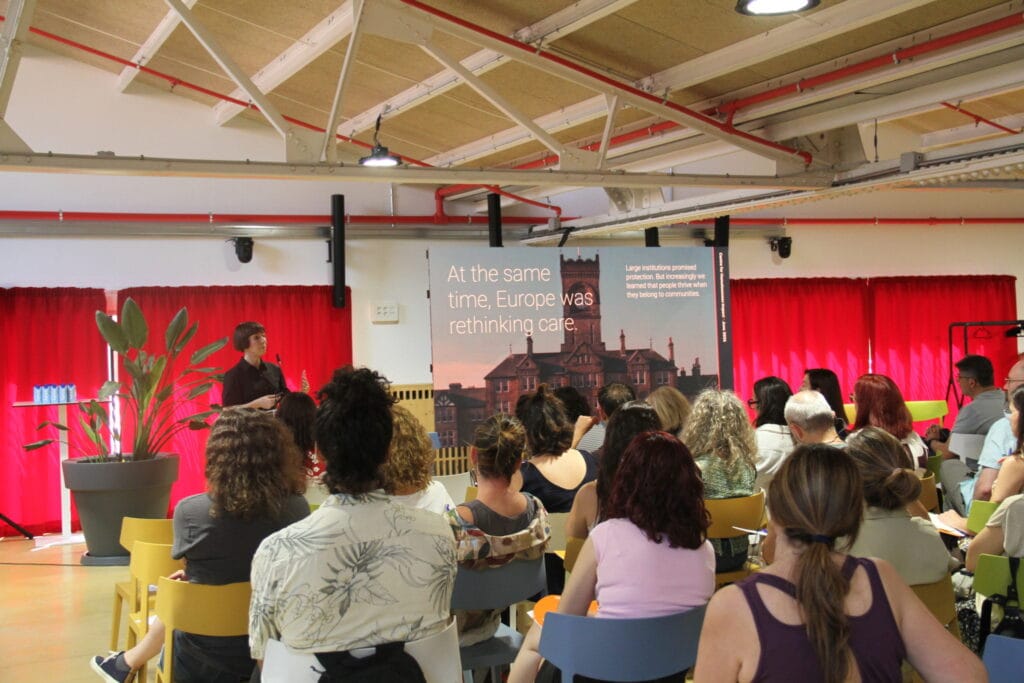
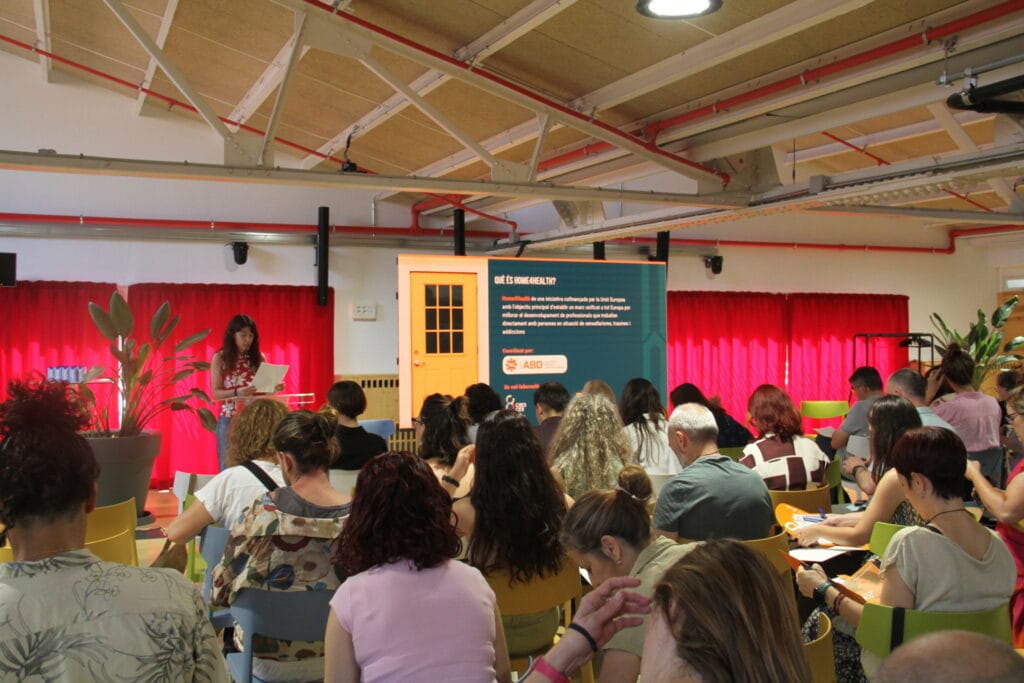
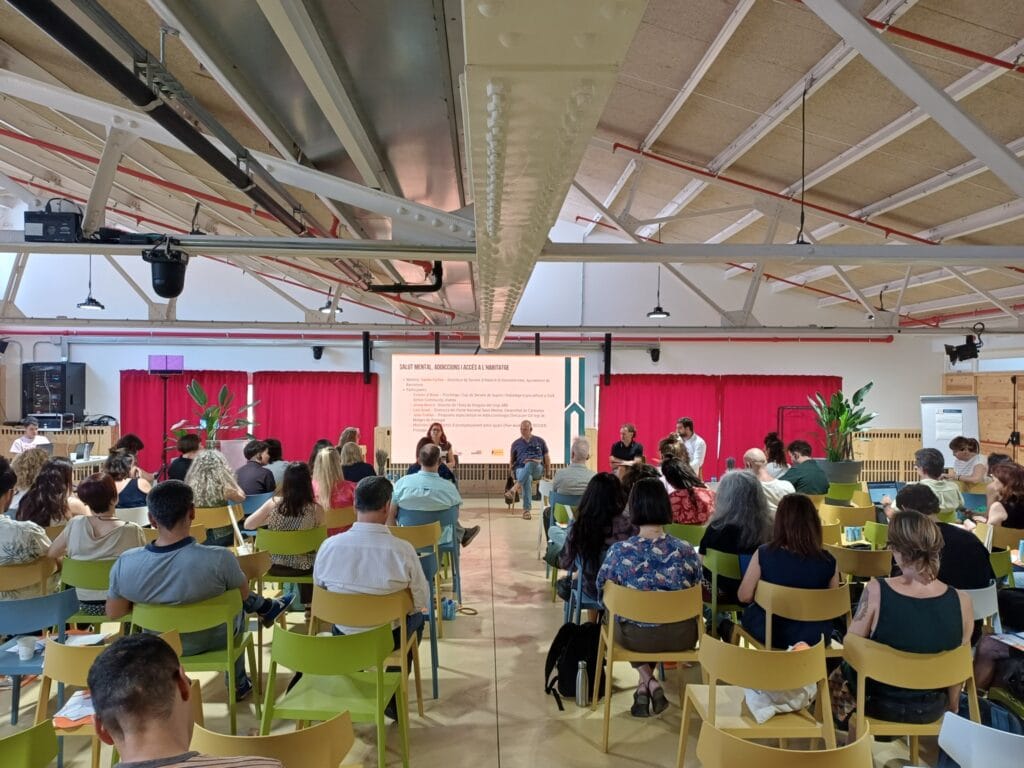
On Wednesday, June 17, the Bloc4BCN space, located in the Sants neighborhood of Barcelona, became the epicenter of the European-level debate on residential exclusion and health. The International Conference on Homelessness and Substance Use, held from 9 a.m. to 4 p.m., successfully concluded the European project Home4Health. This initiative, funded by the European Union’s Erasmus+ program, has been led by ABD Group in Spain since January 2024, in alliance with partner organizations CRESCER (Portugal), HVO-Querido (Netherlands), and Cork Simon Community (Ireland).
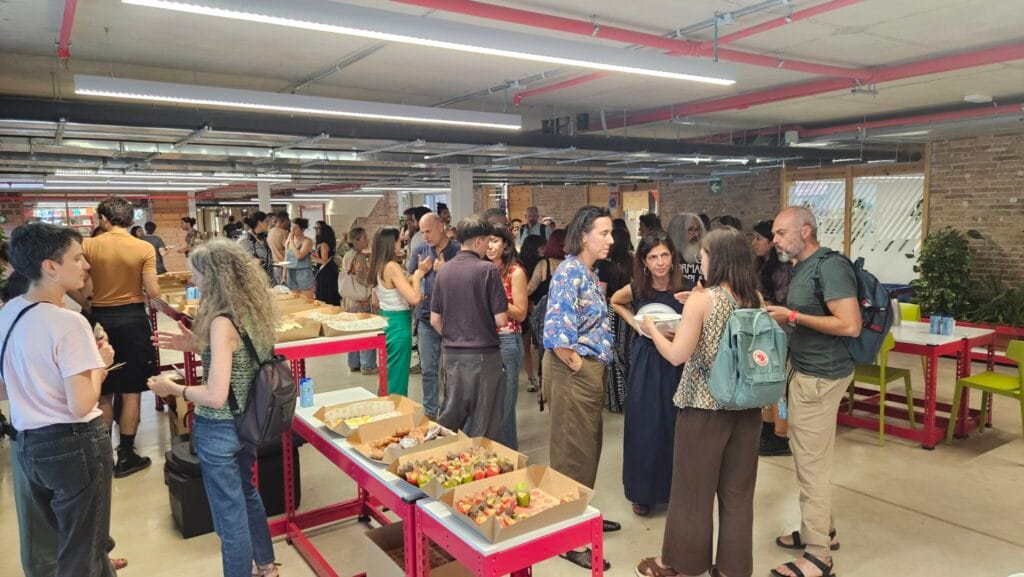
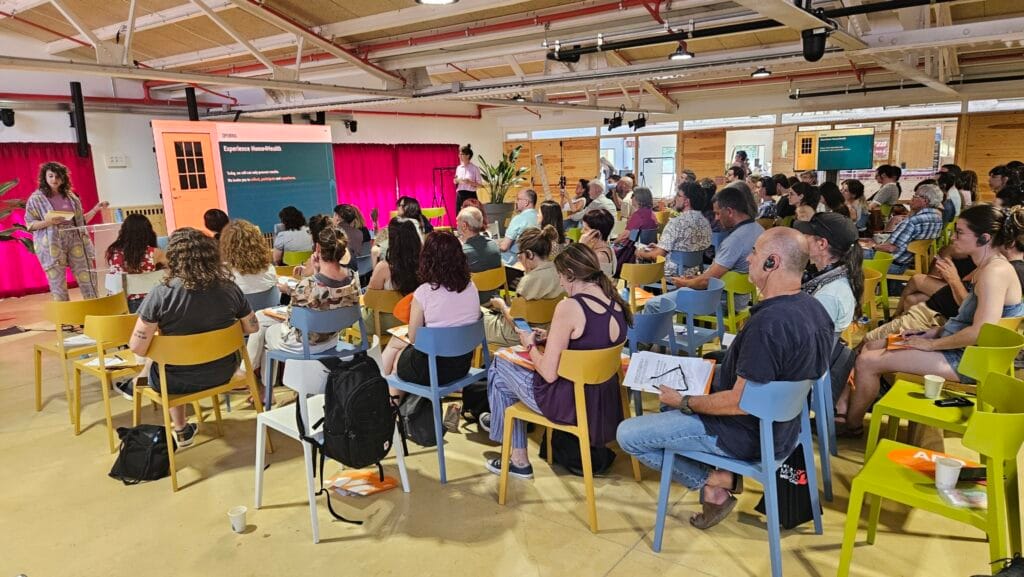
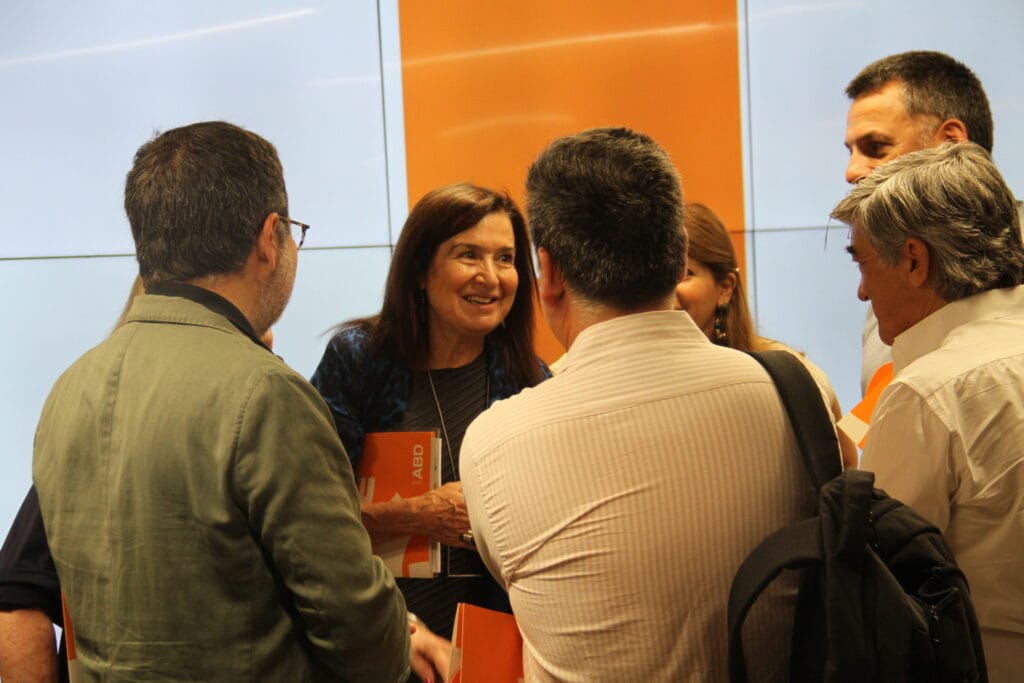
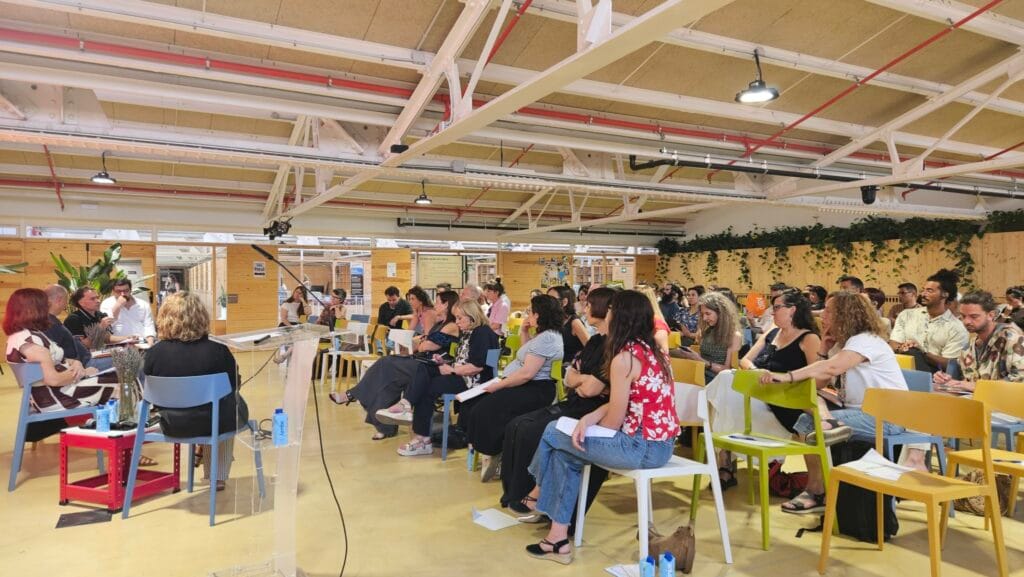
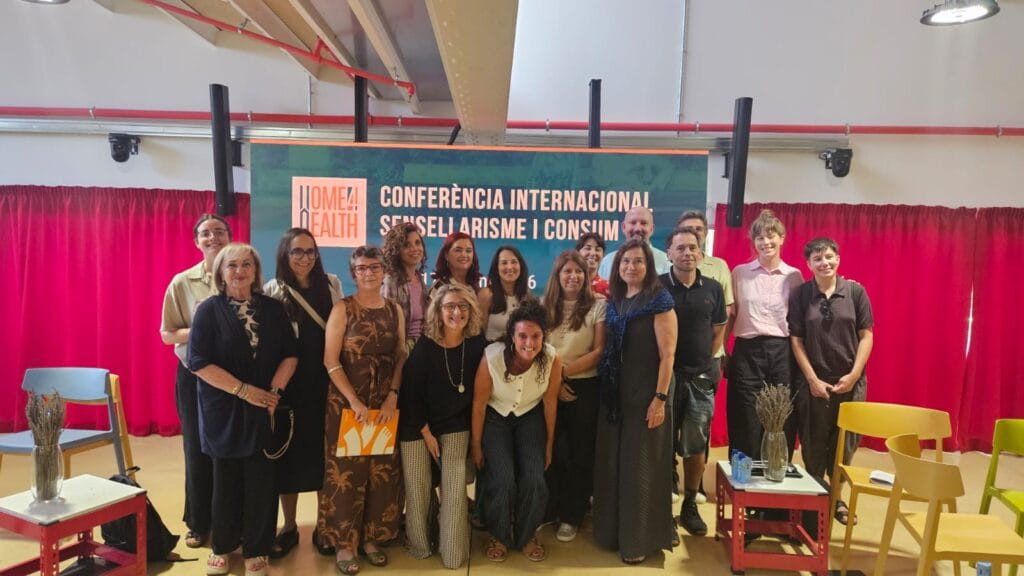
The event received a great response from the sector, bringing together more than 100 people, with a notable representation from public administrations and the associative network. Participants included technicians and representatives from local city councils, the Generalitat de Catalunya, and the Diputació de Barcelona in the fields of addiction and homelessness, as well as health professionals. Furthermore, social organizations, volunteers and professionals from various ABD services, including CRI Galena and Comunitat Activa were present.
The opening of the event was led by Mireia Munté, Director of the International Area at ABD Group, who kicked off an intensive program of debate and exchange of best practices.
A firm institutional commitment
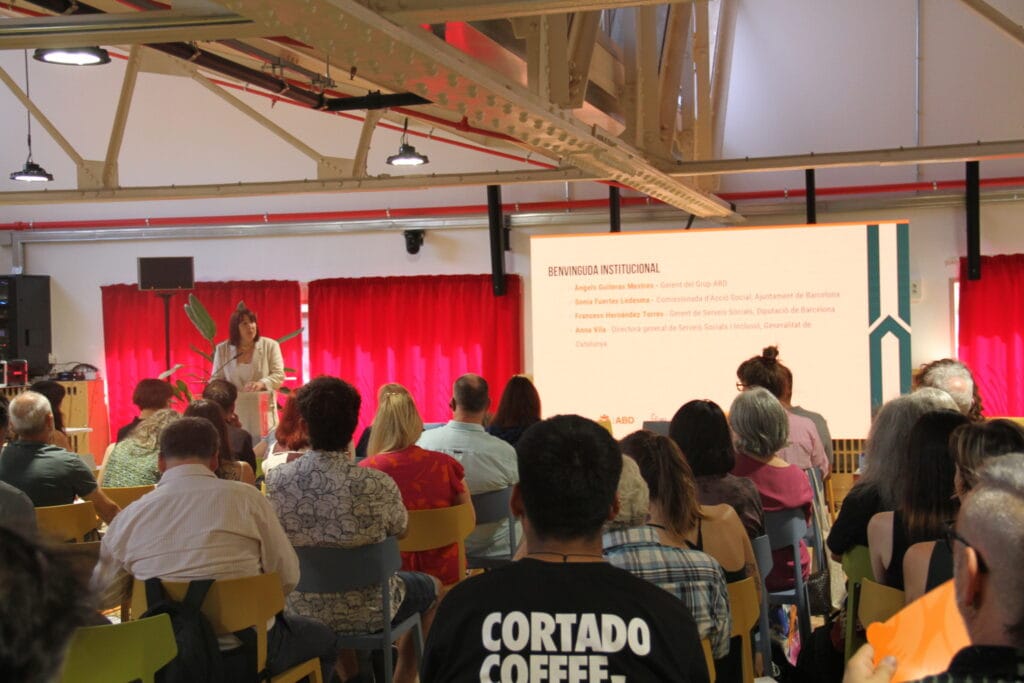
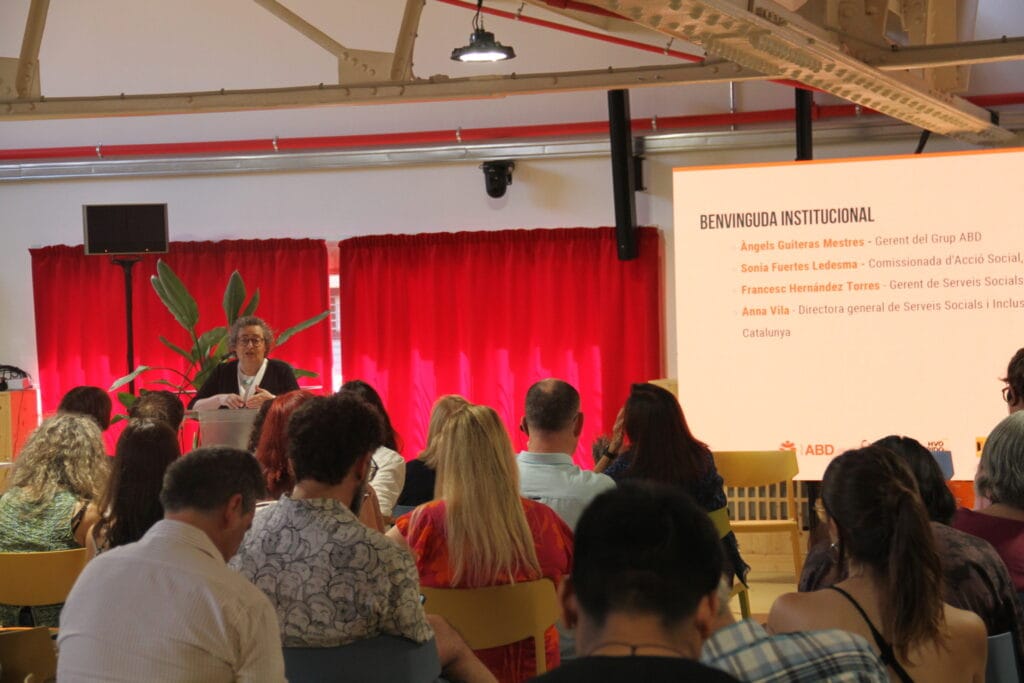
The institutional welcome marked the official starting point with speeches by Àngels Guiteras Mestres, Manager of ABD Group; Sonia Fuertes Ledesma, Social Action Commissioner at the Ajuntament de Barcelona; Francesc Hernández Torres, Social Services Manager at the Diputació de Barcelona; and Anna Vila, Director General of Social Services and Inclusion at the Generalitat de Catalunya. All speakers agreed on the importance of putting the person at the center and strengthening alliances between the third sector and the public sphere.
Following this, Lígia Teixeira, Director of the Centre for Homelessness Impact (United Kingdom) and one of the most recognized voices in research and innovation applied to policies against residential exclusion, delivered the keynote speech. Teixeira framed homelessness and access to housing from a human rights perspective, highlighting housing as a fundamental right and a key condition for health, dignity, and social inclusion. In her speech, she emphasized that Housing First and harm reduction approaches are not only more humane and rights-based, but also more effective and efficient from a public policy perspective, particularly for cities and public administrations. Finally, she stressed the importance of investing in long-term housing solutions and integrated support systems.
Training resources and guidance for administrations: Key tools for social transformation in Europe
During the morning, the project’s training resources and deliverables were also presented by Manon Kooiman and Gina Korver from the Dutch organization HVO-Querido. The session included a brief interactive activity designed to encourage the audience to reflect on the sector’s challenges, questioning key ideas such as the need to challenge the idea that abstinence must always come first, the importance of understanding behavior within the context of trauma (rather than judgment), and the recognition of lived experience as professional expertise.
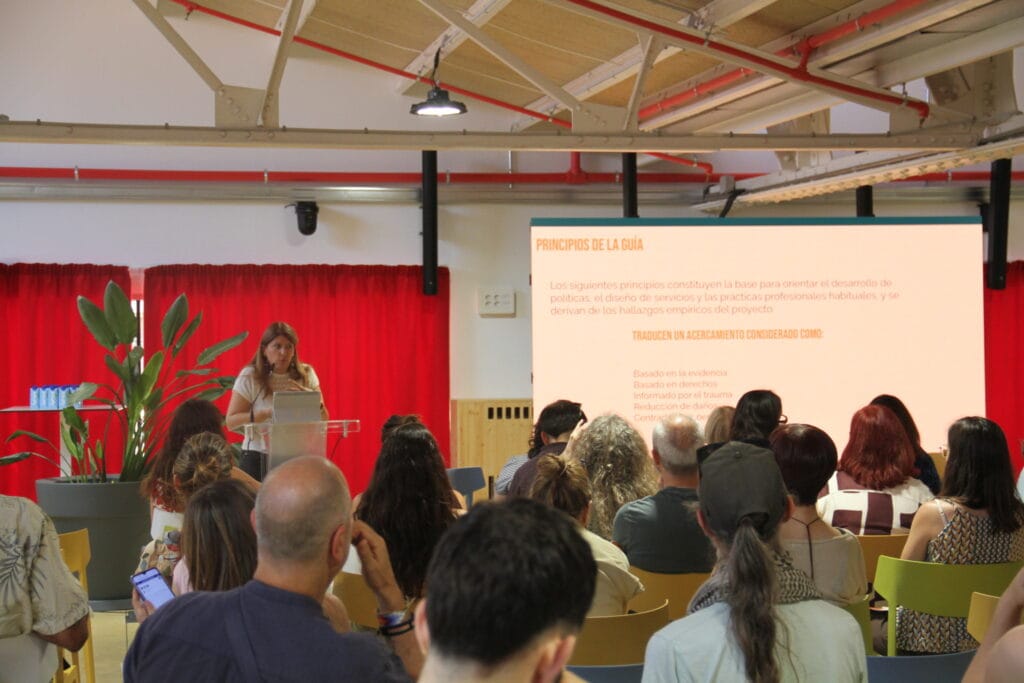
This was followed by the presentation of the EU Guidelines: Supporting Local Governments in addressing Homelessness and Complex Health Issues, delivered by Catarina Alves (Home4Health Project Coordinator at ABD Group), resources which are already available on the ABD website.
Human Rights, Prevention, and the Value of Lived Experience
Throughout the various panel discussions, emphasis was placed on the importance of prevention and the urgent need to equip the system with more resources.
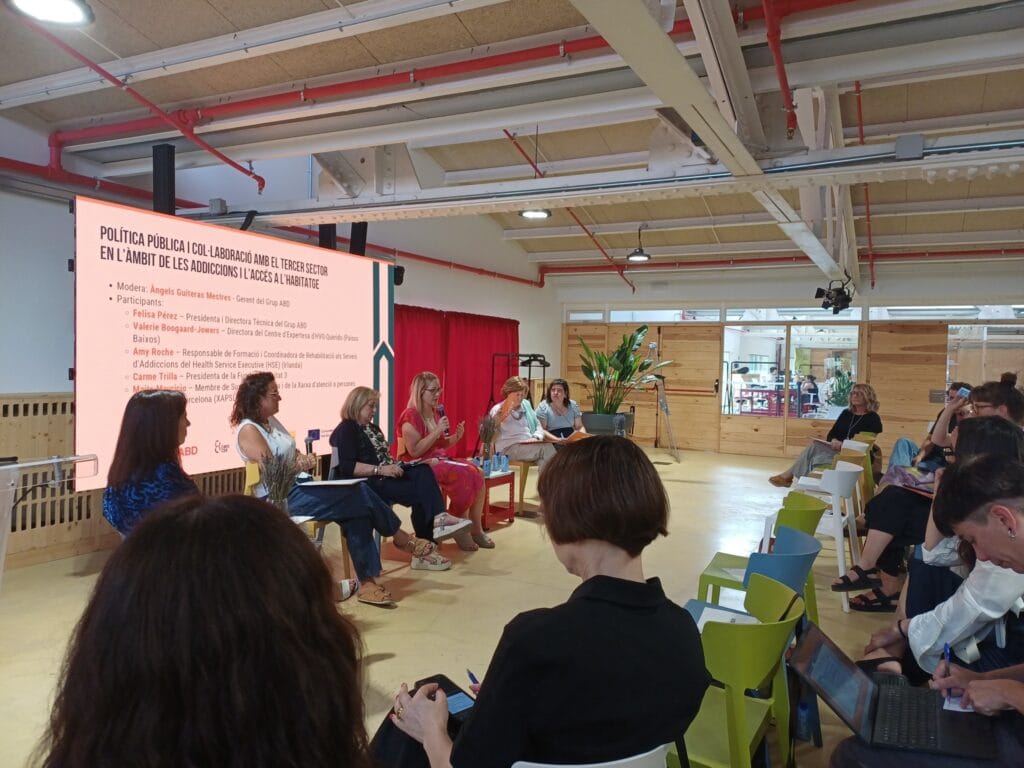
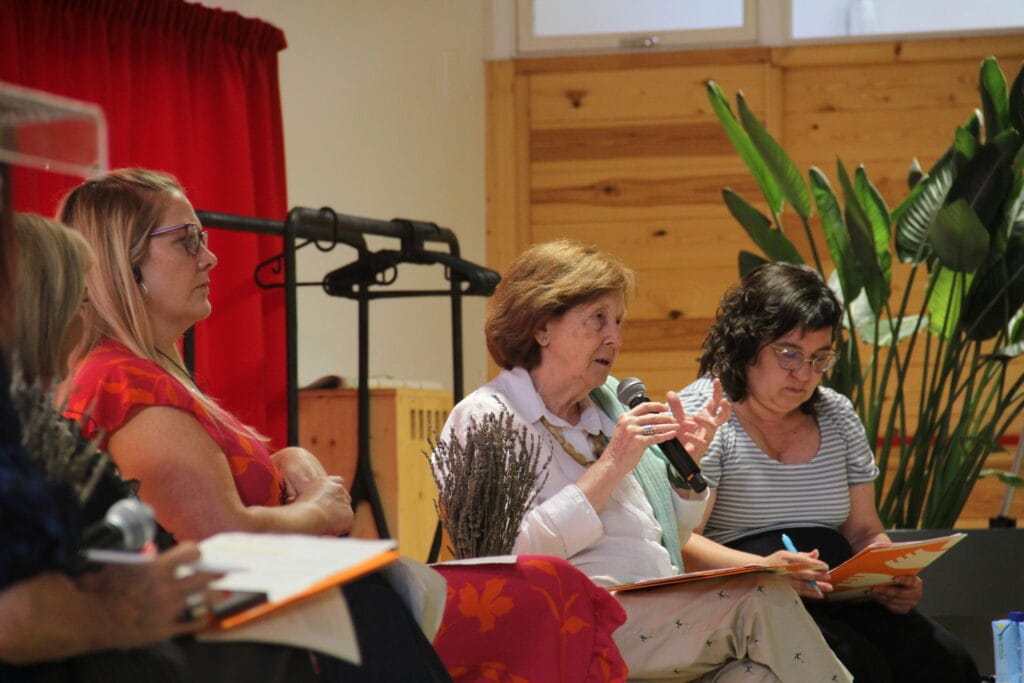
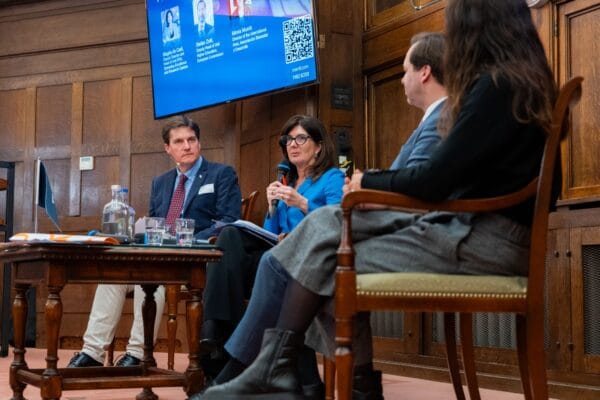
During the first panel discussion on public policies and collaboration with the Third Sector in the field of addictions and access to housing, moderated by Àngels Guiteras Mestres (ABD Group), a rights-based approach was firmly defended. The debate featured Felisa Pérez (President and Technical Director of ABD Group), Valerie Boogaard-Jowers (Director of the Expertise Centre at HVO-Querido, Netherlands), Amy Roche (Training Manager and Rehabilitation Coordinator at the Addiction Services of the Health Service Executive, Ireland), Carme Trilla (President of Fundació Hàbitat 3 and expert in housing policies), and Maite Mauricio (Member of Suara Cooperativa and the Barcelona Network for Attention to Homeless People). A key point of discussion was the need to incorporate peer workers (individuals with lived experience) into governance and decision-making spaces.
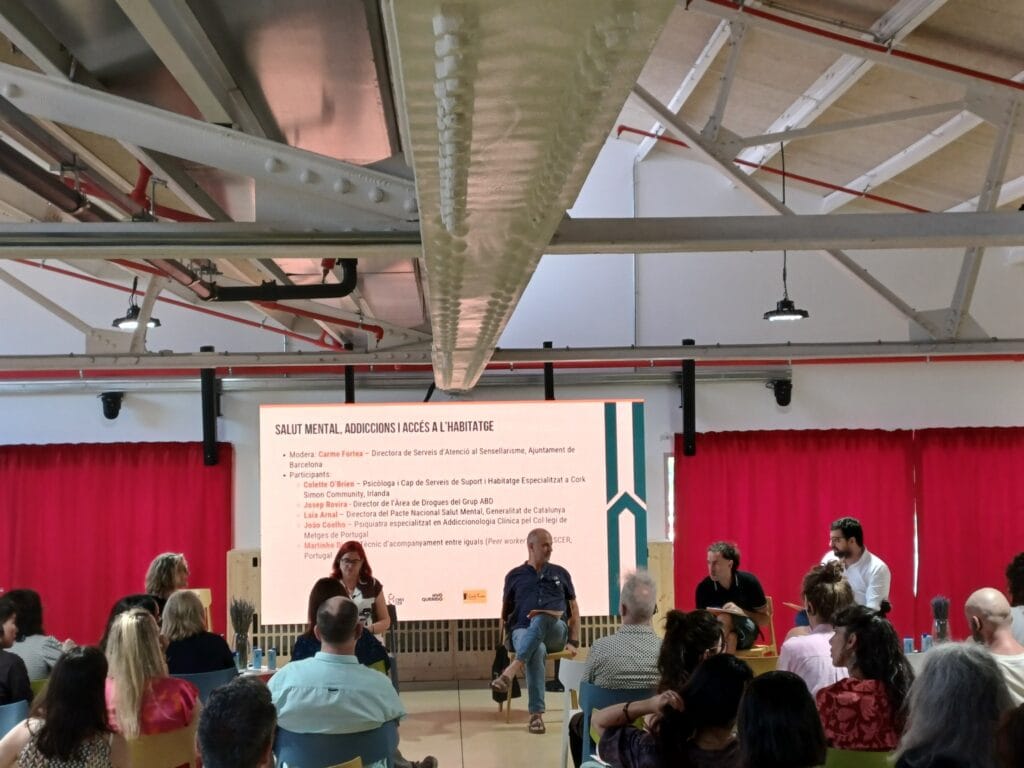
The second panel of the day, moderated by Carme Fortea, Director of Homelessness Attention Services at the Ajuntament de Barcelona, focused on mental health, addictions, and access to housing.
This block featured professionals such as Colette O’Brien (Social Care Manager and Head of Support Services and Specialized Housing at Cork Simon Community, Ireland), Josep Rovira (Director of the Drugs Area at ABD Group), João Mendes Coelho (Psychiatrist specializing in addiction and representative of the Medical Association of Portugal), and Martinho Dias (Peer worker from the Portuguese organization CRESCER). The panelists analyzed the “vicious circle” that often links homelessness with substance use, highlighting the creation of community bonds and the importance of firsthand experience.
The ‘Housing First’ Model on a European Scale
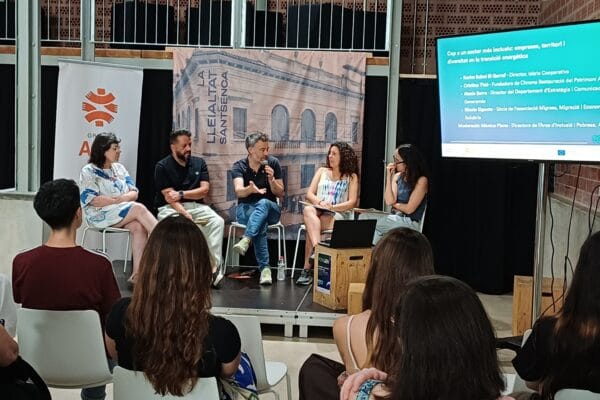
The final block of the conference debated the Housing First model and social vulnerability as key tools to break barriers and stigmas.
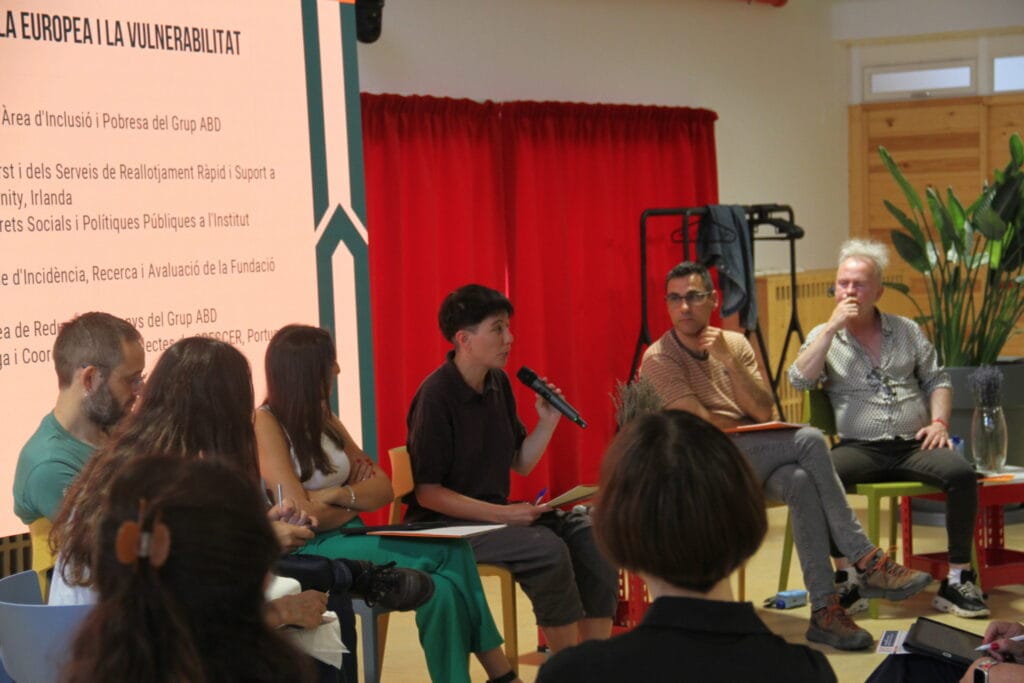
Moderated by Mònica Plana, Director of the Inclusion and Poverty Area at ABD Group, participants openly discussed the institutional violence suffered by people in situations of greater vulnerability. The panel included contributions from Mark Jordan (Head of Housing First and Rapid Rehousing and Housing Support Services at Cork Simon Community, Ireland), Albert Sales (Head of the Social Rights and Public Policies Area at the Institut Metròpoli), Guillem Fernàndez (Head of Advocacy, Research, and Evaluation at Fundació Arrels), Ester Aranda (Director of the Harm Reduction Area at ABD Group), and Cristiana Merendeiro (Psychologist and Project Coordinator at CRESCER, Portugal).
The consensus was absolute: housing must be understood as a basic and necessary right to preserve individuality, and this model must be directly integrated into global public policies to build a society for everyone.
Comprehensive closure: A focus centered on trauma and dignity
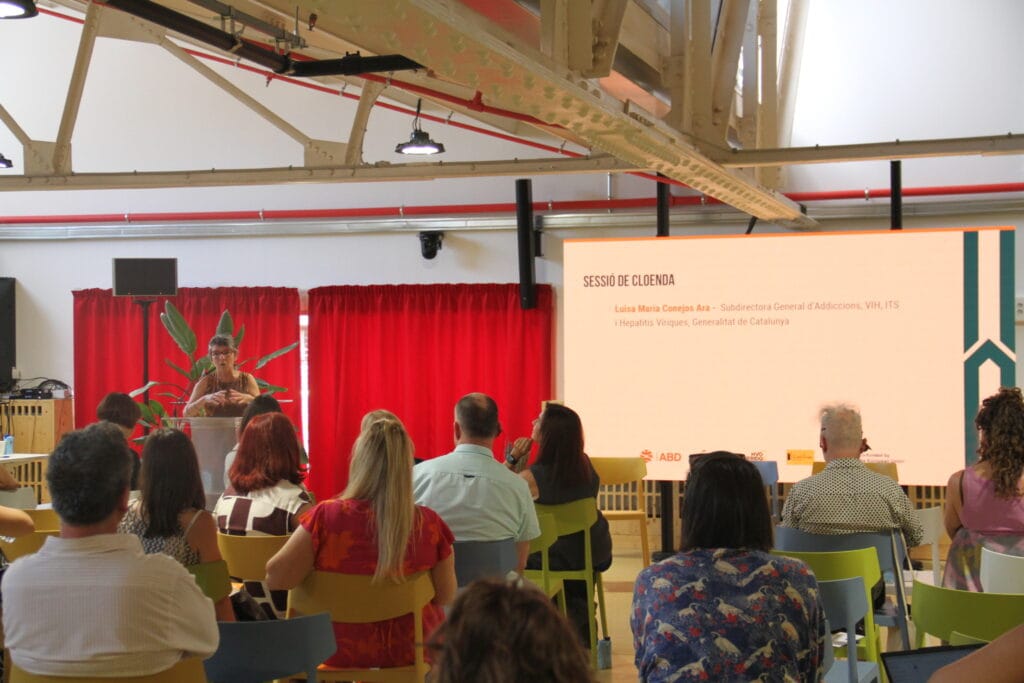
The closing of the conference was conducted by Luisa Maria Conejos Ara, Sub-director General of Addictions, HIV, STIs, and Viral Hepatitis at the Generalitat de Catalunya.
In her speech, she summarized the guiding thread of the entire event: the responsibility of institutions to continue working in multi-level alliances (national, regional and local) and the commitment to third-sector organizations. Furthermore, she valued the Home4Health model, based on awareness and professional training, which moves away from simple emergency responses to embrace a comprehensive, humane, and trauma-informed approach, where dignity is the fundamental cornerstone for people’s recovery.



YouTube
ABD presentation. Why do we do what we do?
Instagram
📢 Come to the Europe Day of the LILA project