
We presented Preinfant’s experience at the European Social Services Conference
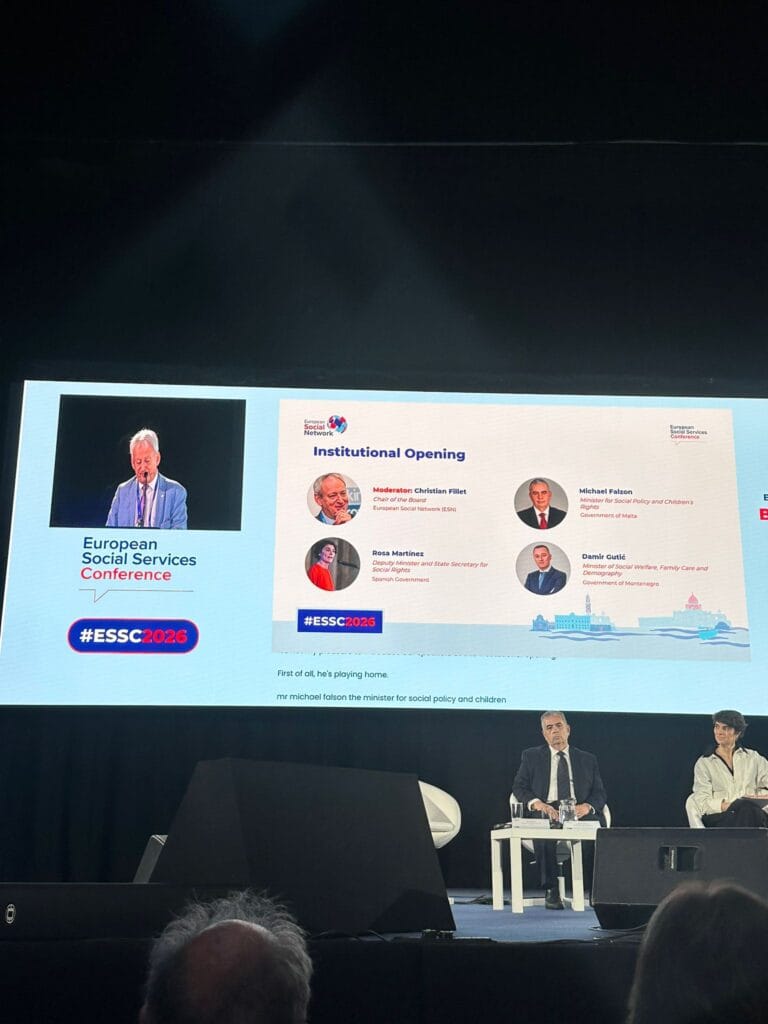
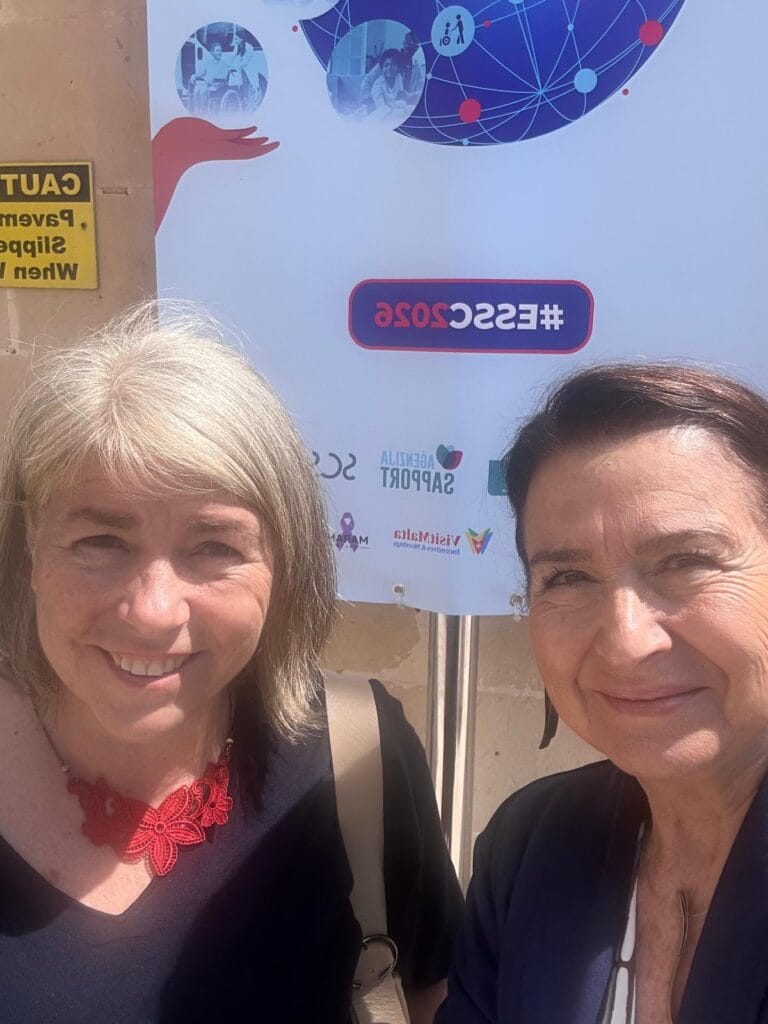
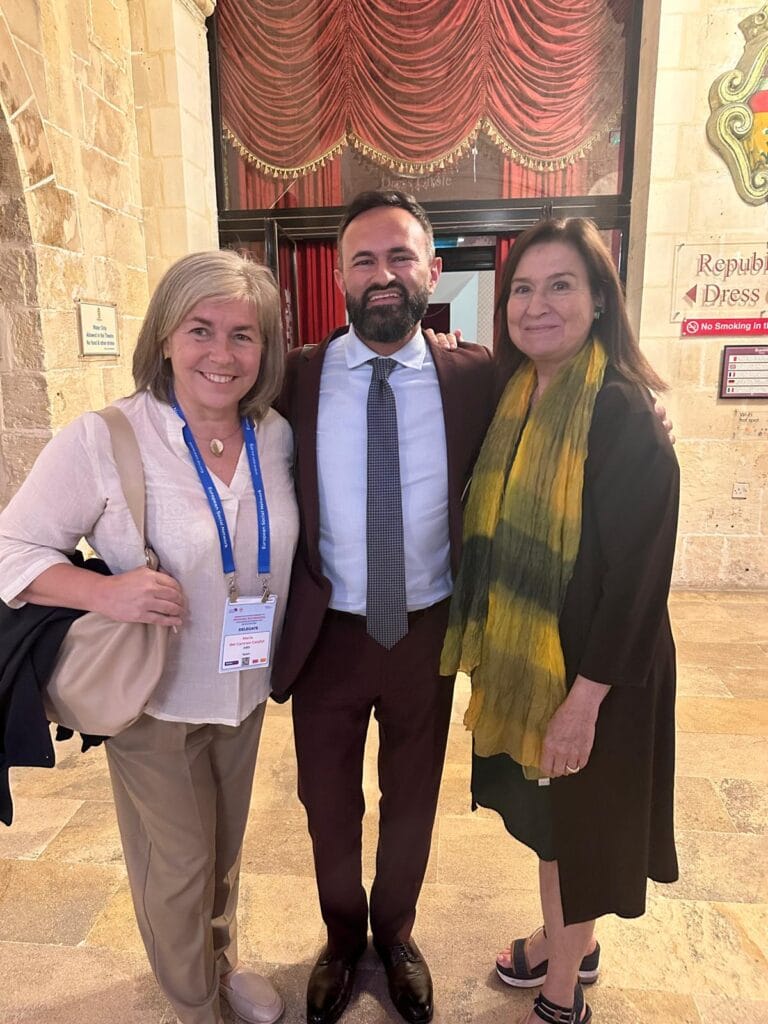
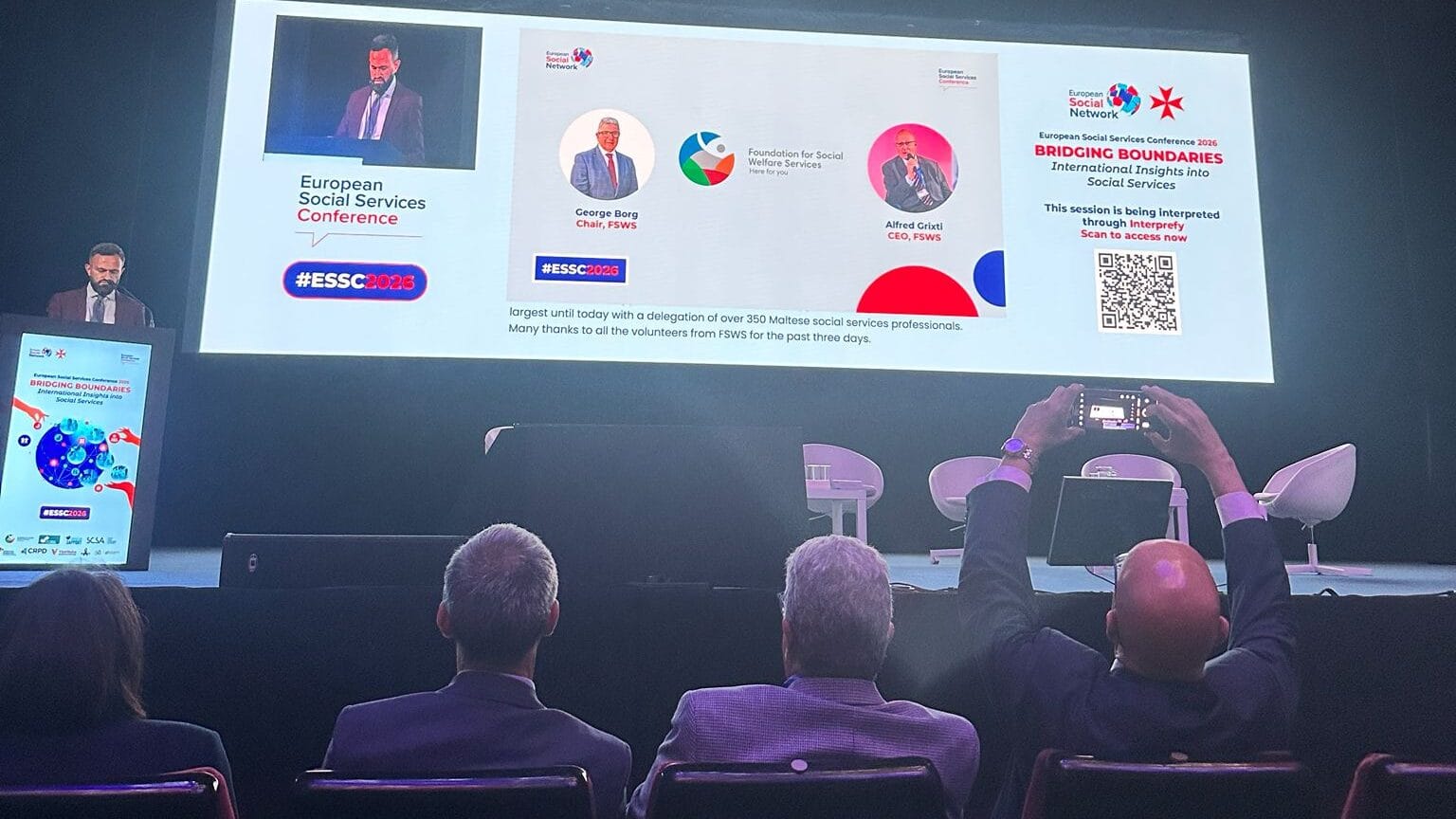
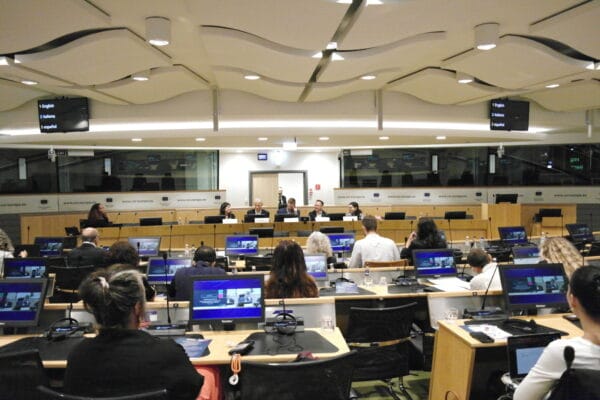
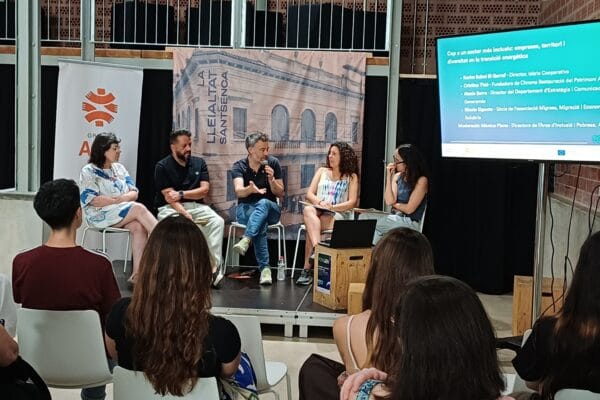
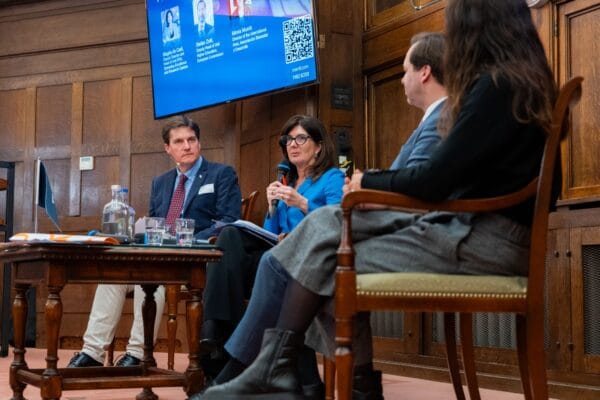
Carme Calafat, Director of the Department of Children, Families, and Gender, and Àngels Guiteras, CEO of the ABD Group, represented the organization at the 2026 European Social Services Conference, held May 18–20 in Malta and organized by the European Social Network (ESN).
Entitled Starting Early: Preventive Support for Children and Families, the session focused on supporting expectant parents as a way for social services to ensure that all children have the best possible start in life, particularly for families in vulnerable situations or with high support needs, since prevention plays a decisive role in achieving more positive outcomes in early childhood.
Preinfant and Baby on the Way
The conference highlighted two initiatives: Preinfant in Spain and Baby on the Way in Belgium.
ABD shared its experience with the Preinfant program in Madrid and Barcelona, which supports vulnerable families and their children aged 0 to 3. The program aims to break down isolation, improve access to basic rights and the social services network, provide comprehensive support, and empower families to build their resilience and ensure the well-being of their children. As Carme Calafat explained, Preinfant offers individual and group care, combining emotional, educational, and social support with community spaces that enable the creation of support networks. Additionally, the program provides mother-and-child apartments to ensure access to housing and uses digital platforms to overcome potential accessibility barriers. Another key aspect is the family-centered methodology, which takes a preventive approach, beginning during pregnancy and assigning a single designated professional as a point of contact.
From the city of Genk, Belgium, the experience of the “Baby on the Way” project was presented. Launched in 2018 as a joint initiative by several organizations, the project focuses on early detection and prevention for at-risk pregnant women. It features a single point of contact for early detection and rapid coordination of support, as well as a preventive approach that provides information and support networks for expectant families.
The project integrates and coordinates existing services rather than creating new ones, and applies the principle of “proportional universalism” (support for everyone, tailored to the level of need). It is based on trauma-informed practice.
Case Studies
The presentation included case studies to illustrate the work carried out by both services and to open a participatory discussion with the audience by raising questions about the barriers women face in accessing services and the factors that help these services transform a history of vulnerability and trauma into one of empowerment and resilience.
Key Factors for Effective and Sustainable Intervention
During the presentation, several key aspects were highlighted regarding the accompaniment and support of vulnerable families and children, such as beginning work during pregnancy, active listening, and a culturally sensitive approach to build trusting relationships and transform trauma narratives, as well as providing specialized training and ongoing supervision to the professionals involved to safeguard their well-being and ensure high-quality care. However, issues regarding the model’s sustainability were also brought to the table, through public funding as well as the commitment and investment of partner organizations that are convinced of the value of the collaborative model.


YouTube
ABD presentation. Why do we do what we do?
Instagram
📢 Come to the Europe Day of the LILA project