
Two psychologists from the Arroyomolinos Municipal Branch of the Regional Observatory on Gender-Based Violence are taking part in a training session with a view to subsequently implementing the programme as part of the pilot phase of the European FADO project
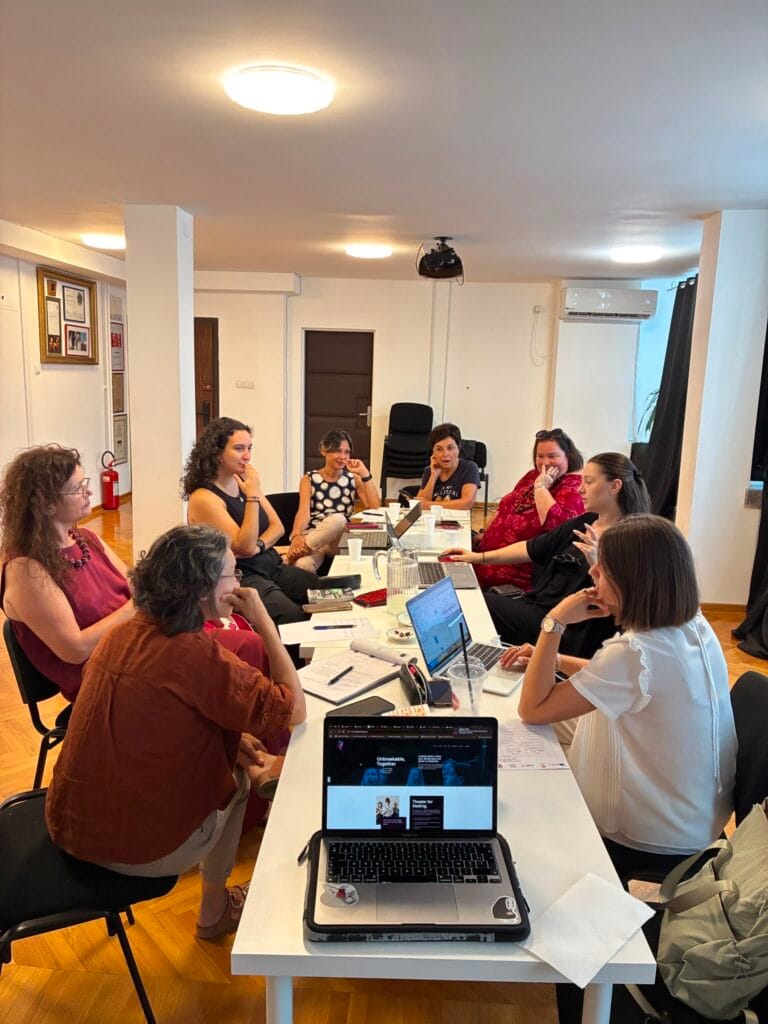
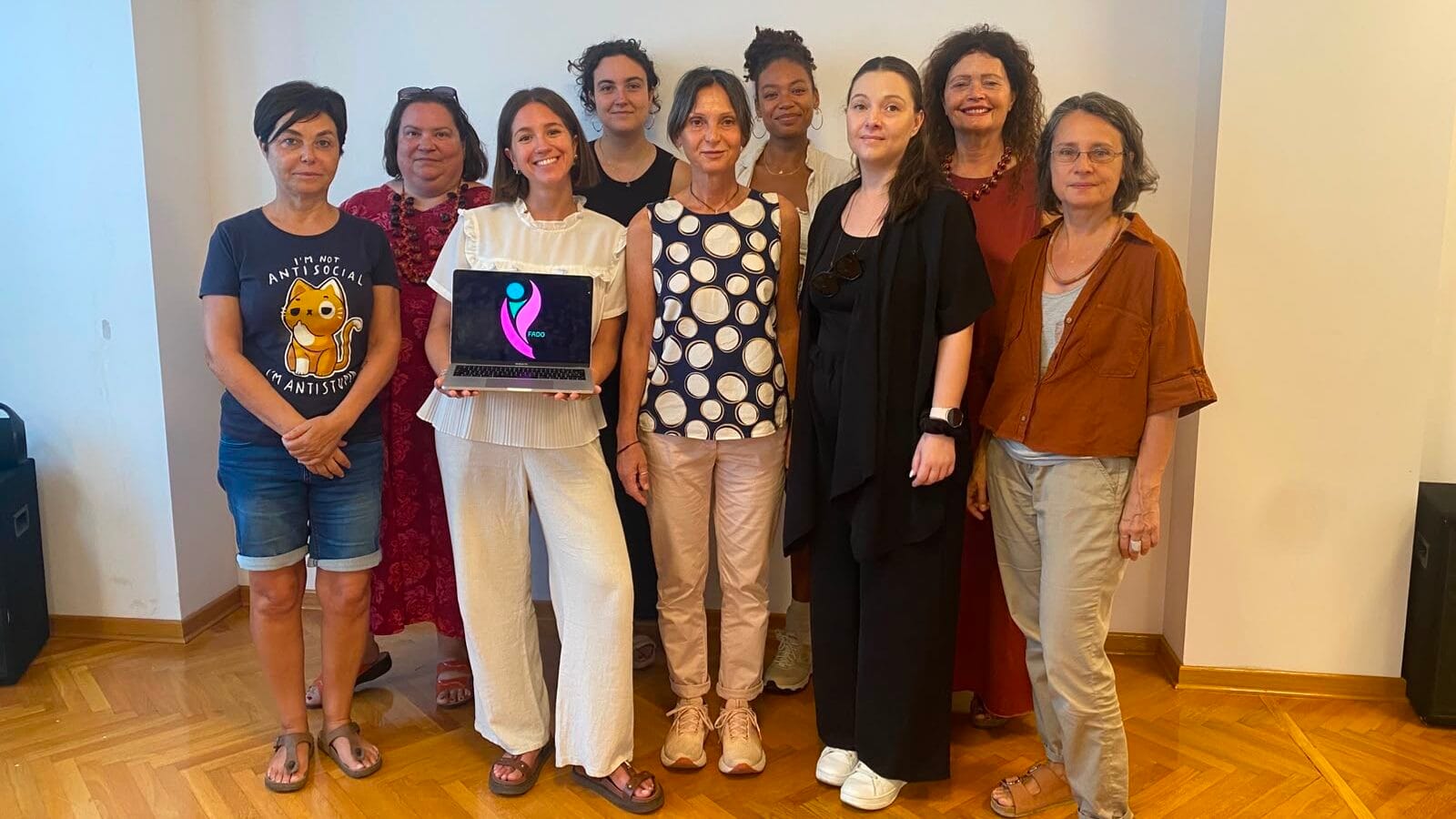
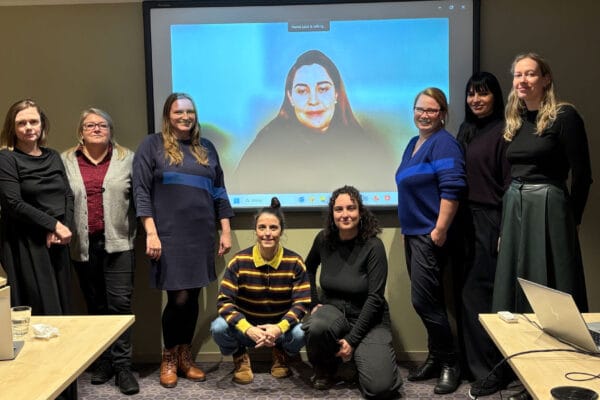
From 22 to 26 June 2026, the city of Belgrade (Serbia) hosted an international training workshop as part of the European FADO (Finding Assistance, Delivering Outreach) project, an initiative funded by the Erasmus+ programme that promotes the use of socially engaged theatre as a tool for support, awareness-raising and accompaniment in the face of the various forms of gender-based violence.
The training session was organised by DAH Teatar (Serbia) and Meta Arte (Italy) and brought together professionals from the other partner organisations involved in the project: Maison de l’Europe des Landes WIPSEE (France), the project coordinator; Associazione NET (Italy); and ABD, as well as the host organisations.
From ABD, two psychologists from the Municipal Centre of the Regional Observatory on Gender-Based Violence (PMORVG) in Arroyomolinos (Madrid) – which is run by the organisation – received the necessary training to lead the pilot workshops that the project will be running in Spain over the coming months.
An artistic and interdisciplinary approach to supporting survivors of gender-based violence
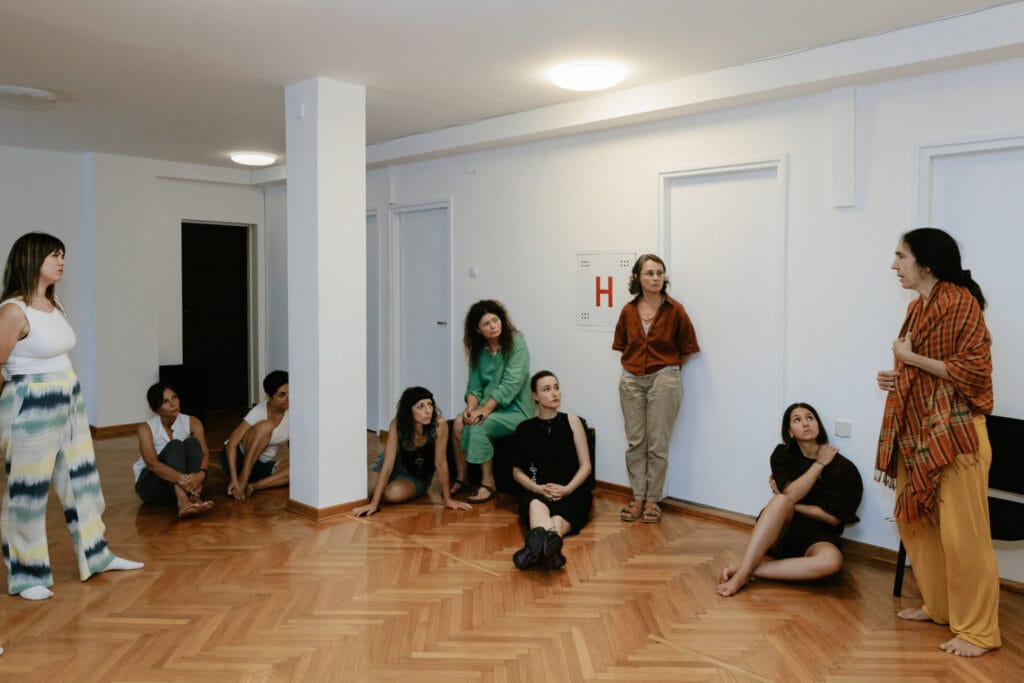
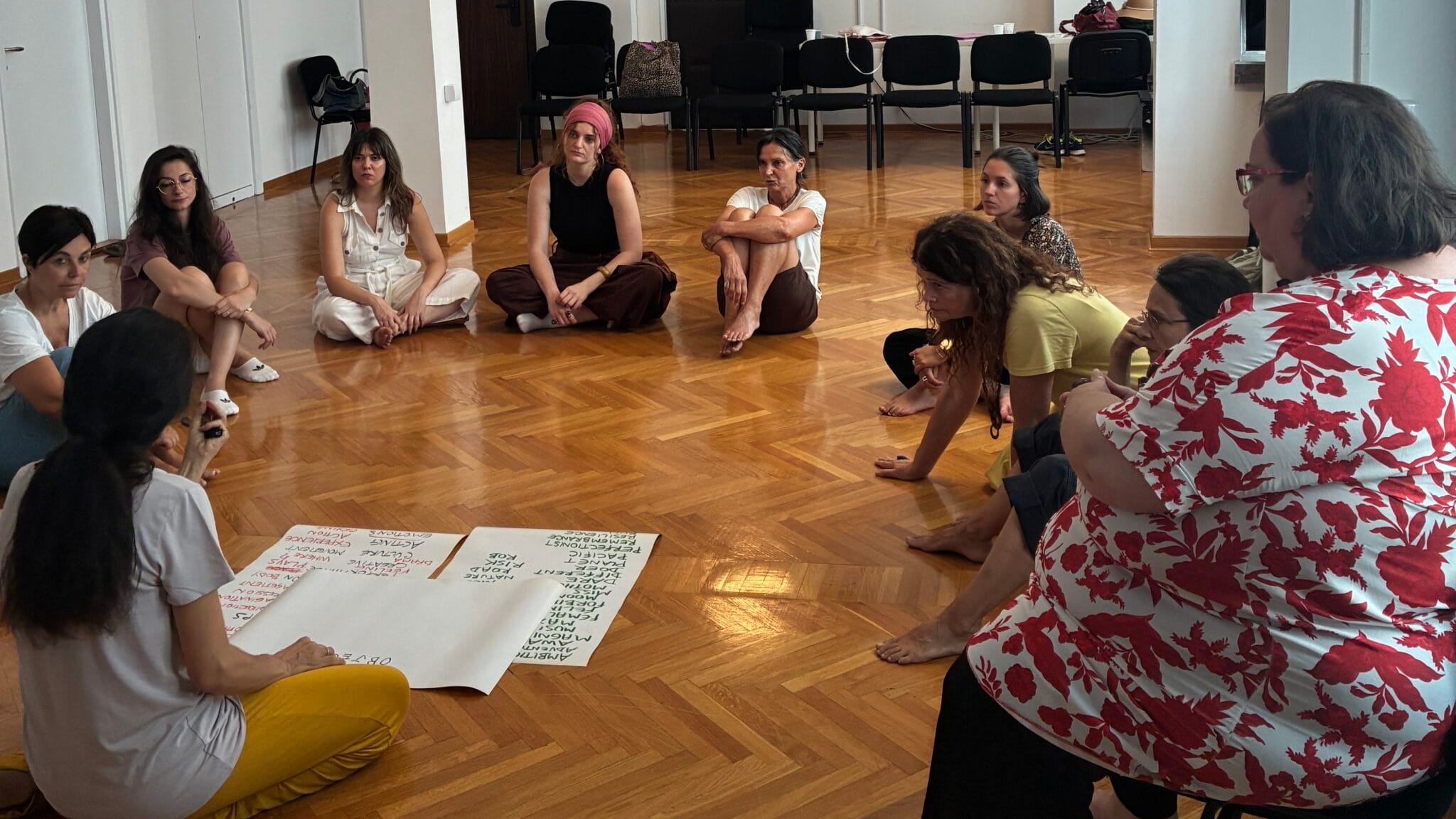
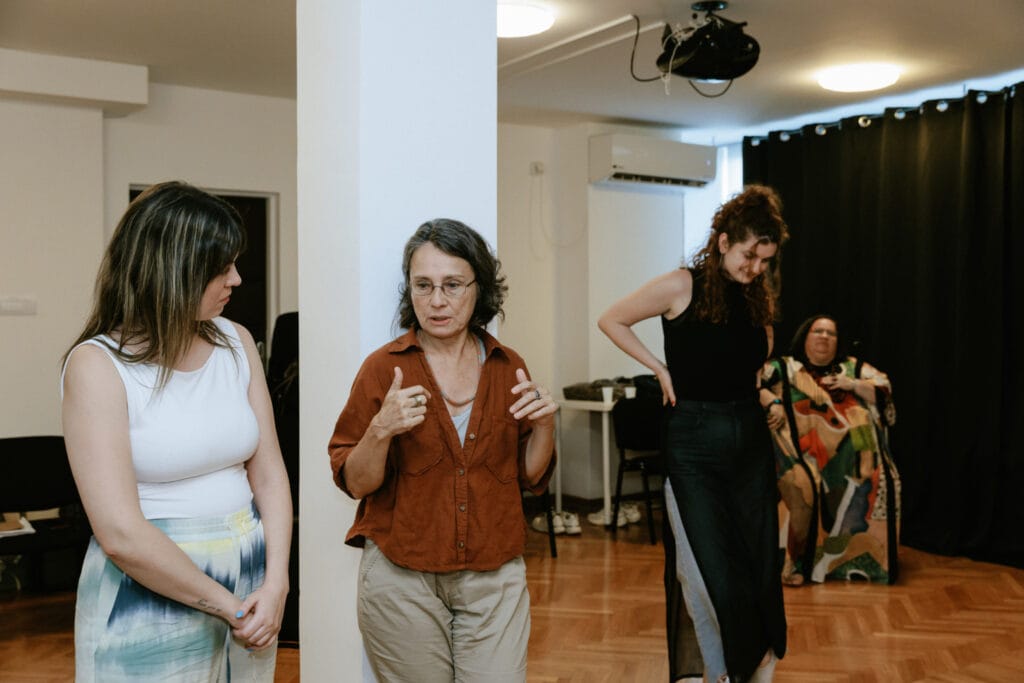
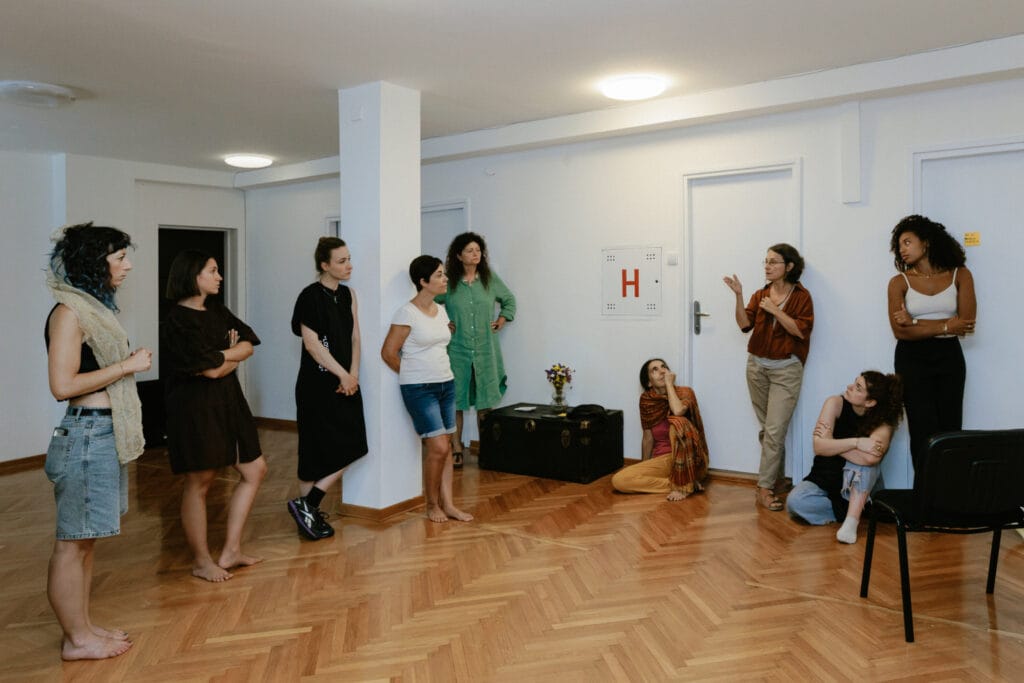
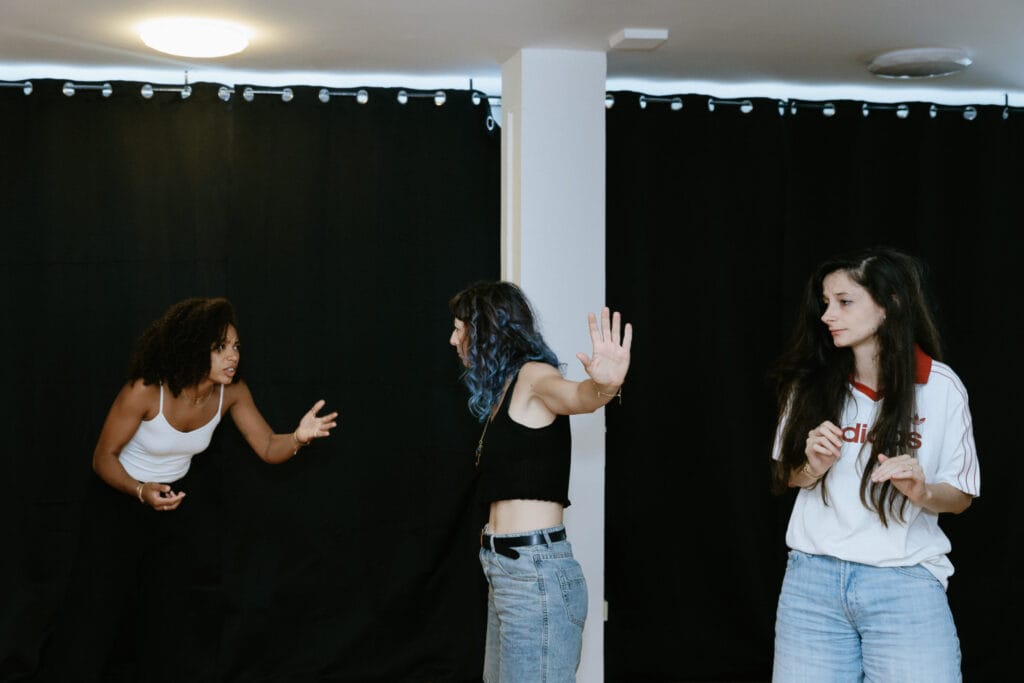
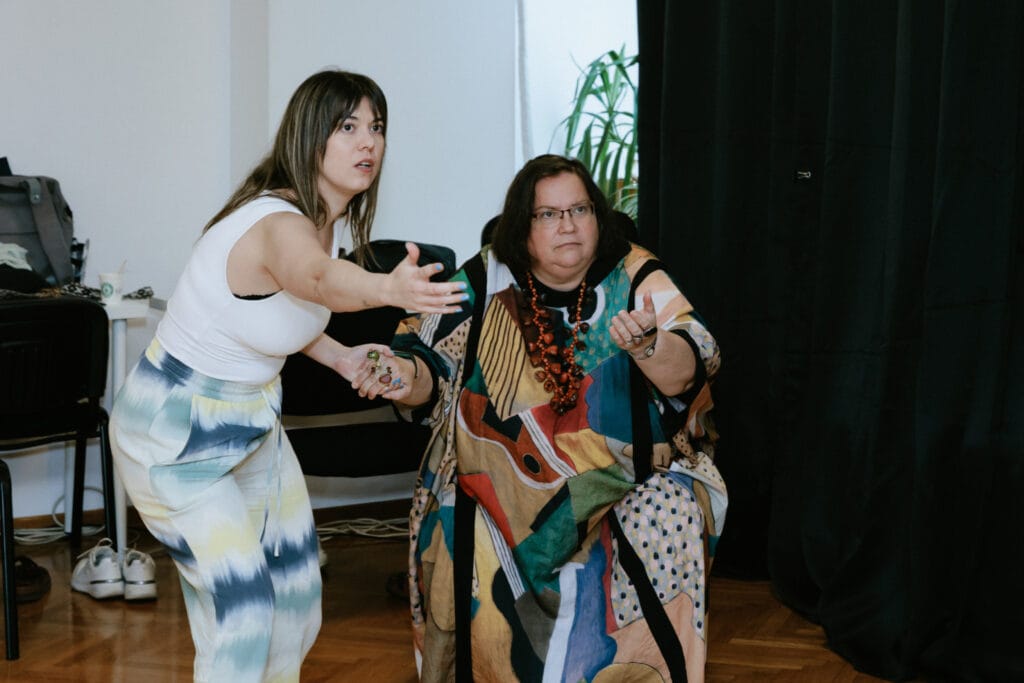
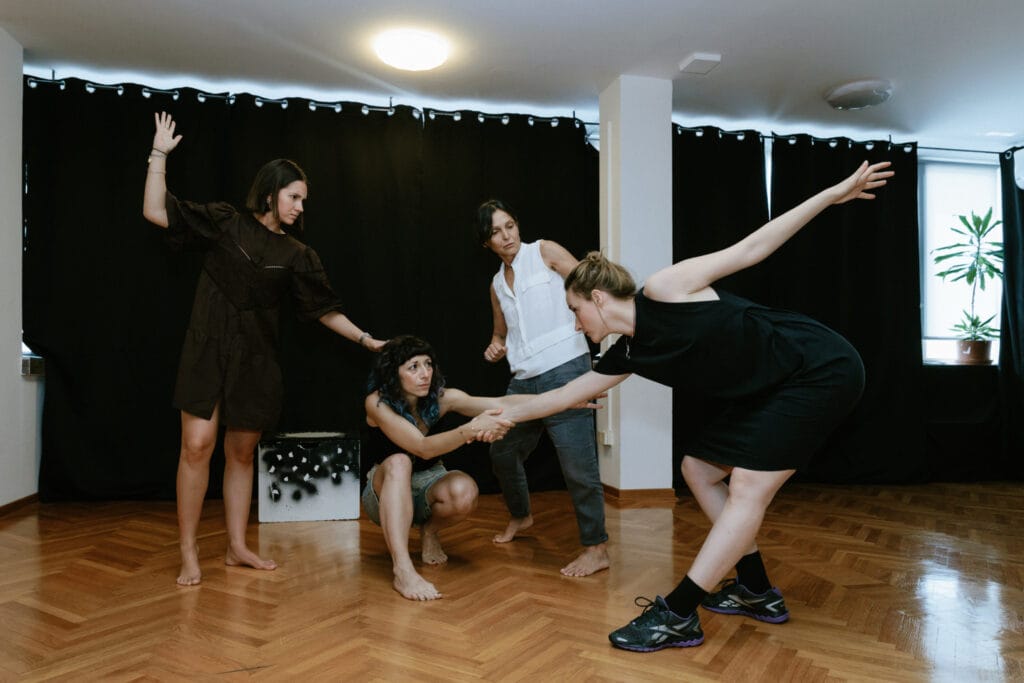
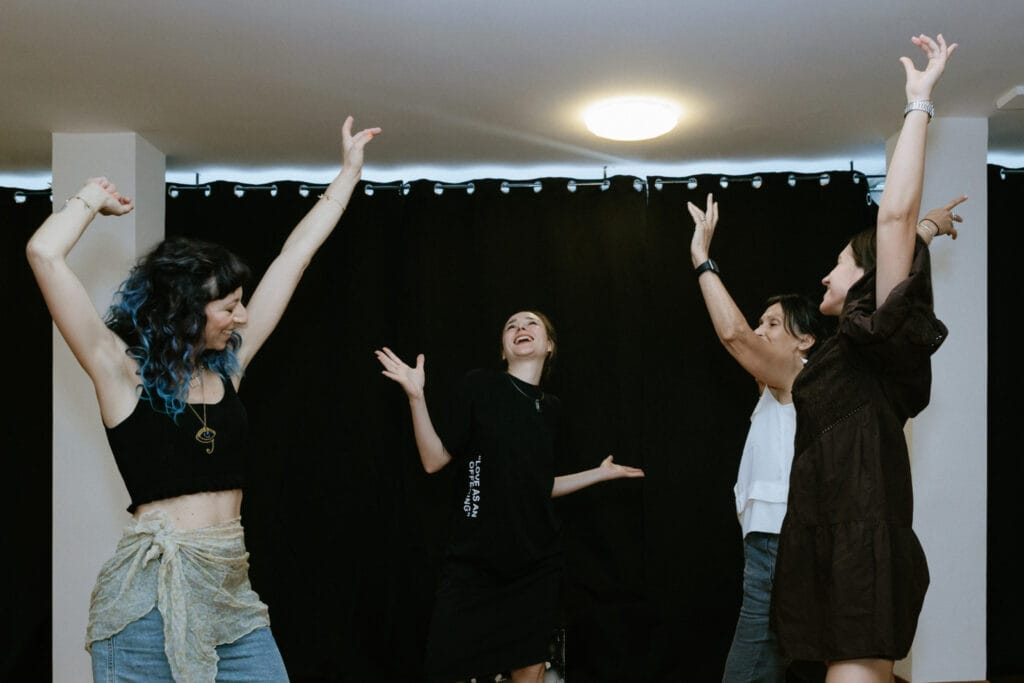
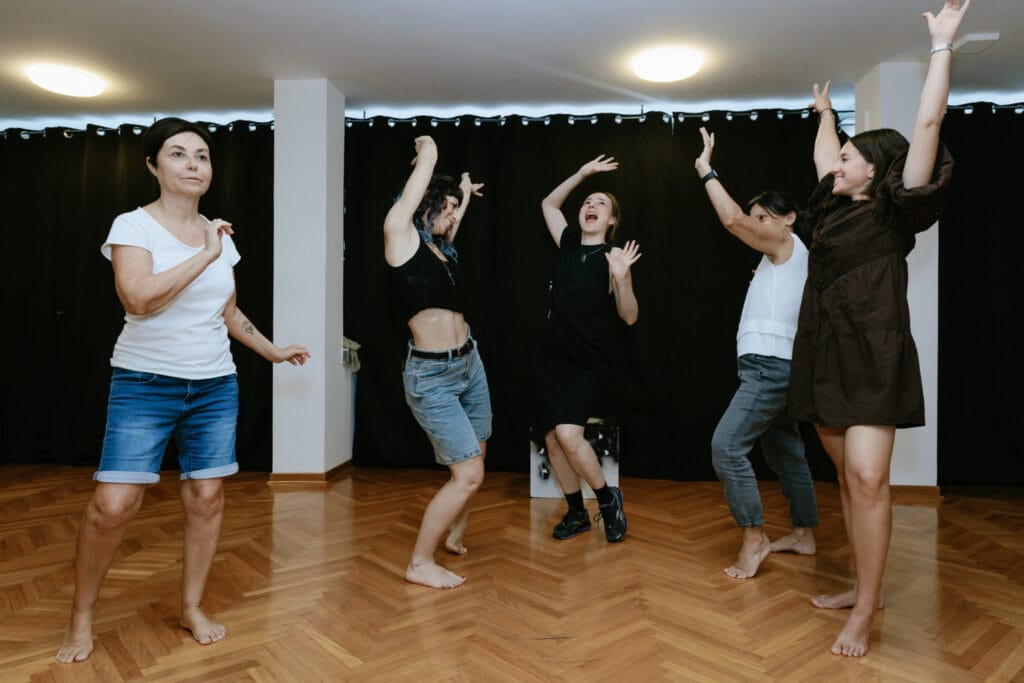
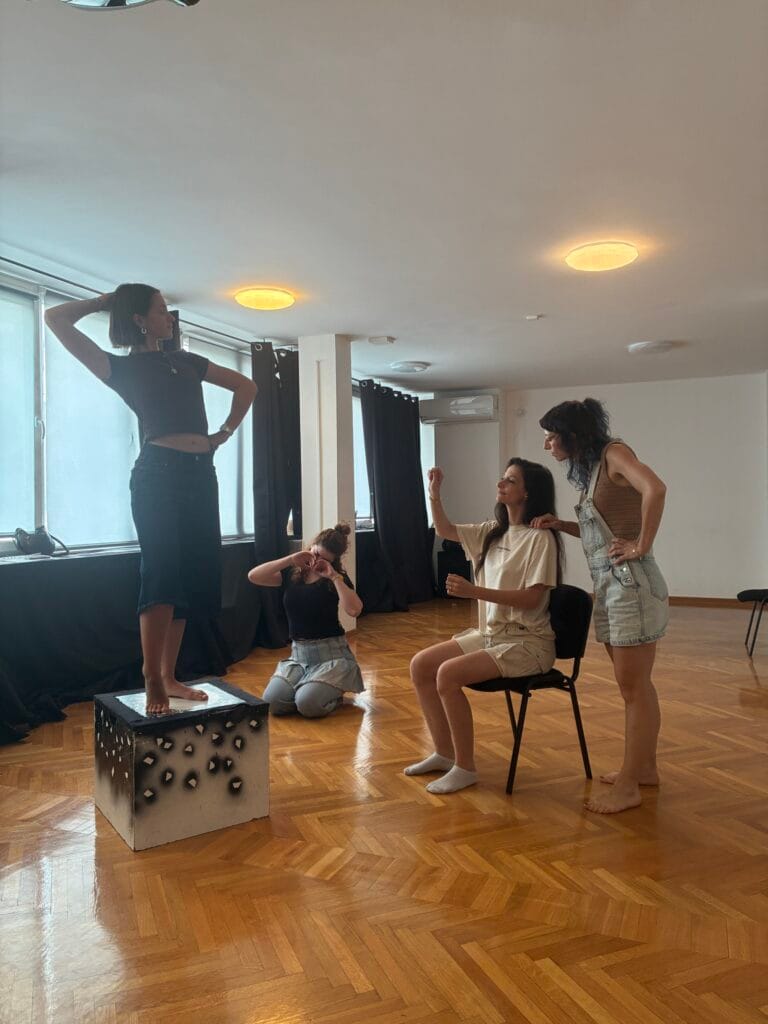
The training programme, delivered entirely in English, lasted 18 hours, spread over three intensive days of work. During the sessions, participants undertook physical and vocal training exercises designed to develop body awareness, breathing, posture, vocal projection and expressive ability. At the same time, they took part in creative activities aimed at building confidence, group cohesion, improvisation, emotional expression and collaborative artistic creation.
The programme began with warm-up activities designed to build trust amongst the participants. All of these are included in the FADO training programme. The participants then used Joumana Haddad’s poem ‘I Am Lilith’ as a starting point to explore creativity, imagination and the expressive possibilities of the body and voice.
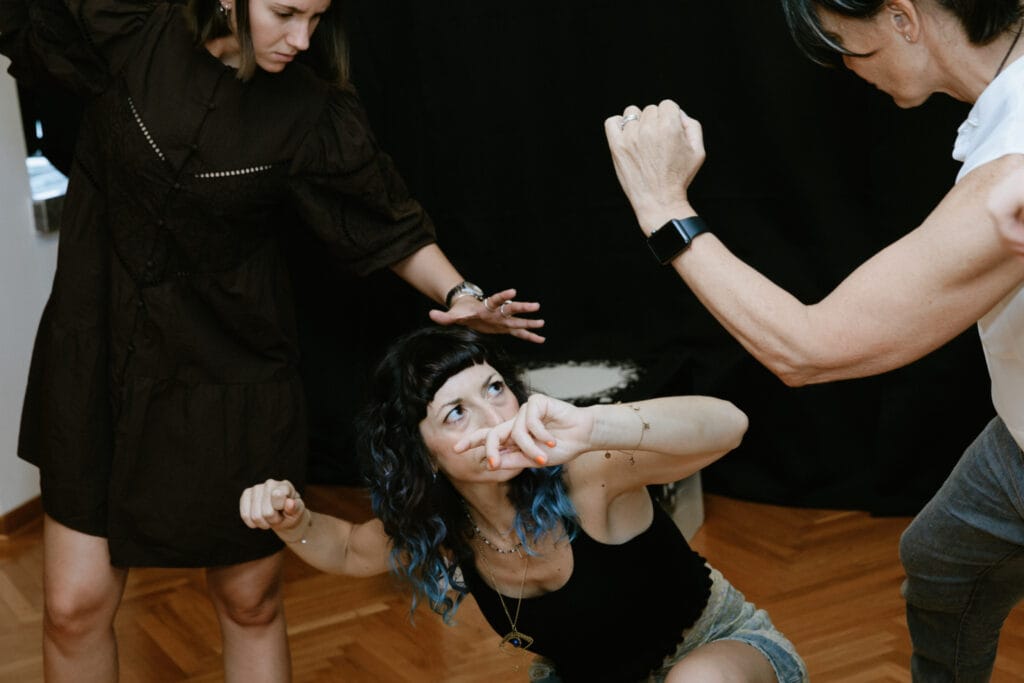
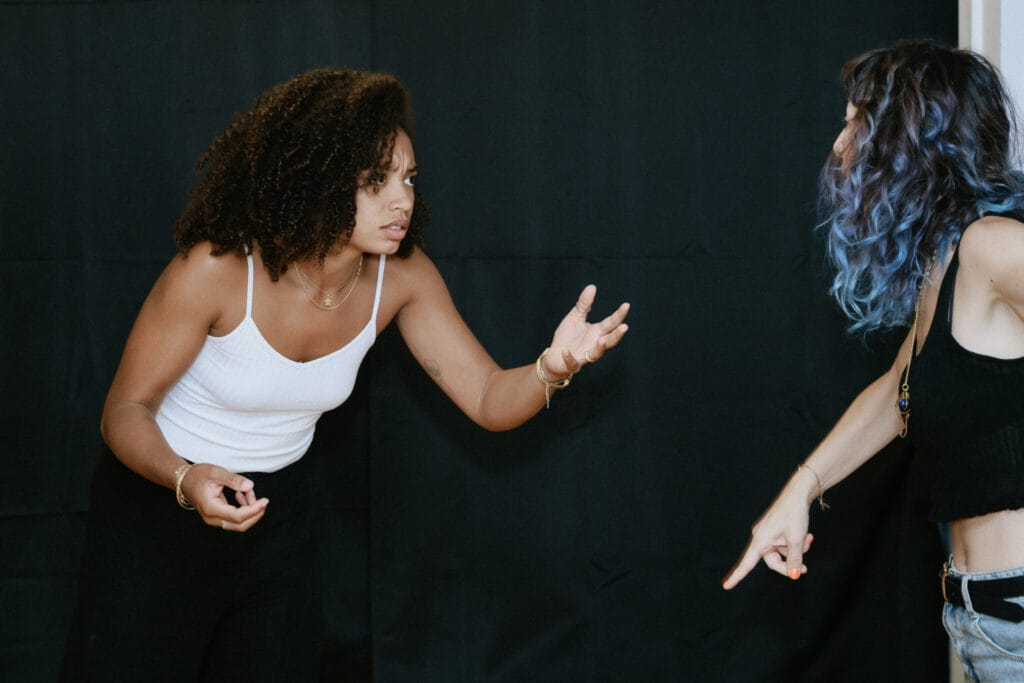
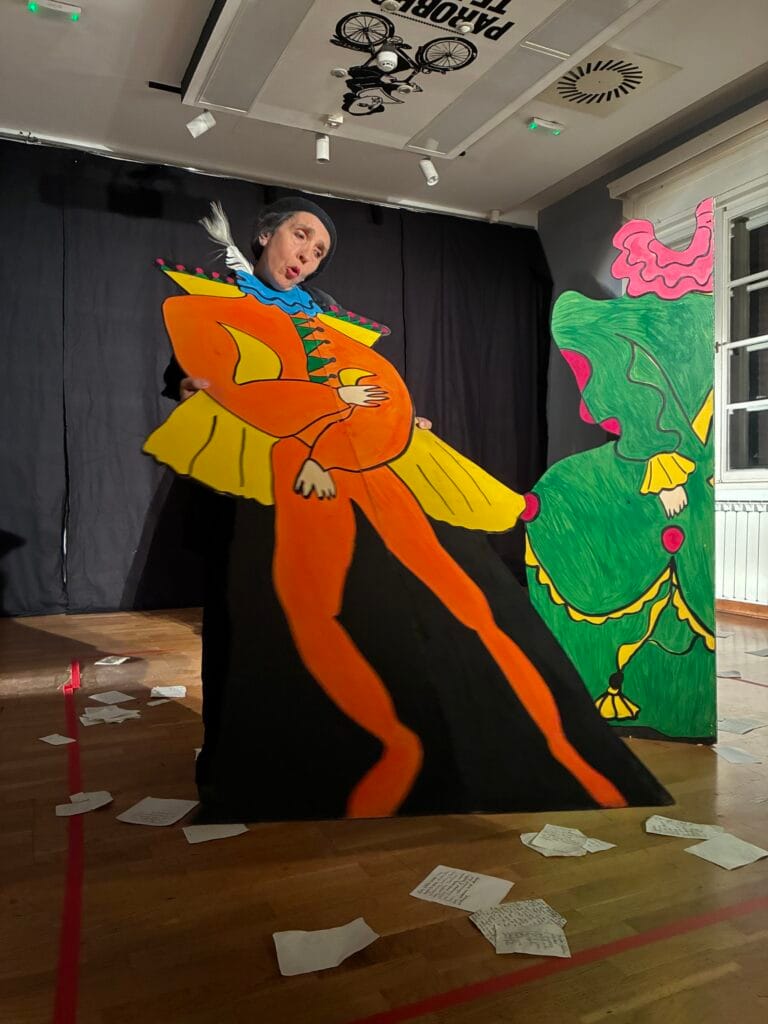
The final day focused on addressing experiences of gender-based violence through various theatrical techniques. Organised into small groups, the participants shared experiences relating to gender-based violence and transformed some of these into a collective theatrical scene. This exercise enabled them to view these experiences from new perspectives, foster shared reflection and explore how theatrical methodologies can become tools for support, healing and social change.
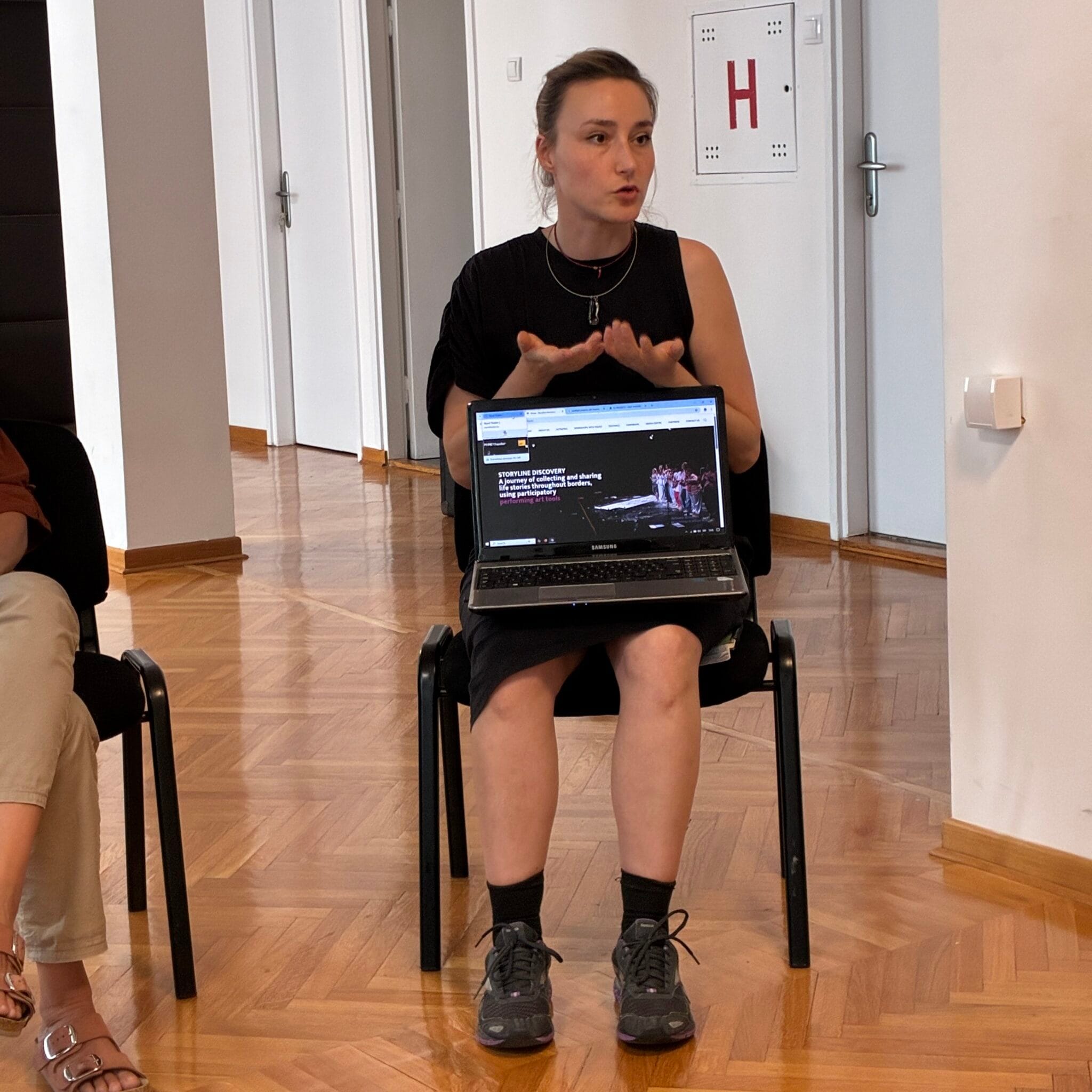
In addition to the practical training, the meeting provided an opportunity to address issues relating to the future roll-out of the pilot workshops in the various participating countries.
Art as a space for dialogue and raising awareness
The activity also included cultural initiatives designed to form part of the learning process itself.
Participants attended a screening of the documentary And God Created a Trans, directed by the Serbian filmmaker Simion Rakić, which chronicles the life stories of trans sex workers in Serbia and offers an insight into the challenges relating to identity, discrimination and human rights in a context marked by transphobia and homophobia. Following the screening, a discussion took place with the director, which provided an opportunity to explore the themes addressed by the film in greater depth and fostered a space for dialogue amongst the participants.
The group also attended a performance of Prisonwood – Meeting Djuna Barnes, a production by Auló Teatro and Teatro La Madrugada which revisits the figure of the writer Djuna Barnes to reflect on the many forms of violence against women, memory, resistance and the power of artistic creation as a tool for transformation.
Next steps
Following this training, ABD’s professionals will put the FADO methodology into practice by running pilot workshops in Spain, adapting the tools they have learnt to the contexts of working with survivors of gender-based violence.


YouTube
ABD presentation. Why do we do what we do?
Instagram
📢 Come to the Europe Day of the LILA project