
Organizations involved in the POWER initiative propose incorporating an intersectional approach into data collection, the training and awareness-raising of professionals, and the adaptation of prevention and support resources.
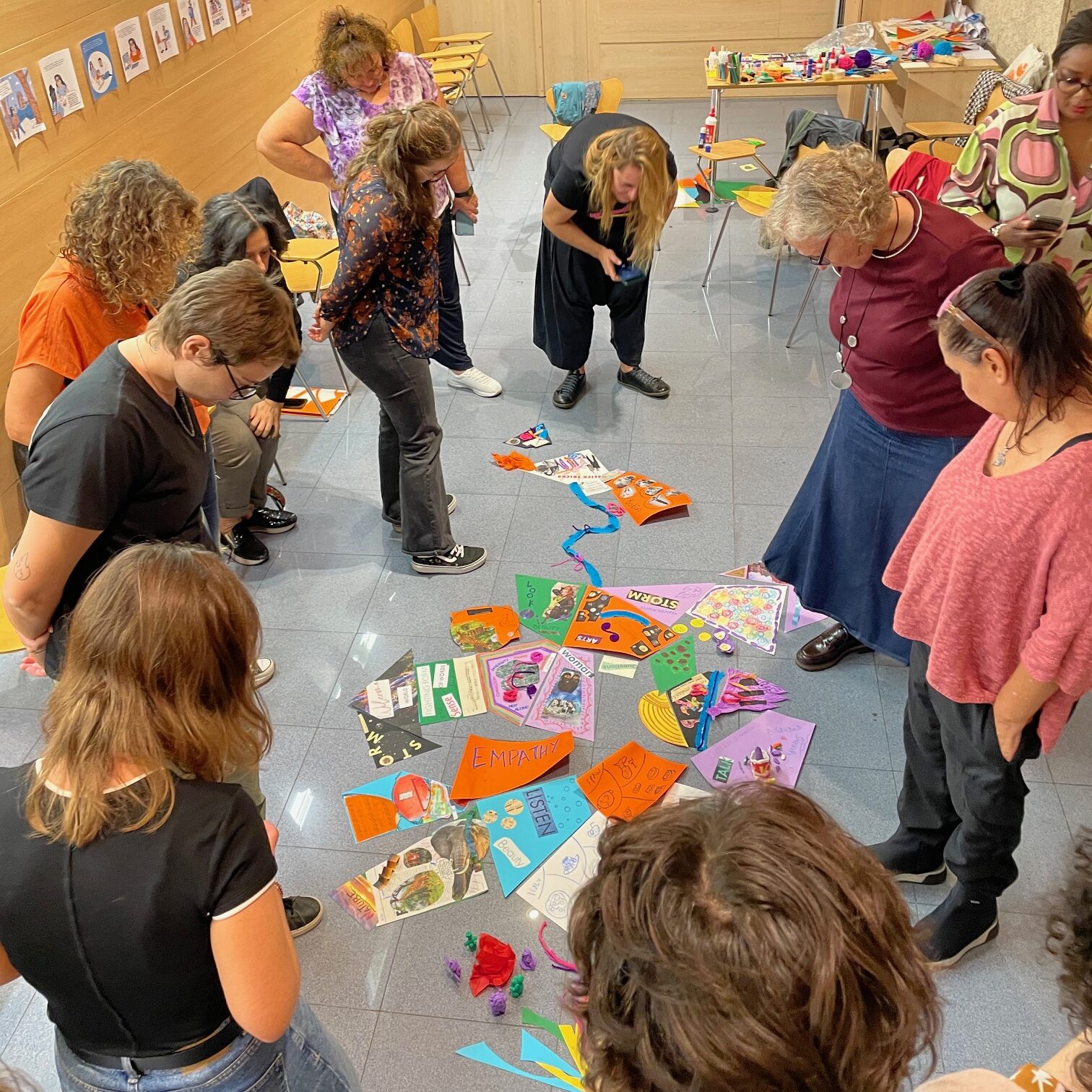
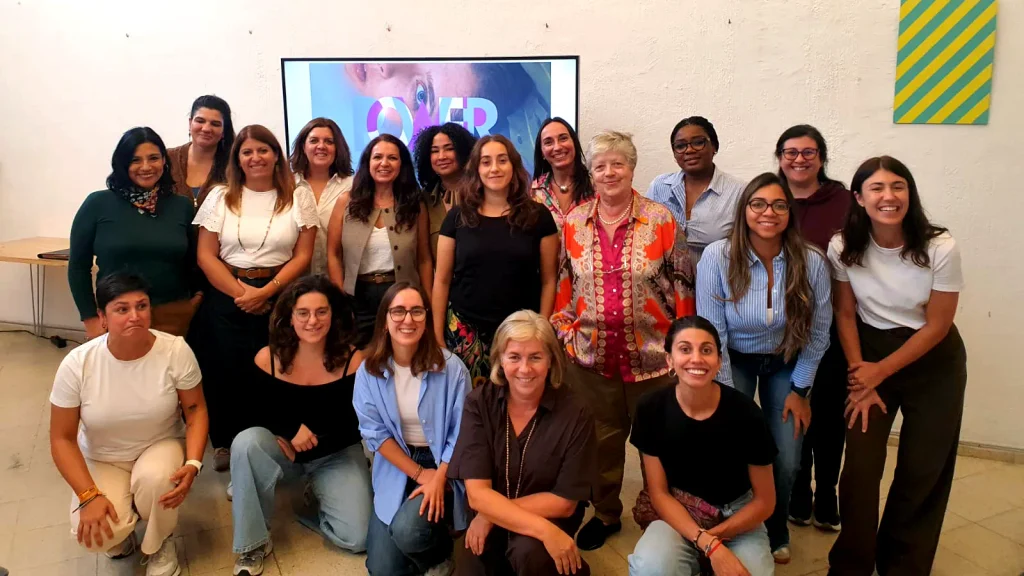
From mid-2025 to the end of 2026, the ABD Group implemented the European project POWER, aimed at strengthening Civil Society Organizations that work to prevent and stop gender-based violence. This was achieved through a strategy involving cascading project funding, training, and ongoing support for these organizations and collectives. The project was carried out in Italy, Greece, and Spain; in the latter, it provided support to 15 organizations across four areas of work: direct intervention with women and individuals currently or previously experiencing gender-based violence, training and capacity-building for professionals, research, and policy advocacy. “An intersectional perspective has made it possible to reach individuals who are often not at the center of mainstream gender-based violence support services,” explains project coordinator Catarina Alves.
Women who often remain out of the spotlight
Two of the projects funded and supported through the POWER call for proposals seek to bring about changes in policies regarding the response to gender-based violence against older women and women with rheumatic diseases—two groups that are typically rendered invisible, and for whom specific policies are being demanded.
“Women with rheumatic diseases face three barriers: being a woman, having a disability, and having a disability that is typically invisible.” This leads them to systematically experience institutional violence, observes Beatriz Mallén, a researcher for the project developed by Reu+ Lliga Reumatològica Catalana.
Almost 83% of women with rheumatic diseases, reached through the project, have experienced institutional violence within the healthcare system over the past year.
More than 70% of women suffer from depression or anxiety—mental health issues that arise not as a cause, but as a consequence of the institutional violence they are subjected to.
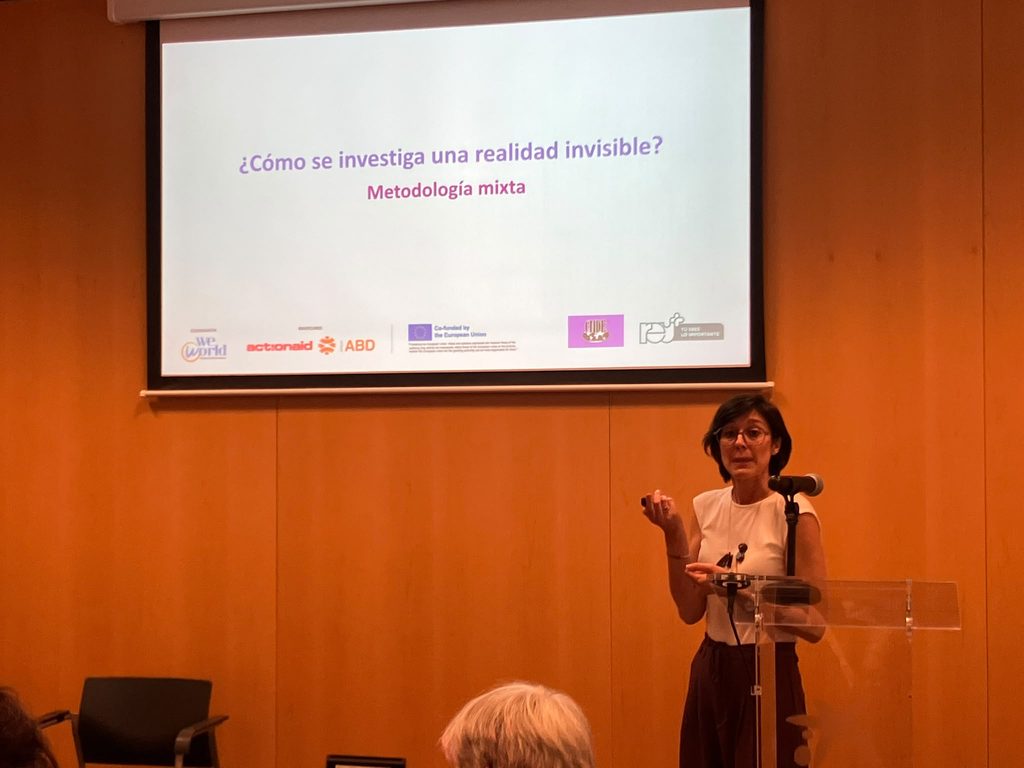
“These were just numbers that women would shout out,” explains Beatriz, but there was a need to collect data and identify these situations, because “what isn’t measured doesn’t exist, and what isn’t named doesn’t exist.” The data comes from consulting political actors, activists, the academic community, organizations that work with people with disabilities, and, of course, women themselves—all so that, from now on, these data cannot be ignored, the researcher notes.
The figure concerning the healthcare sector is significant, not only due to its scale but also because it is an area with which women with disabilities frequently interact—and where, consequently, one would expect a greater degree of training and awareness-raising. Similarly, the impact on mental health can be attributed to factors such as discrimination in the workplace, a lack of appropriate accommodations for rheumatic conditions, and delays in the formal recognition of disability.
In the context of gender-based violence, other factors must be taken into account. For instance, there is the issue of women’s autonomy when they are being cared for by their partners or family members—especially when the violence originates from those very individuals. Other factors include economic dependence while awaiting the recognition of a disability; being on medical leave or an extended leave of absence and unable to work; living in a home that is not a safe space; or having elderly people or children in one’s care—meaning these women are both in need of care themselves and acting as caregivers for others. “These are layers that accumulate, and we are not paying them the attention we should,” summarizes Mallén.
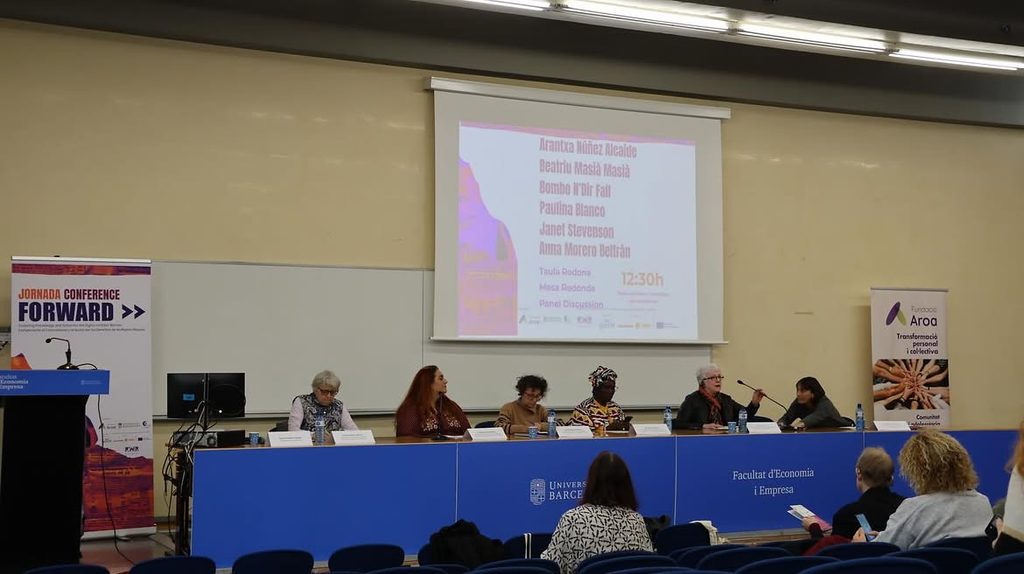
The Forward project, from the Aroa Foundation, stems from the need to conduct research into gender-based violence against older women. “Because of the lack of awareness and the invisibility [of the issue], and to ensure that the research is applied toward advocacy,” explains Neus Pociello, coordinator of advocacy and women’s human rights projects.
In the case of older women, there is a “very clearly identified” reality; there are many studies and a wealth of information available, and the goal was to gather and share this material for the purpose of multi-level policy advocacy, explains Pociello.
31% of women in the European Union are over the age of 65 and face, at the very least, a twofold form of discrimination: “based on being women and on being of a certain age,” the project coordinator explains. Furthermore, she adds, “other factors come into play, such as origin, sexual orientation, health status, disability, and so on.”
The first challenge, she notes, is that policies are designed as a “one-size-fits-all” approach, lacking a specific framework. “We have a framework for gender-based violence, but where do older women fit in? Are they merely an addendum—a mention of ‘throughout the entire lifespan’ or a note saying ‘including older women’?” Pociello points out. “There is no cross-cutting integration of a life-course perspective within the mechanisms designed to guarantee women’s rights; likewise, there is no such gender perspective integrated into the few existing mechanisms for addressing the mistreatment of older people—even though such mistreatment can, in fact, constitute gender-based violence,” she explains.
Another challenge is the lack of disaggregated data—specifically, the invisibility and underrepresentation of these women in statistics and surveys concerning gender-based violence. For instance, the major European survey on gender-based violence only includes women up to the age of 74, while many information-recording systems used by support services for women group everyone “over 65” into a single category—making it difficult to determine the specific situation of women beyond that age. “This is a structural gap, and it constitutes institutional violence,” she asserts.
“There are certain types of gender-based violence experienced by women—amplified by the factor of age—that are not captured within the existing framework for gender-based violence,” notes Pociello. “Instead, they fall under the framework concerning the mistreatment of older people or the rights of older people,” she explains. At the same time, this latter framework “lacks a gender perspective,” which creates a “dilemma” regarding whether such instances should be classified as gender-based violence or as the mistreatment of older people. These situations can include neglect, the violation of the right to privacy, and so on.
Older women also face both structural and individual barriers when it comes to prevention, awareness-raising, and the right to escape gender-based violence. For instance, the RAI—a social benefit for women experiencing gender-based violence—requires recipients to be of working age. Furthermore, economic abuse is often particularly severe for older women due to a cumulative effect over the course of their lives, manifesting in ways such as the stripping of assets or the control of their bank accounts.
And, naturally, in the realm of political and social participation, older women are rarely heard, represented, or taken into account.
Both point to the need to systematically incorporate a gender perspective across all spheres—academic, professional, social, etc.—and at every stage—from education and awareness-raising to service provision—while adopting an intersectional approach. This means taking into account women’s specific circumstances, such as their age, health status, economic situation, background, and so on; it requires moving away from working in “silos” and, instead, adopting a more coordinated approach.
Proposals for structural changes
The goal of both projects—beyond simply highlighting the issue—is to develop proposals to improve the care and treatment that older women and women with rheumatic diseases receive when facing gender-based violence. The underlying concern is that the current trend toward “one-size-fits-all” policies fails to account for the specific circumstances and needs of many women.
Thus, they offer a few recommendations:
- Greater training and awareness-raising: among healthcare and workplace professionals, and within the legal sphere.
- Review the disability assessment system, given its slow pace and its failure to account for the specific characteristics of each type of disability.
- Workplace adaptation: allowing for greater flexibility—for instance, understanding when a woman cannot come to work due to a rheumatic flare-up, or when she is unable to go through the formal process of obtaining a medical leave certificate—and adjusting expectations regarding her presence and performance. Reviewing the use of medical and other types of leave, given their economic impact.
- Having data disaggregated by sex, gender, age, socioeconomic status, dependency status, and other factors that help reveal the intersectionality that shapes each individual’s experience.
- Take advantage of opportunities for international advocacy. For instance, the drafting process for a future International Convention on the Human Rights of Older People is currently underway, and there is an open public consultation to which organizations working on gender-based violence against older women can contribute. Given the lack of a framework to guarantee the rights of older persons, it is essential to integrate a life-course perspective into the approach to gender-based violence, and a feminist perspective into the framework for the rights of elderly people.
- Adapt risk detection and assessment tools. Current instruments for assessing gender-based violence fail to identify the specific types of violence or risks faced by older women. This leads to under-detection—for instance, within the healthcare sector—driven by ageist preconceptions. Examples of this include the assumption among professionals that it is harder for an older person to escape a situation of gender-based violence, or instances where professionals address the older person’s adult children or companions instead of the individual herself, use diminutive forms of address, or raise their voices—even when the person has no hearing impairment.
- Protection and reparation: Equitable criteria to facilitate access to resources and services, ensuring the upholding of rights. This is an issue for older women, who are often referred to residential care facilities—not because that is the most appropriate setting, but because there is an insufficient number of shelters for women who have experienced gender-based violence, or because priority is given to the rights of children or younger women.
- Intersectional perspective: A narrow view of gender-based violence often obscures the forms of violence that women may encounter as they age or if they have rheumatic diseases. For instance, there is a selective filter regarding the types of gender-based violence that older women are assumed—or not assumed—to experience; in reality, they face the same forms of violence as women at any other stage of life. They experience sexual violence, not only within intimate partnerships but also within the broader community. They also face violations of their sexual and reproductive rights—for example, when certain diagnostic screening tests are subject to age limits.
- Participation: Both in the design and conception of awareness-raising campaigns, and in the development and dissemination of policy proposals.
- Approach, due diligence, and alliances: These encourage moving away from working in a fragmented and isolated manner, and instead improving coordination. This includes the participation of professionals from various fields (such as gender-based violence, healthcare, and issues concerning the elderly) within different working spaces, as well as the formation of alliances between movements and organizations across diverse sectors.
See the policy recommendations here:
Strengthening of entities
The POWER project falls under the CERV (Citizens, Equality, Rights and Values) programme, which aims to protect and promote the EU’s fundamental rights and democratic values. In practice, it has provided financial support, as well as training and guidance, to enable grassroots organisations to design and implement projects based on these values.
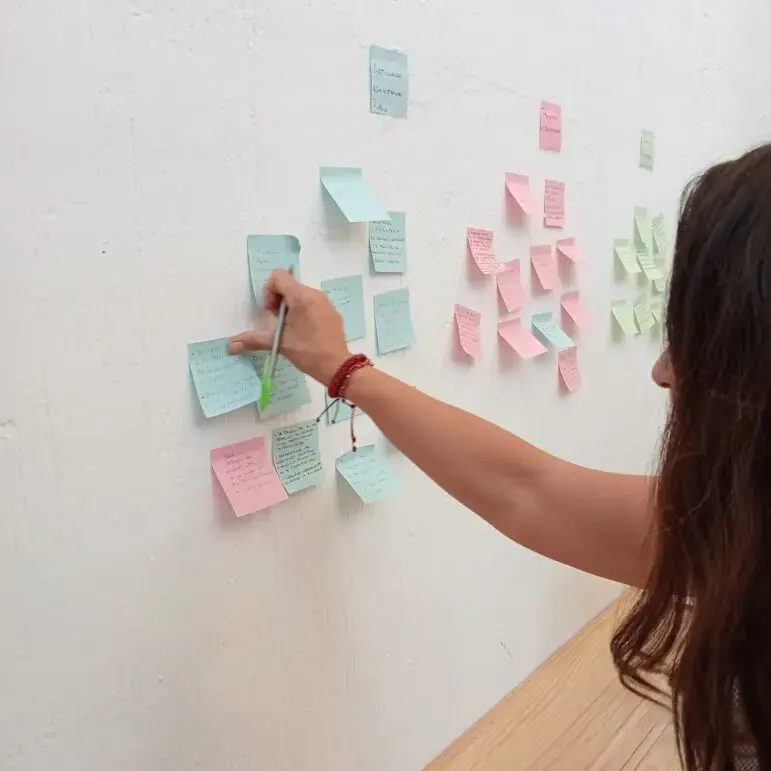
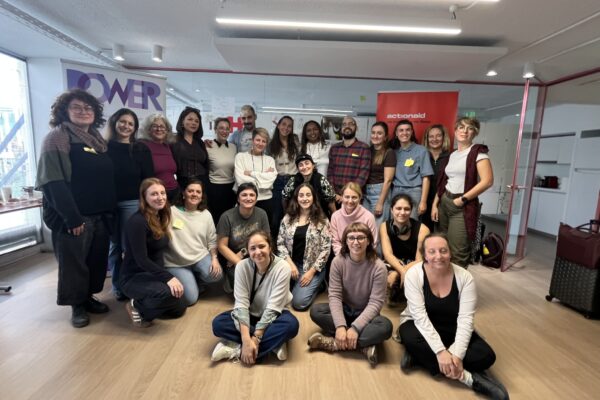
In total, 59 entities applied to the POWER call for proposals, which provided funding for 15 projects across four thematic areas. Beyond implementing their projects, these entities have had the opportunity to meet both nationally and internationally—fostering networking, identifying synergies, designing joint projects, and refining their methodologies. The goal is to “empower these entities, enhancing their ability to develop and submit project proposals, including those for European-level initiatives,” explains Catarina Alves. This also contributes to the long-term sustainability of the entities, as they gain the capacity to remain active in submitting project proposals—even for European funding opportunities.
Another key aspect has been the incorporation of an intersectional perspective, which has made it possible to support diverse projects focused on migrant women, women in rural areas, older women or women with disabilities, cyberviolence, and raising awareness among young people.
Next steps – CoPower Call
This “cascading” funding methodology, which incorporates an intersectional feminist perspective, is also a feature of the CoPower call for proposals. The first round of project selection has just concluded, and the second call will open on December 1st. It includes two areas of intervention: one aimed at improving protection responses for women and girls who are victims of gender-based violence—applying an intersectional approach—and another focused on reducing harmful practices, defined as forms of gender-based violence and human rights violations that pose a serious risk to the health and rights of women, youngsters, and girls.
Furthermore, throughout 2027, a transnational call for proposals will be launched, enabling entities from Spain and Romania to develop joint projects and “break down the barrier of thinking that violence occurs according to the legislation of each individual country,” concludes Catarina Alves, the project coordinator for ABD.


YouTube
ABD presentation. Why do we do what we do?
Instagram
📢 Come to the Europe Day of the LILA project