
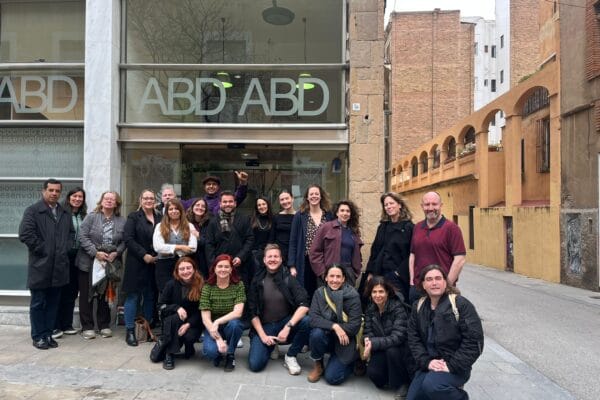
The project, coordinated by the ABD Group, promotes horizontal, cross-sectoral dialogue and recognition of the skills and experiences of migrant people
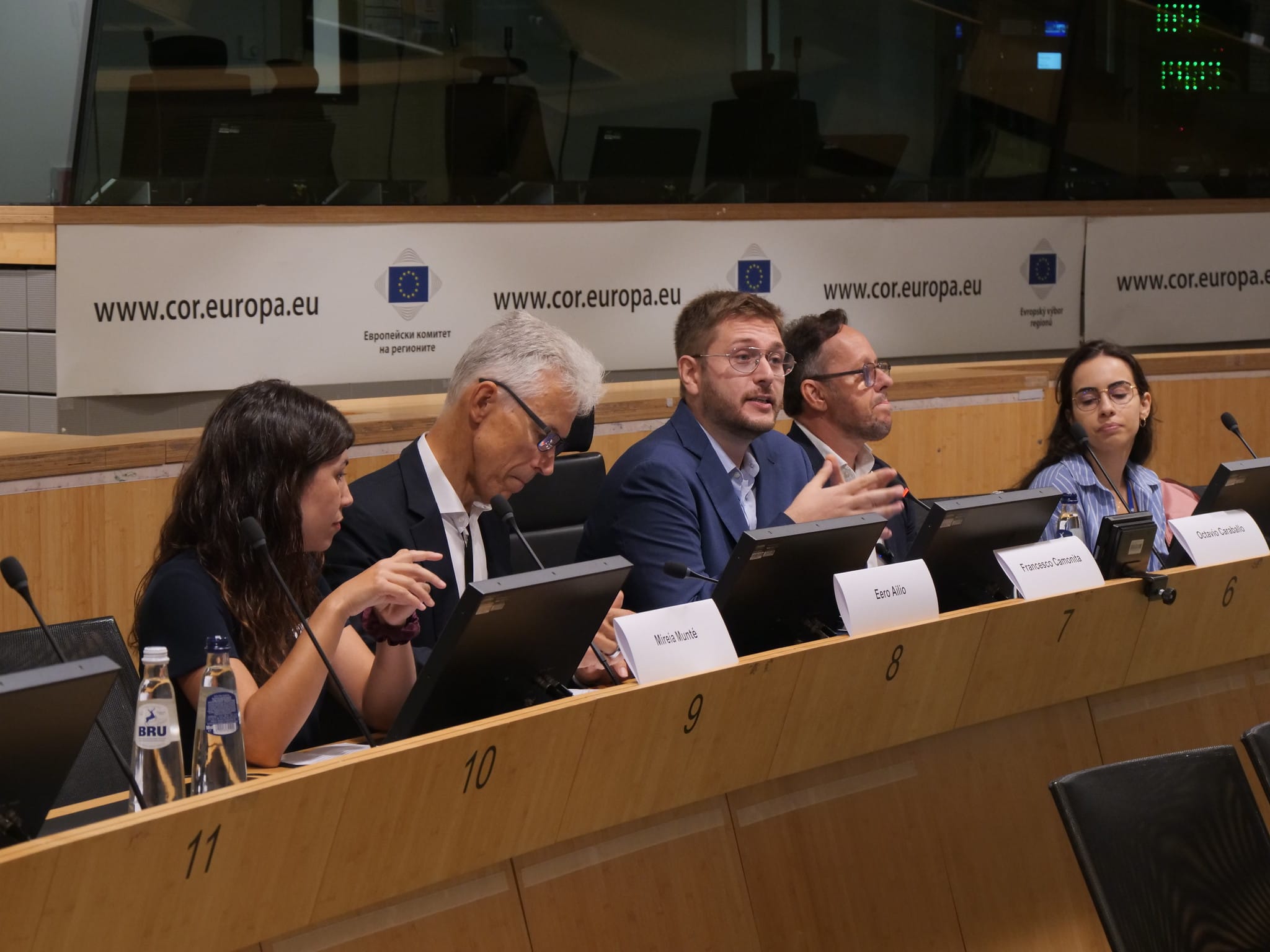
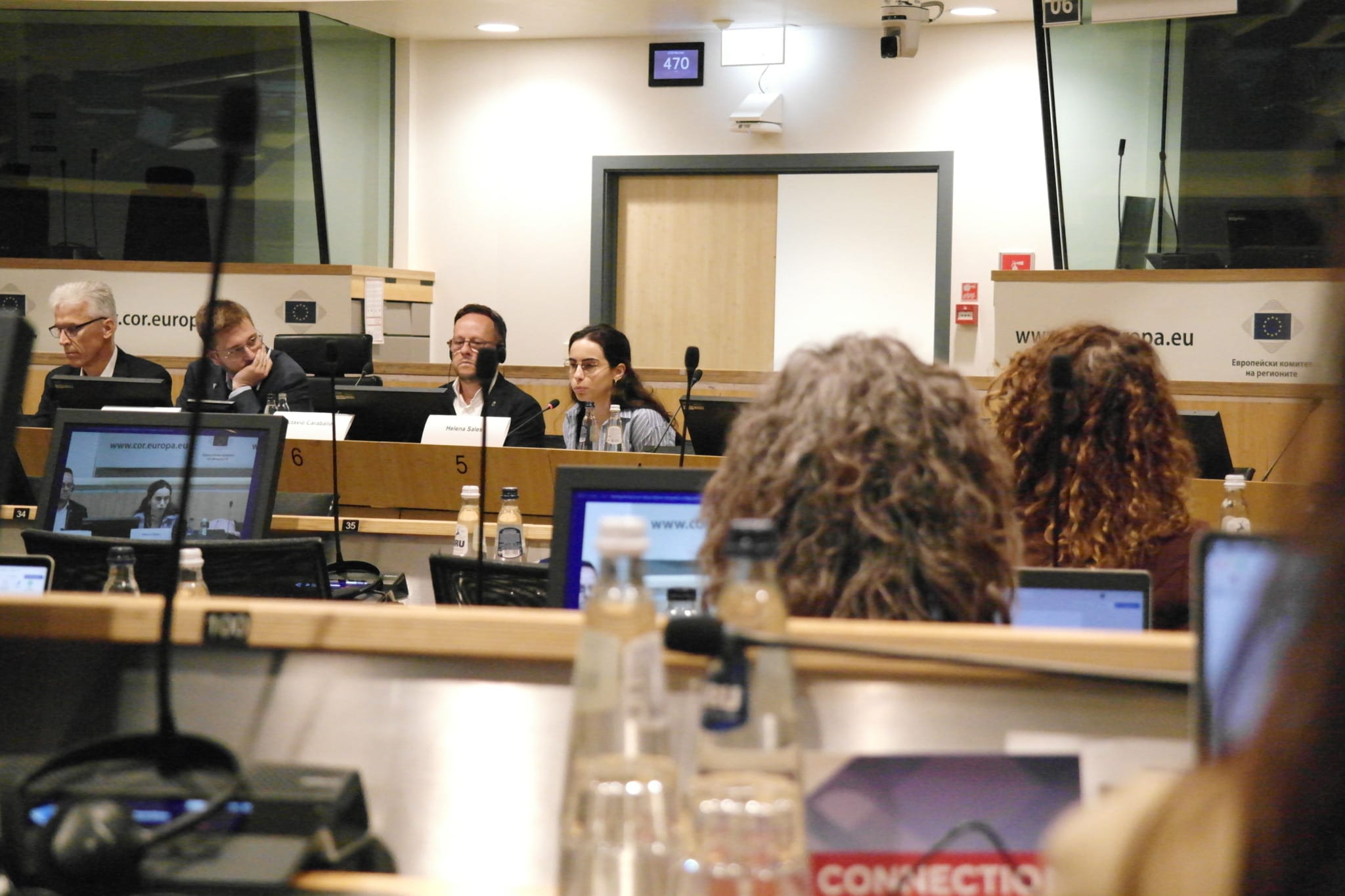
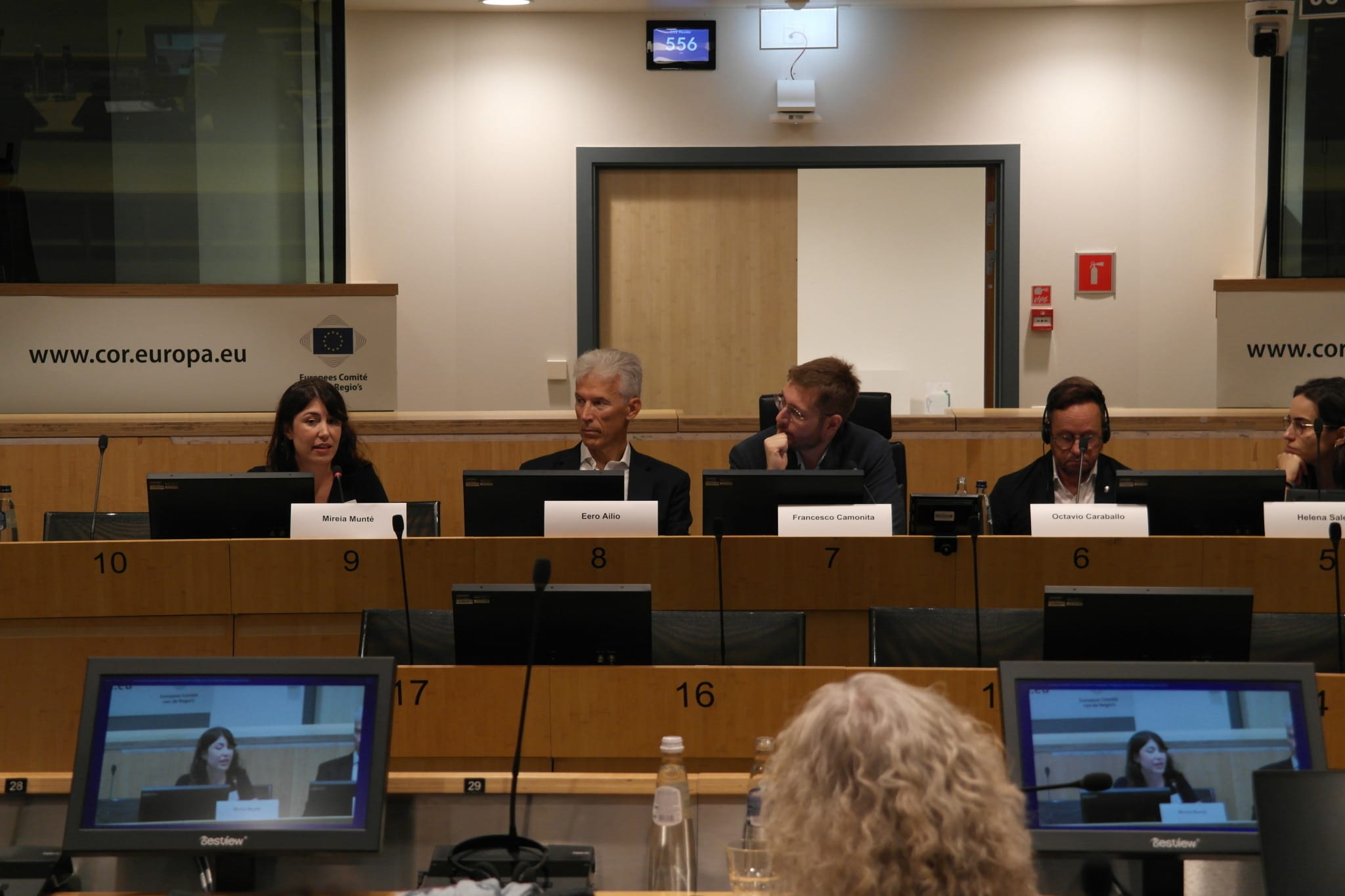
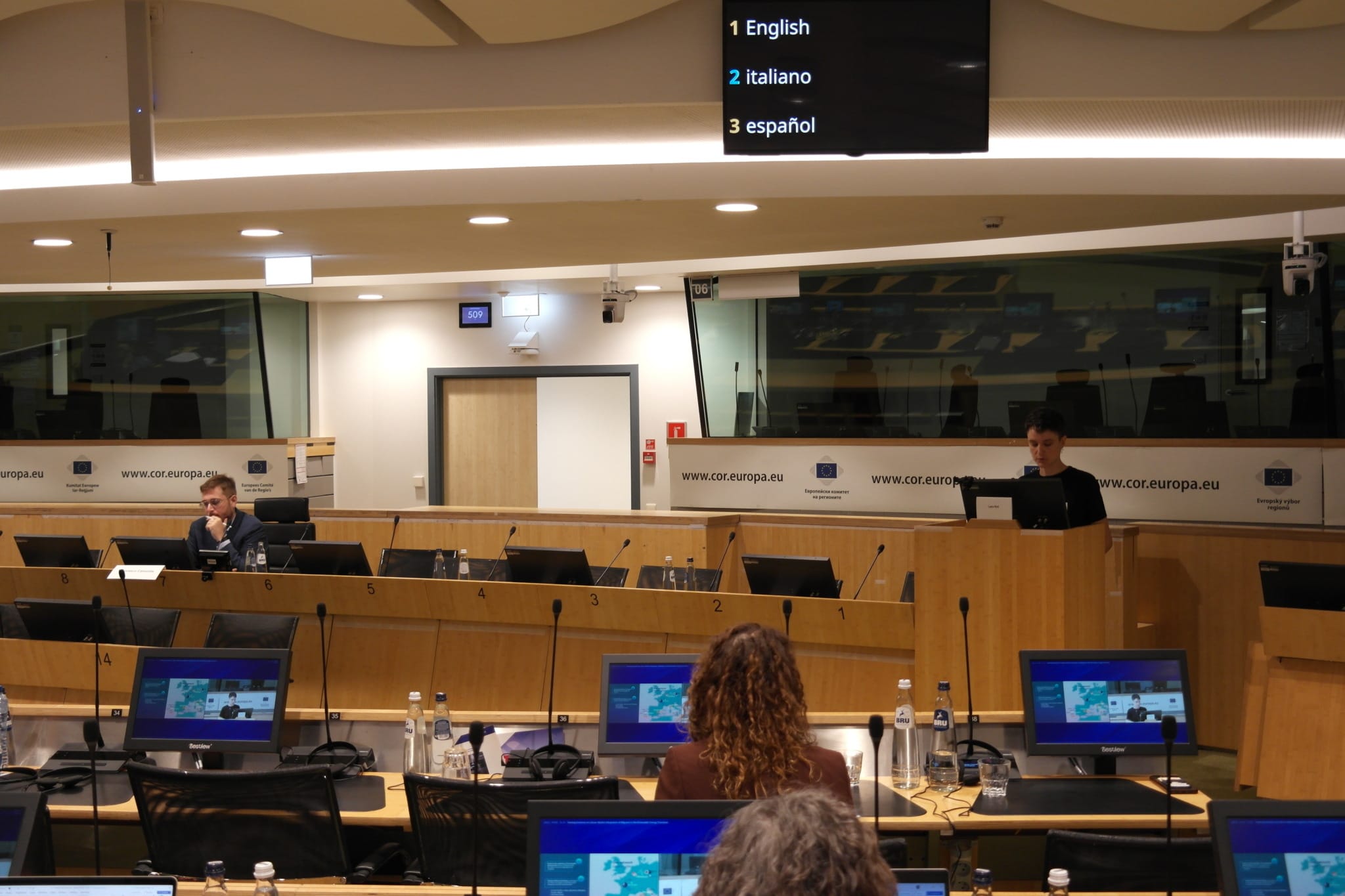
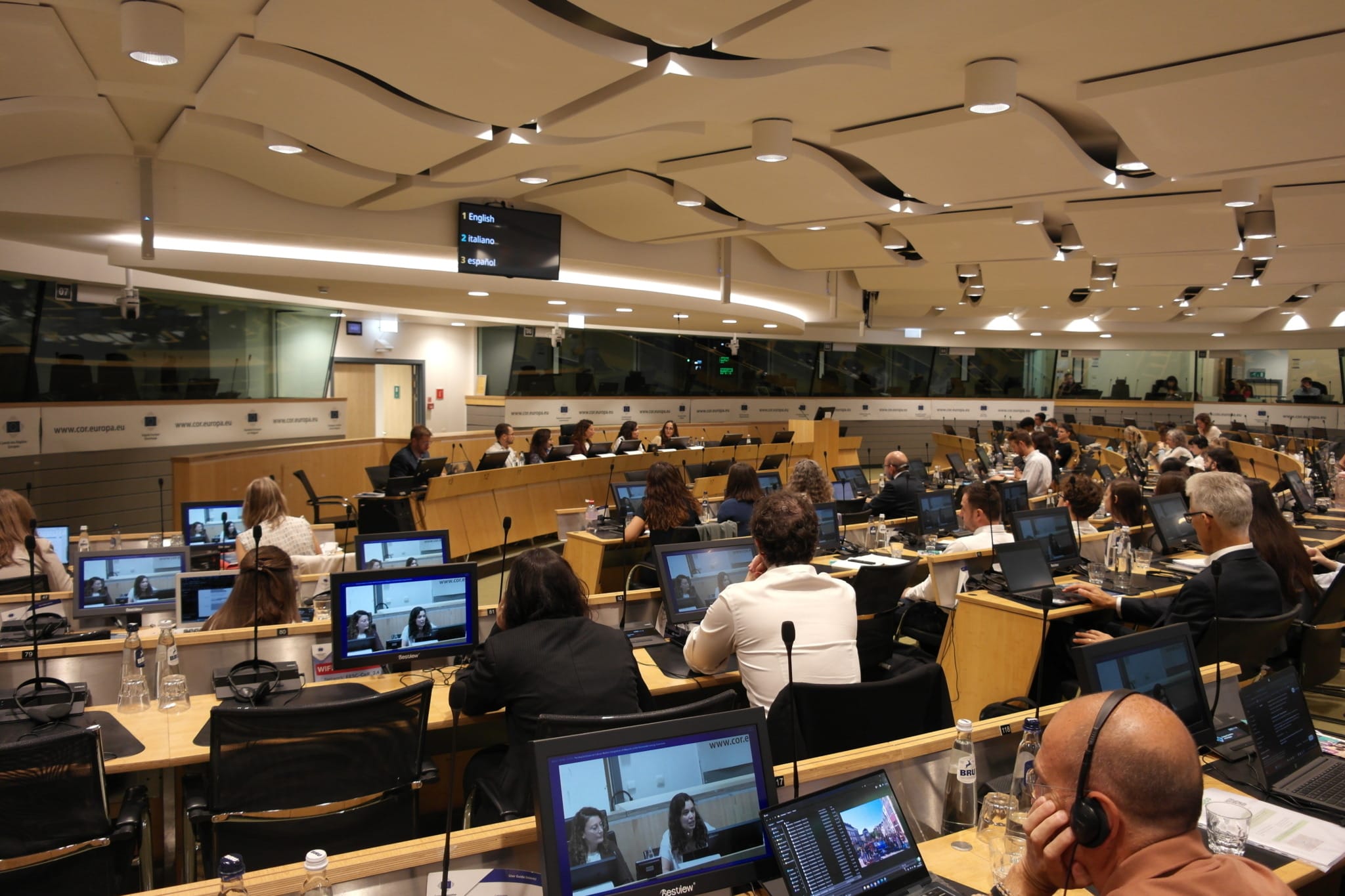
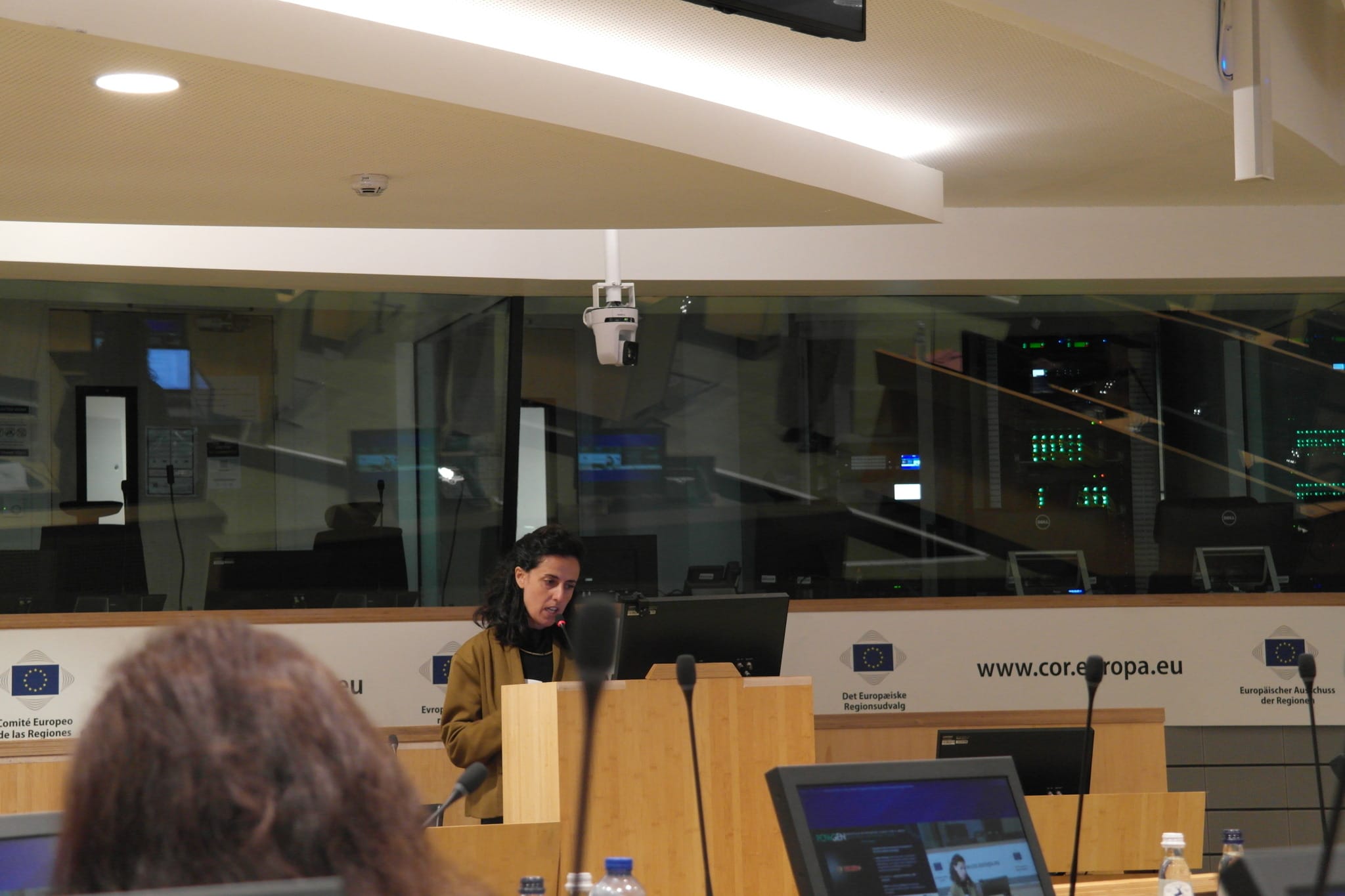
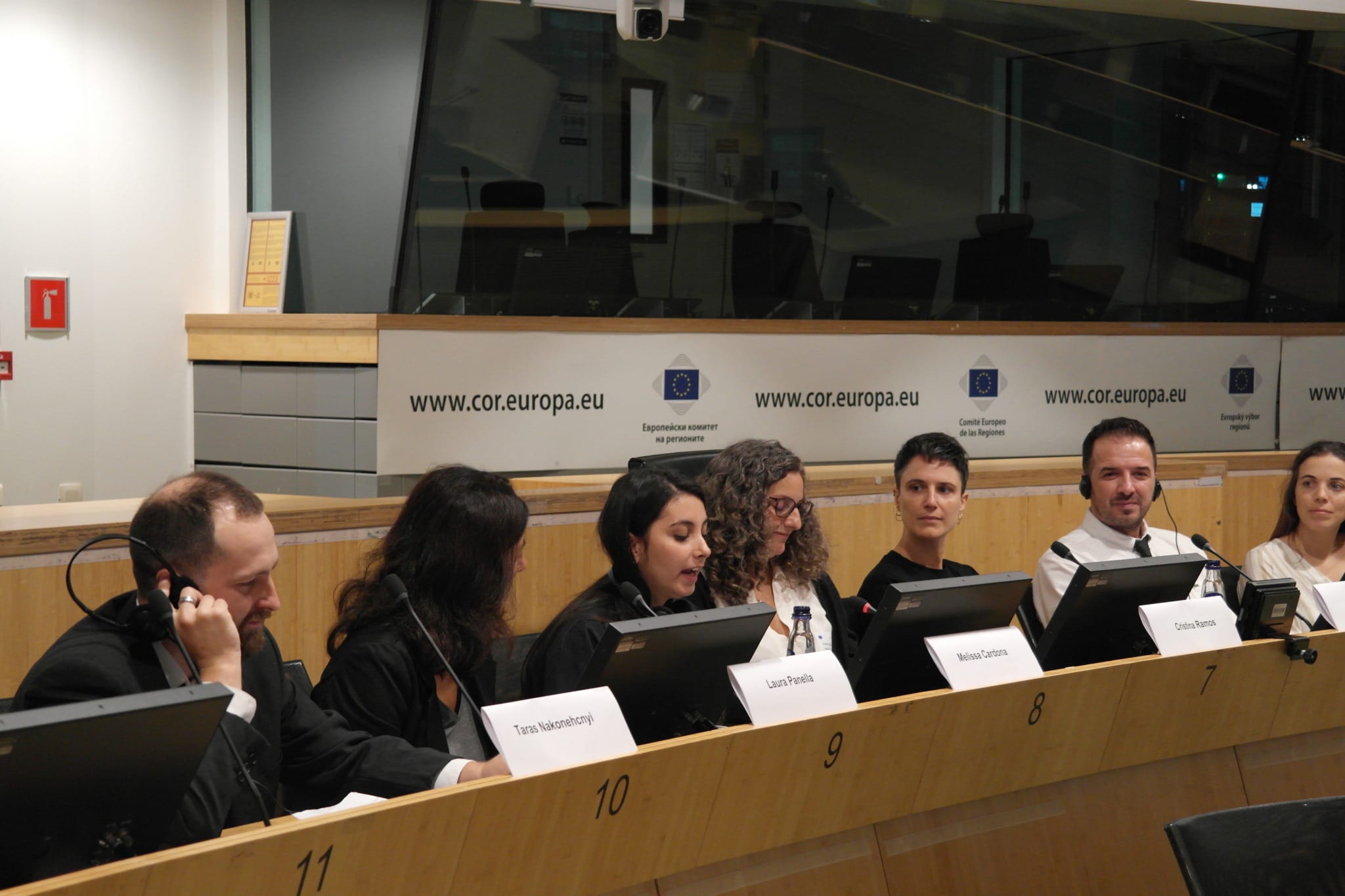
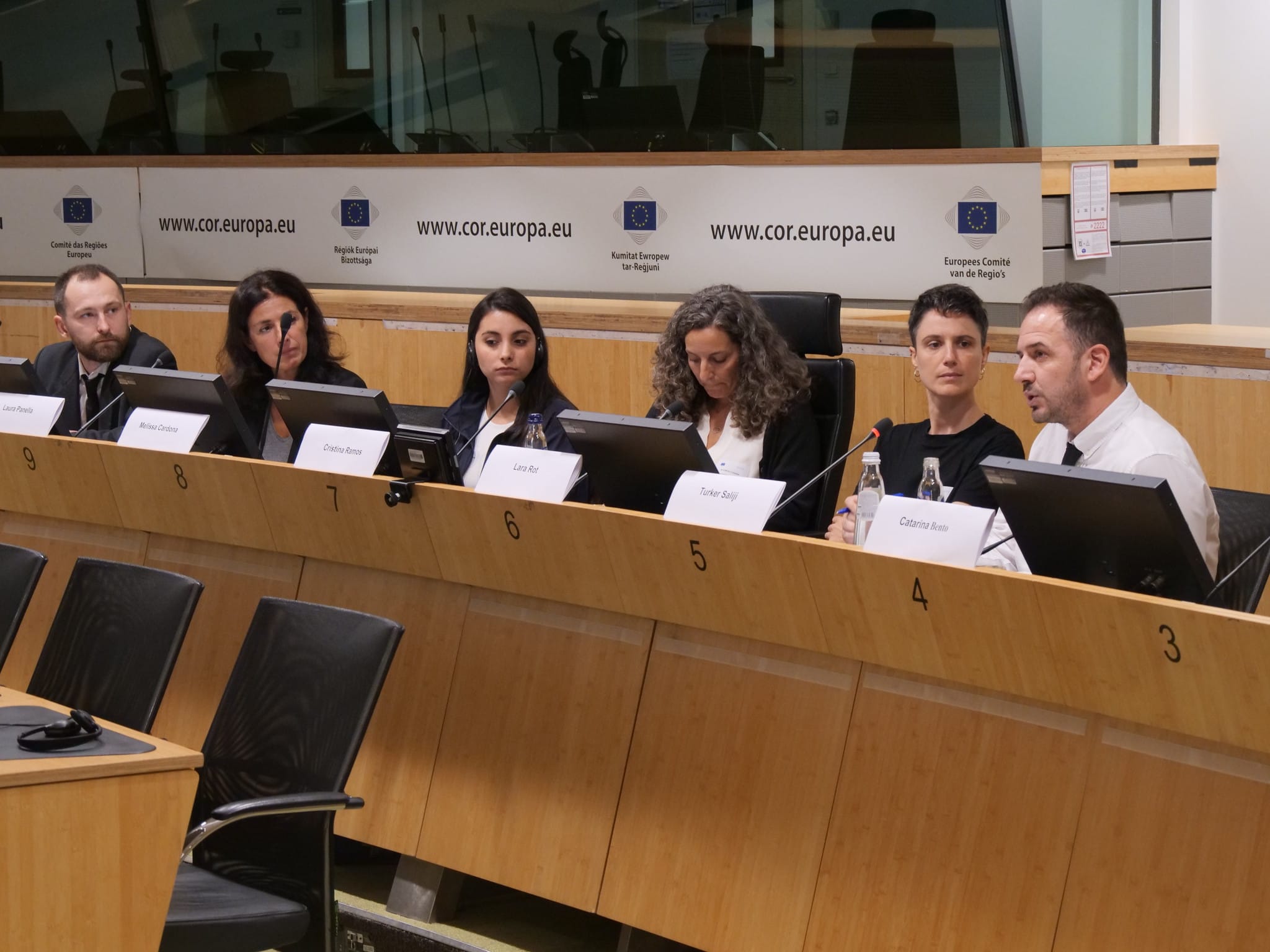
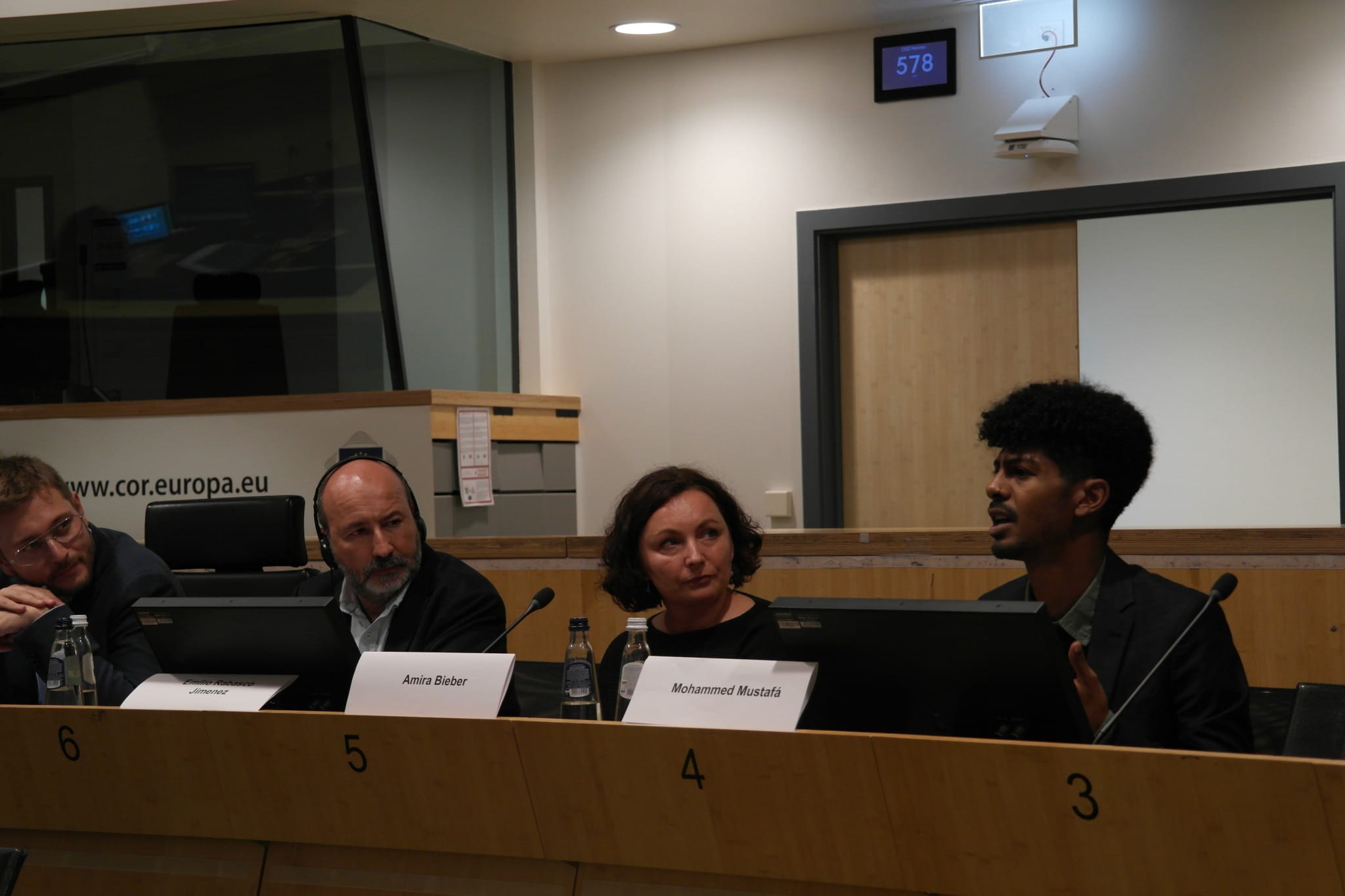
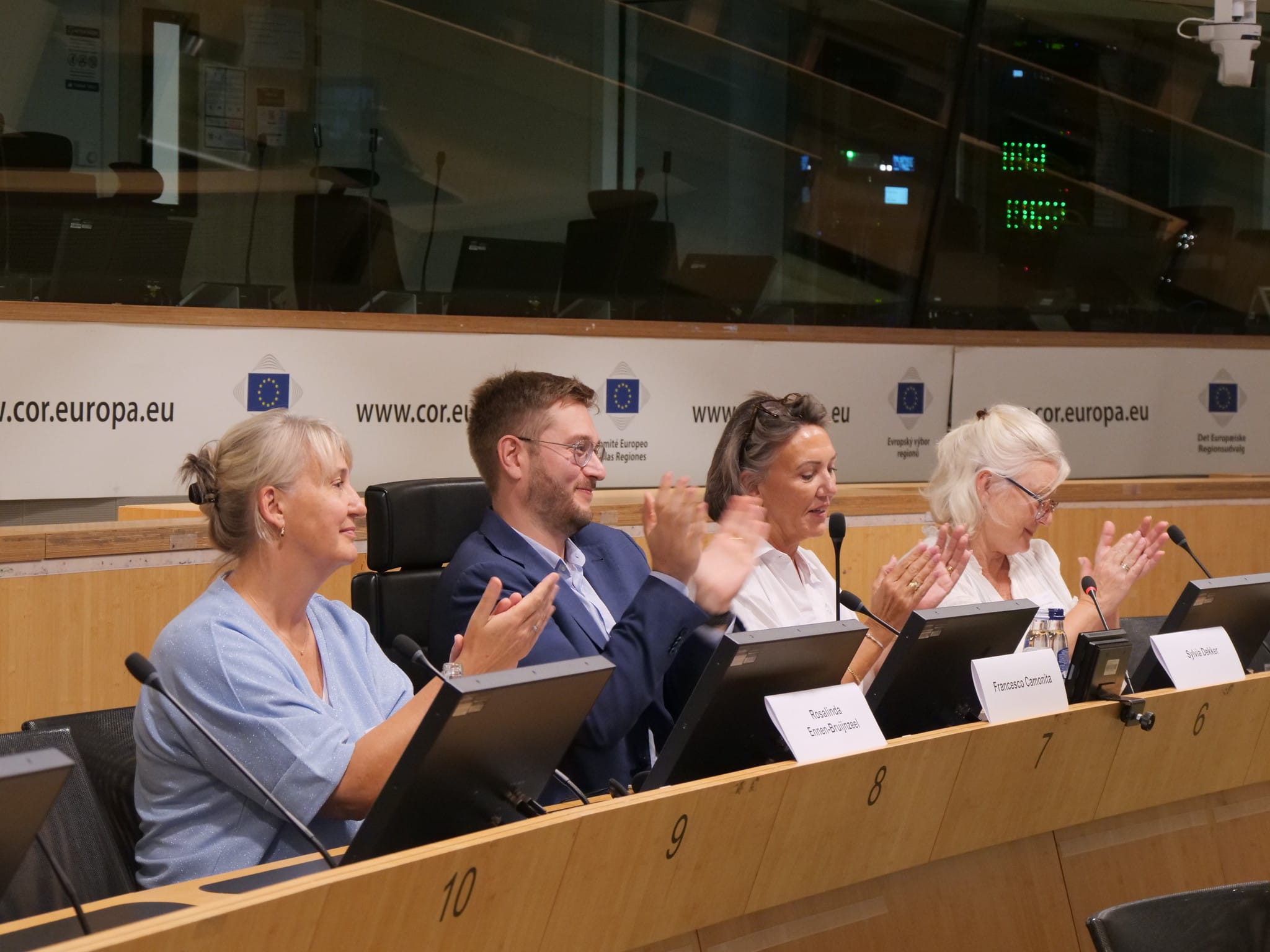
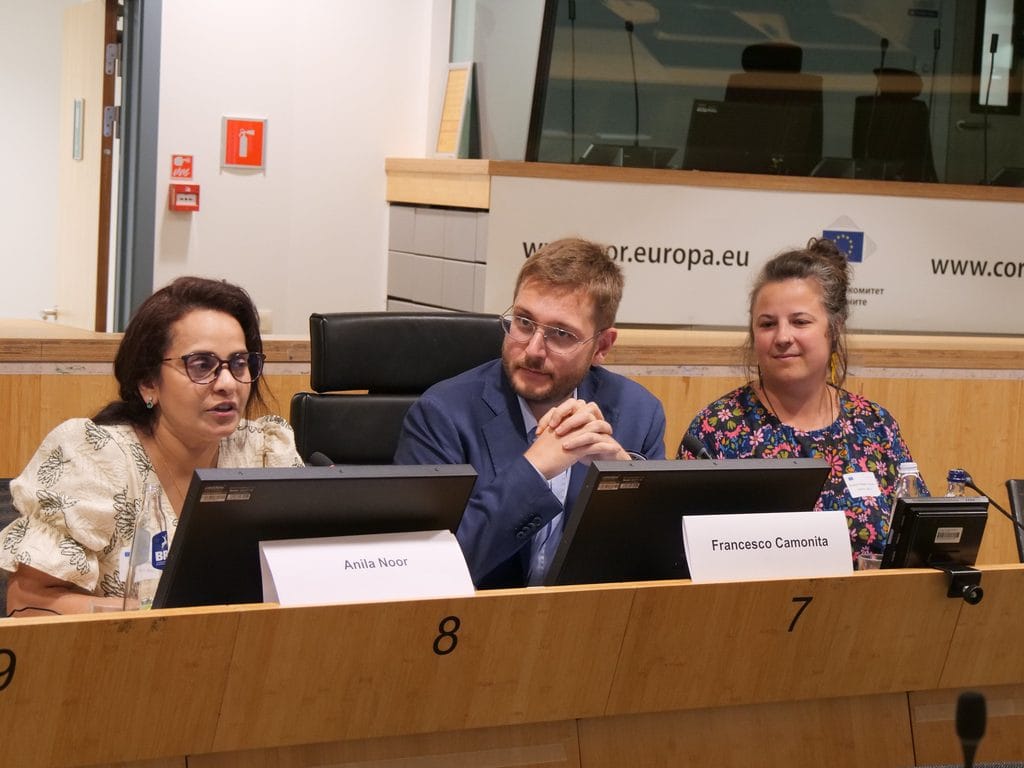
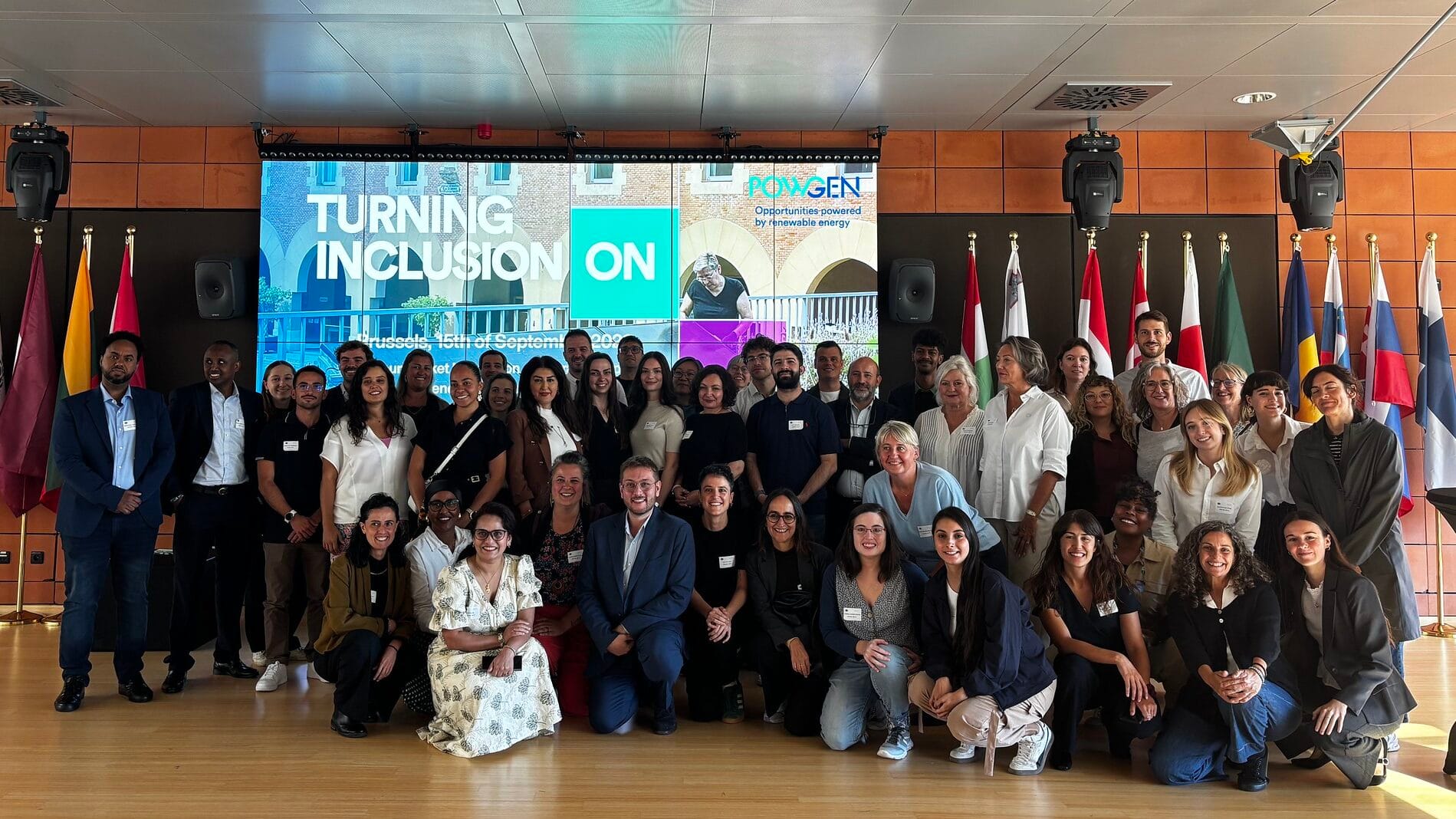
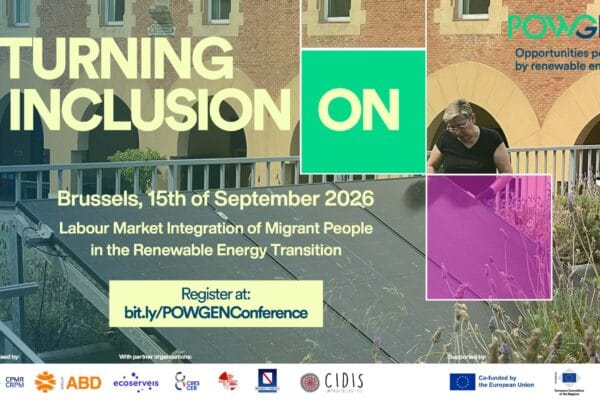
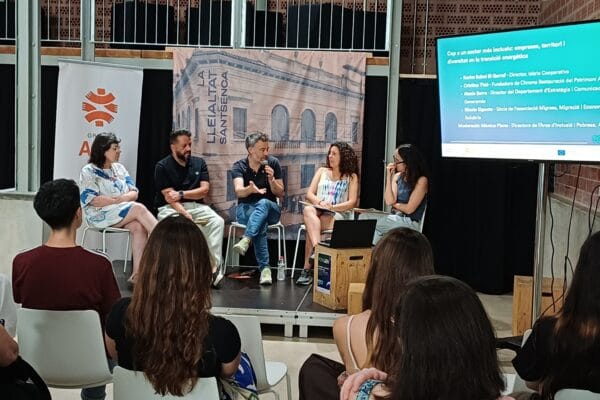
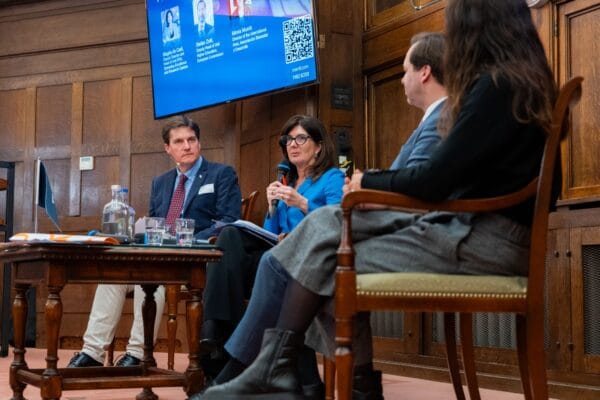
On September 15, POWGEN project brought together more than 70 people at its final conference held at the European Committee of the Regions (CoR). Titled “Turning Inclusion On: Labour Market Integration of Migrant People in the Renewable Energy Transition”, the event featured representatives from European institutions, local and regional authorities, social organizations, employment services, and the renewable energy sector, as well as the project’s partner organizations.
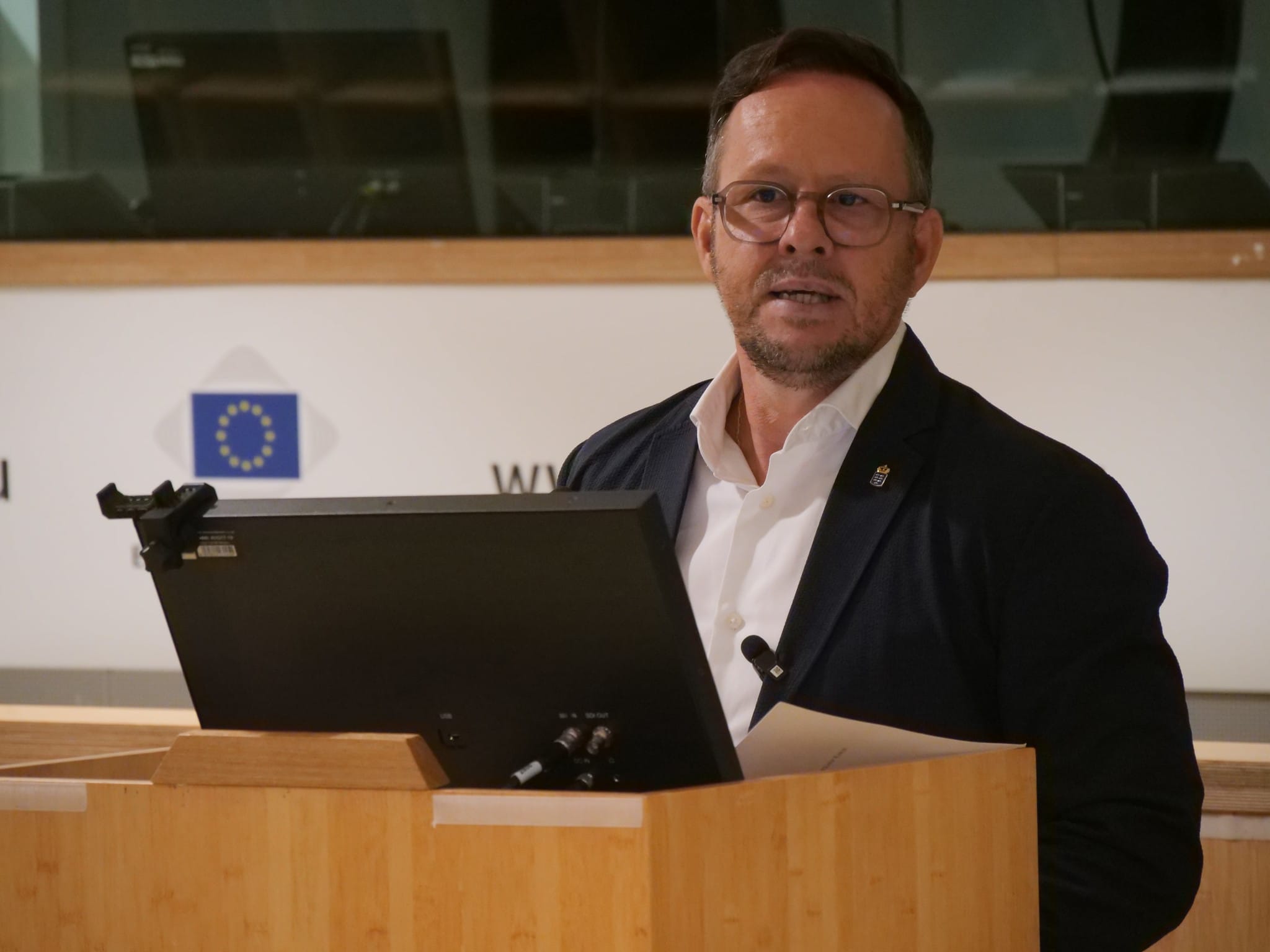
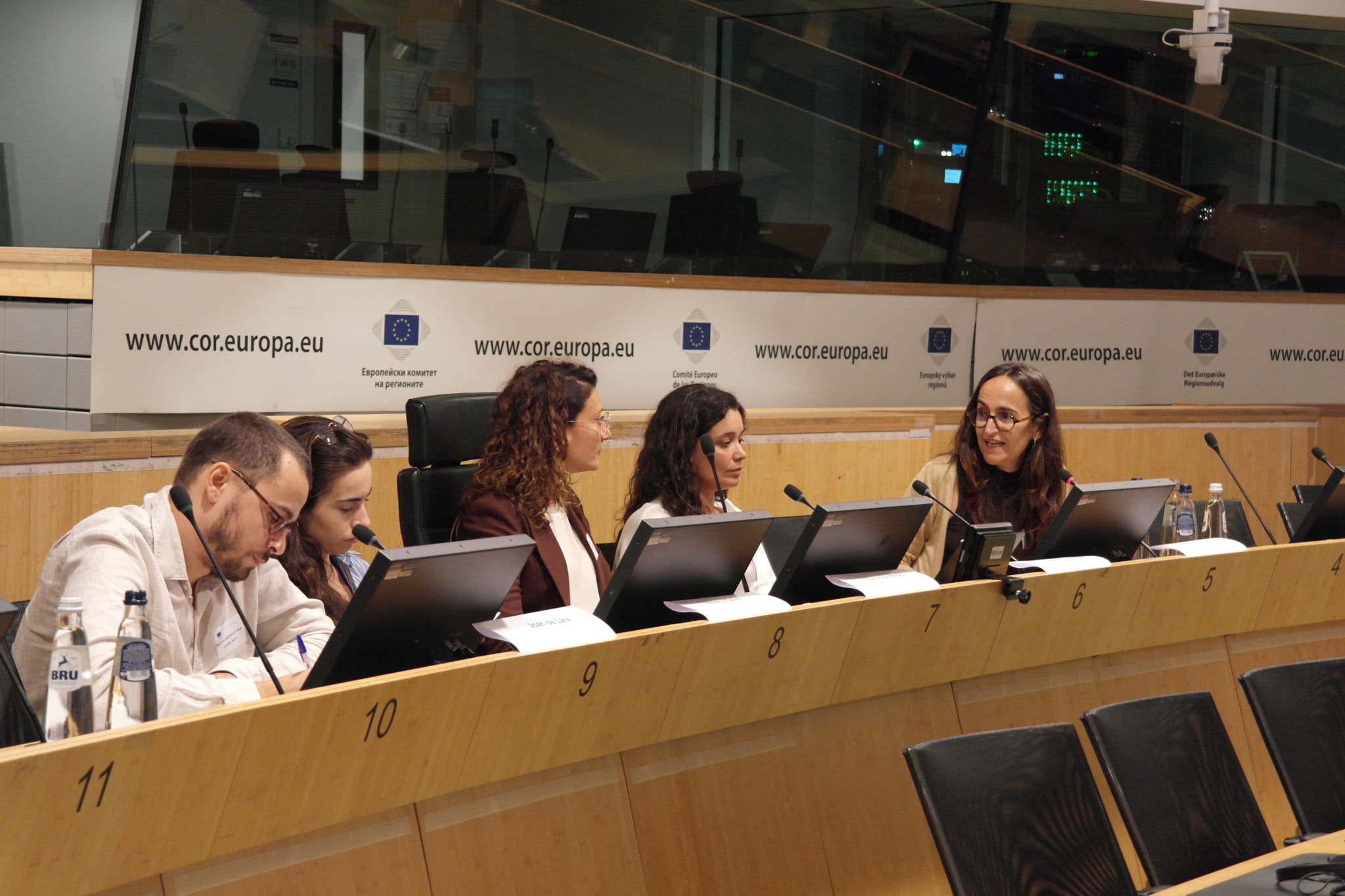
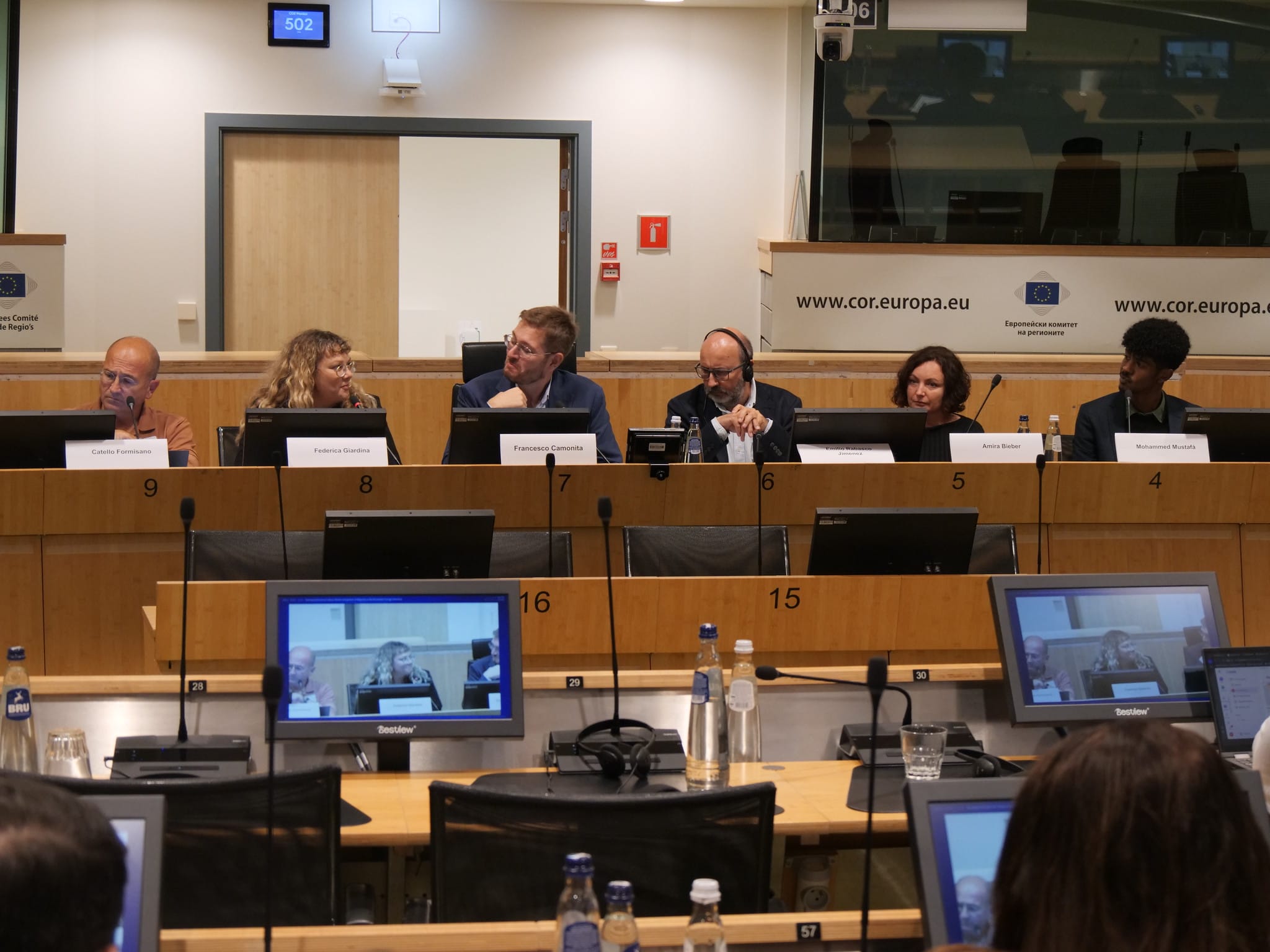
Octavio Caraballo, Deputy Advisor to the Office of the President of the Canary Islands and Vice Chair of the CPMR’s Migration Task Force, opened the session by advocating for a more humane approach to migration and highlighting the importance of local and regional governments in implementing European policies. The first panel also featured Helena Sales, Policy Officer in the Legal Pathways and Mobility Unit of the European Commission’s Directorate-General for Migration and Home Affairs (DG HOME); Eero Ailio, Advisor on Energy Transition and Local Governance at the European Commission’s Directorate-General for Energy (DG ENERGY); as well as Francesco Camonita, Policy and Projects Officer at the CPMR; and Mireia Munté, Director of the International Department at ABD, who were responsible for organizing the event.
Representatives from organizations and institutions such as MedCities, Regione Campania, ALDA Migration Hub, FAMSI, New Women Connectors (NWC), the Institute for European Energy and Climate Policy (IEECP), the General Directorate of Migration and Refugee Affairs of the Catalan Government and representatives from the province of Noord-Holland and Werkom, who are responsible for replicating the project in this region of the Netherlands.
Results of the POWGEN Implementation
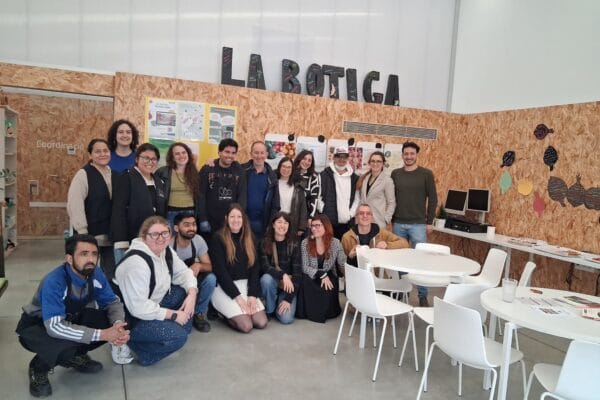
The conference served to present the results of the project coordinated by the ABD Group after two years of implementation in Lisbon, Perugia, Naples, Offenbach, and Barcelona, and to highlight some of the challenges and lessons learned. Approximately 200 people were trained across the five regions, leading to more job opportunities, closer relationships with employers, the development of practical skills, improved cooperation between public employment services and private sector actors, and a real inclusion of people from diverse backgrounds in the sector.
The creation of Local Clusters was also highlighted, as they have made it possible to bring together government agencies, anti-racist and migrant-led organisations, and companies in the renewable energy sector in each region. An example of this is the participation of representatives from the EAC (Energy Advisory Centers) of the Barcelona City Council, Barcelona Activa, the Barcelona Provincial Council, and Migress Association as part of the Catalan delegation in Brussels.
Some conclusions from the conference regarding the project:
- The POWGEN methodology works, and the next step is to see if it can be applied to other sectors beyond renewable energy and building retrofits.
- We must make a greater effort to recognize the skills and education of people with migrant background.
- Gender inclusion and migrant people’s inclusion in the green transition requires redesigning overall communication, not just launching specific campaigns.
- We need to strengthen channels of consultation with European institutions to make clear that local and regional implementation is not a secondary consideration, but rather an essential prerequisite for the EU strategy to work.
- Horizontal and cross-sectoral dialogue is necessary to create more inclusive pathways to employment based on the needs of the sector. When all stakeholders collaborate from the outset, together we turn inclusion on.
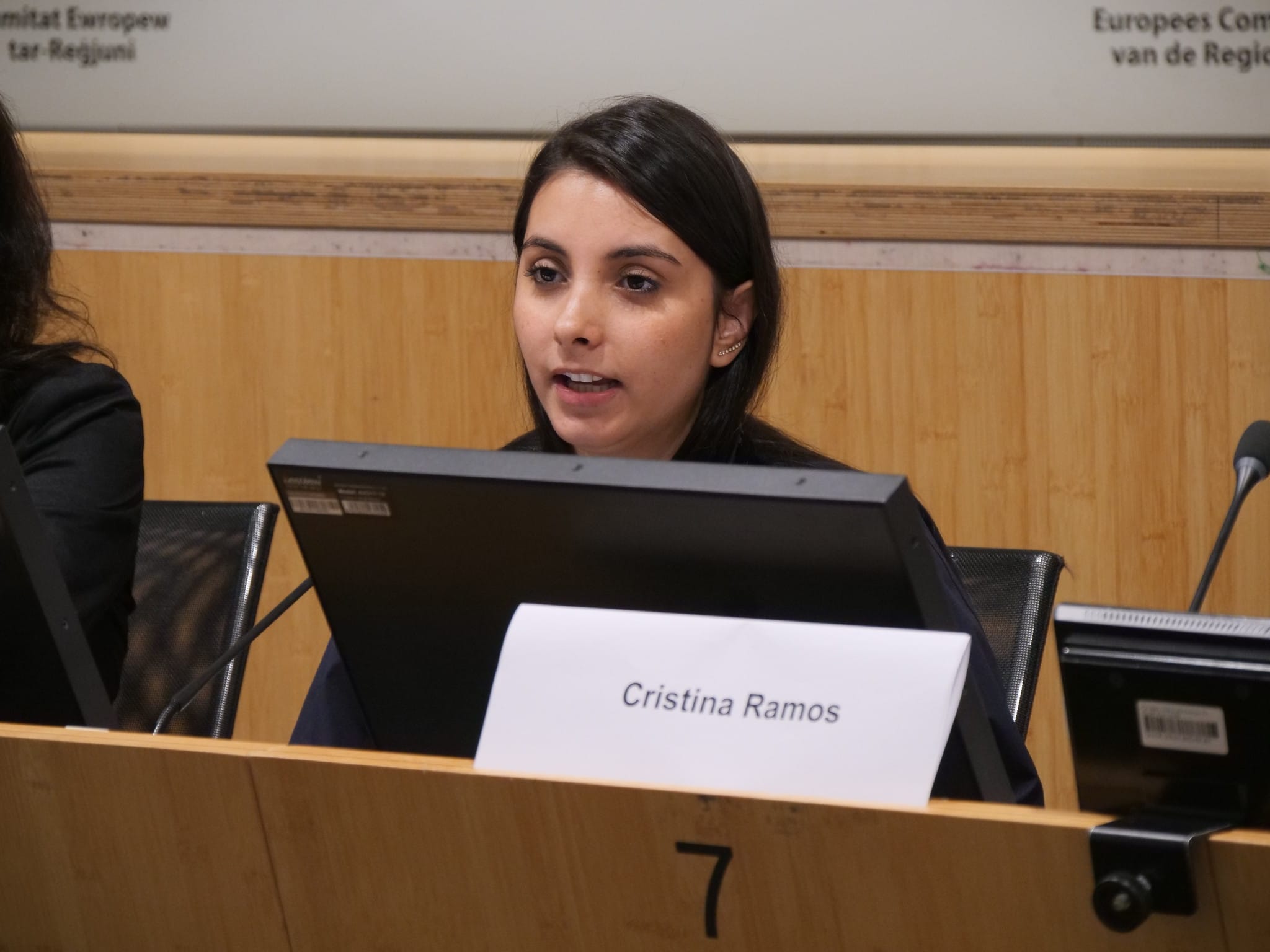
As one of the project participants, Melissa Cardona, explained, “We migrants can do it, and we have done it,” she said, referring to the completion of the training and their entry into the workforce in the renewable energy sector.
Presentation of the policy recommendations
During the conference, the EMPOWERGEN Guidelines were presented to support local and regional governments in achieving an inclusive green transition—in this case, focused on the inclusion of migrants in the renewable energy and construction sectors.
Inclusive Empowergen sets out 10 high-level policy recommendations and a practical roadmap with five steps for local and regional authorities.
Among other things, it proposes:
- Expand funding networks among local, regional, and cross-border actors to overcome the instability of public funding cycles.
- Take the lead in the region in defining curricula and certifications for green jobs.
- Recognize the prior skills and experience of migrant people, develop European standards for qualifications and competencies, and promote blended training, micro-credentials, and relevant EU tools.
- Address people-centered needs (anti-harassment policies, housing assistance, child care, fair wages, diversity training) and place-based needs (the urban-rural divide, renewable energy communities, transportation).
- Address the lack of intra-European mobility among third-country nationals (TCNs) to meet the sector’s cross-border labor needs.


YouTube
ABD presentation. Why do we do what we do?
Instagram
📢 Come to the Europe Day of the LILA project