
Measures were requested to ‘guarantee rights before employment’.
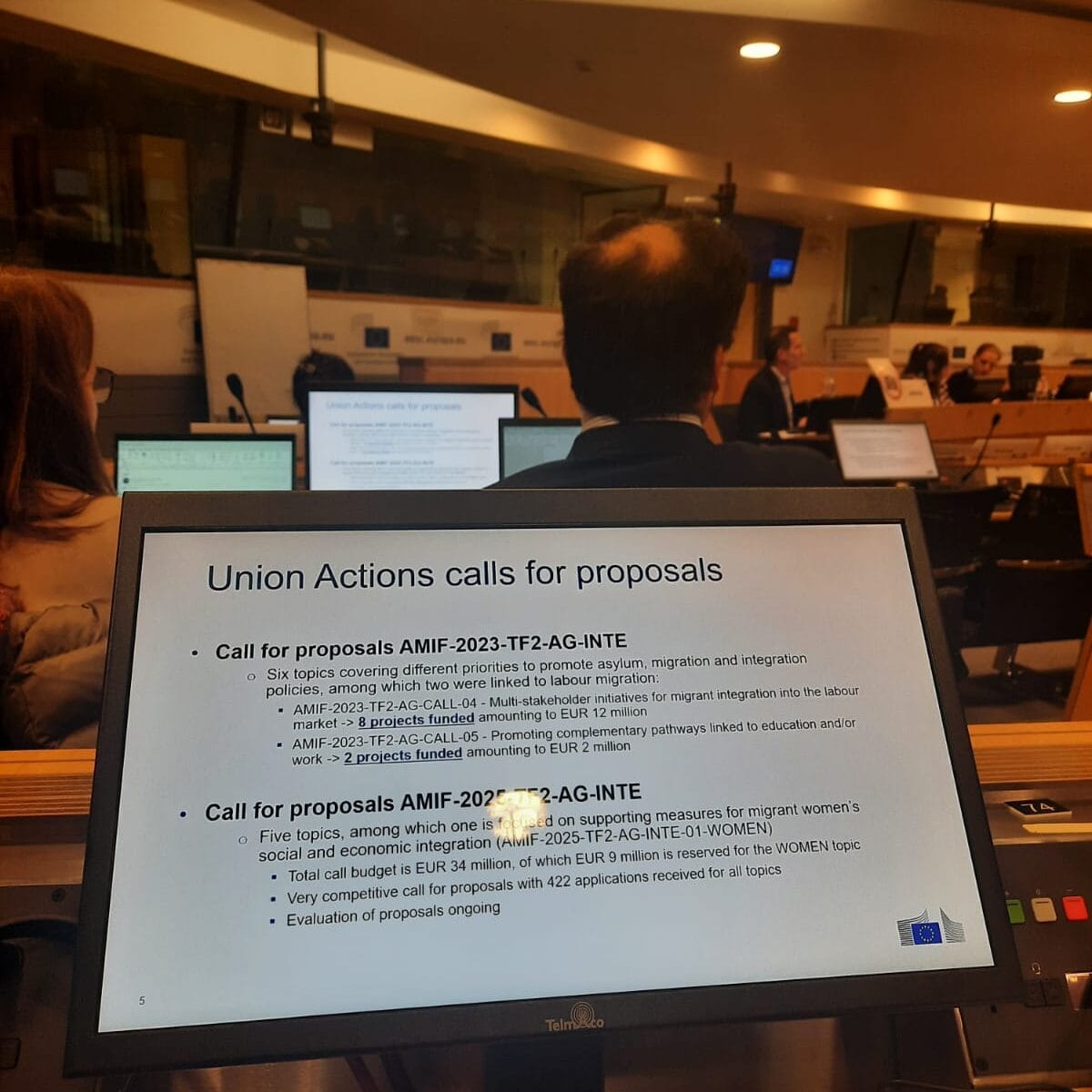
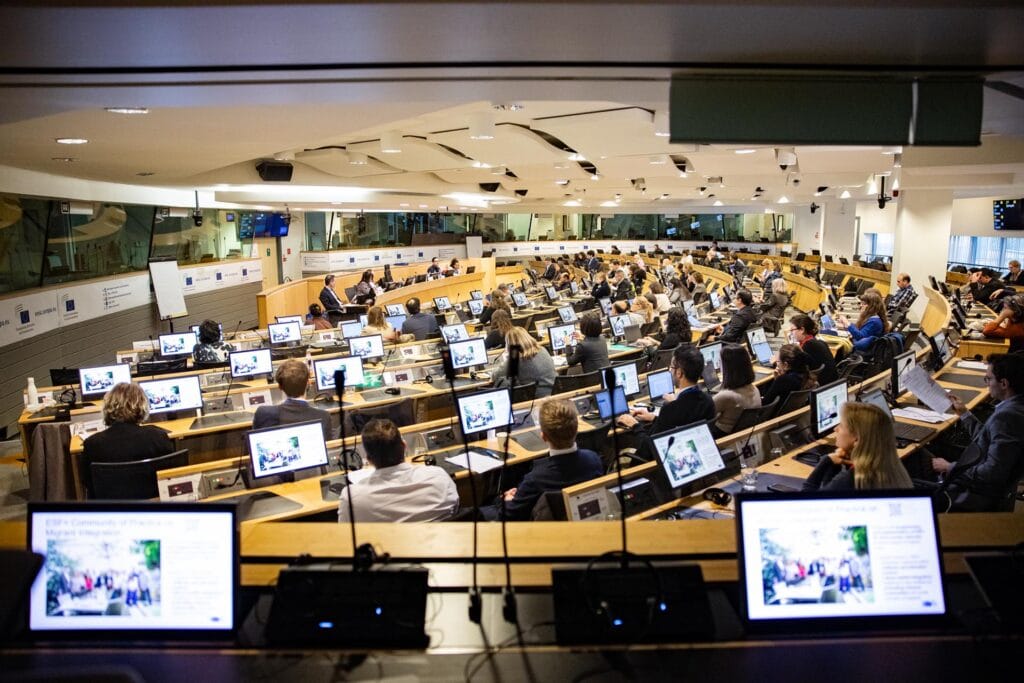
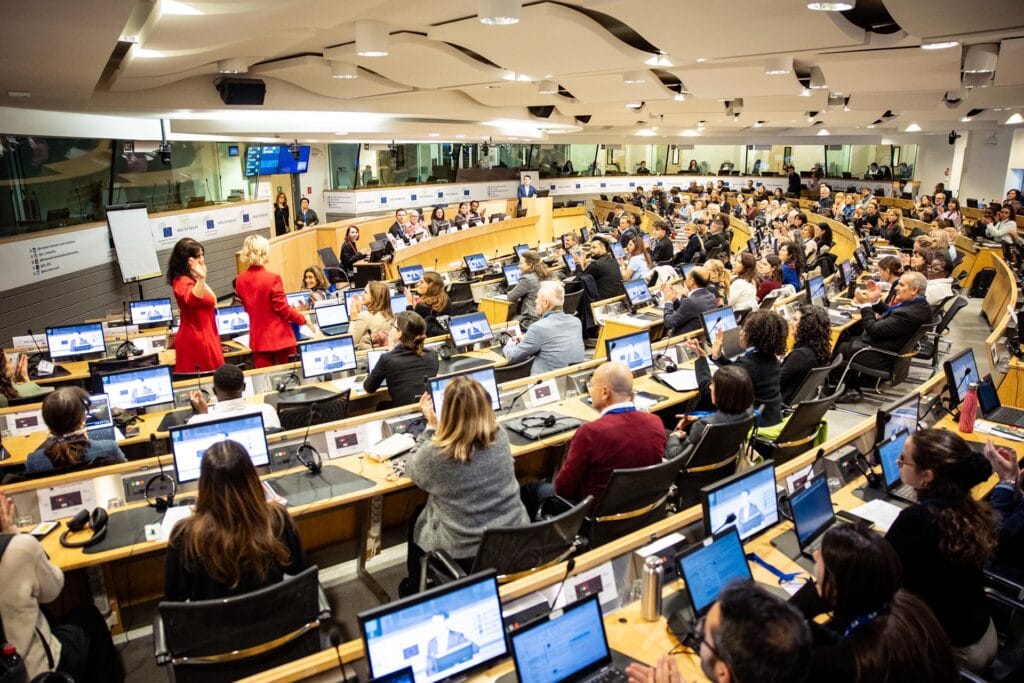
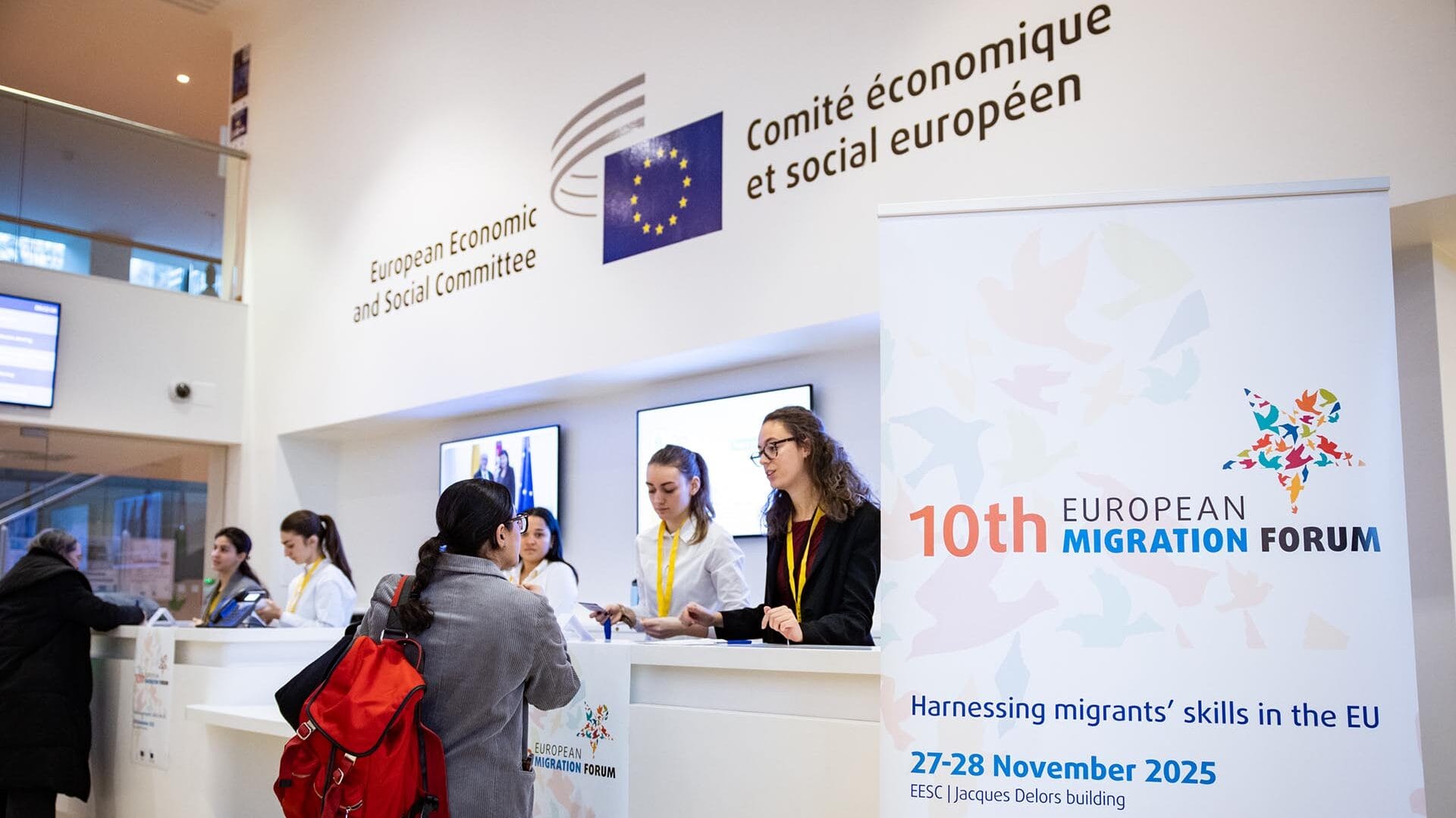
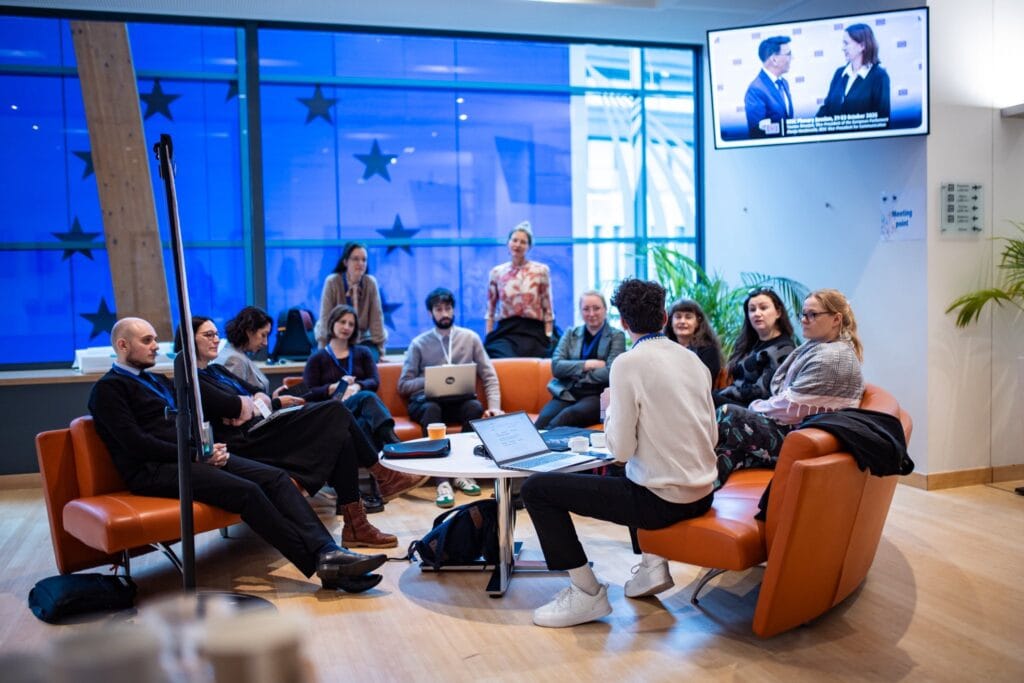
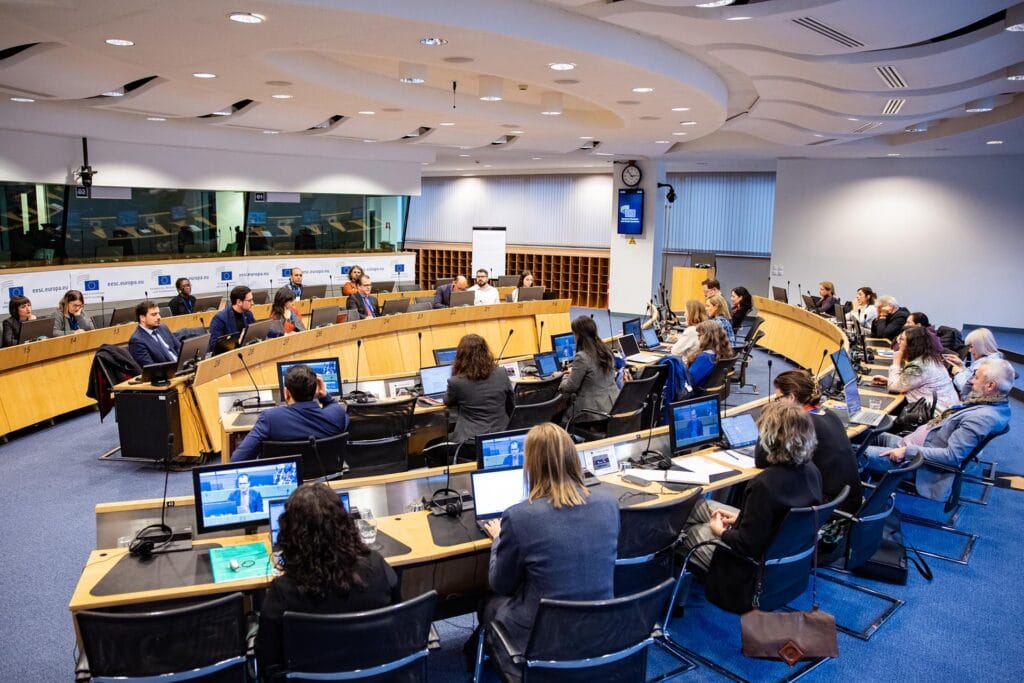
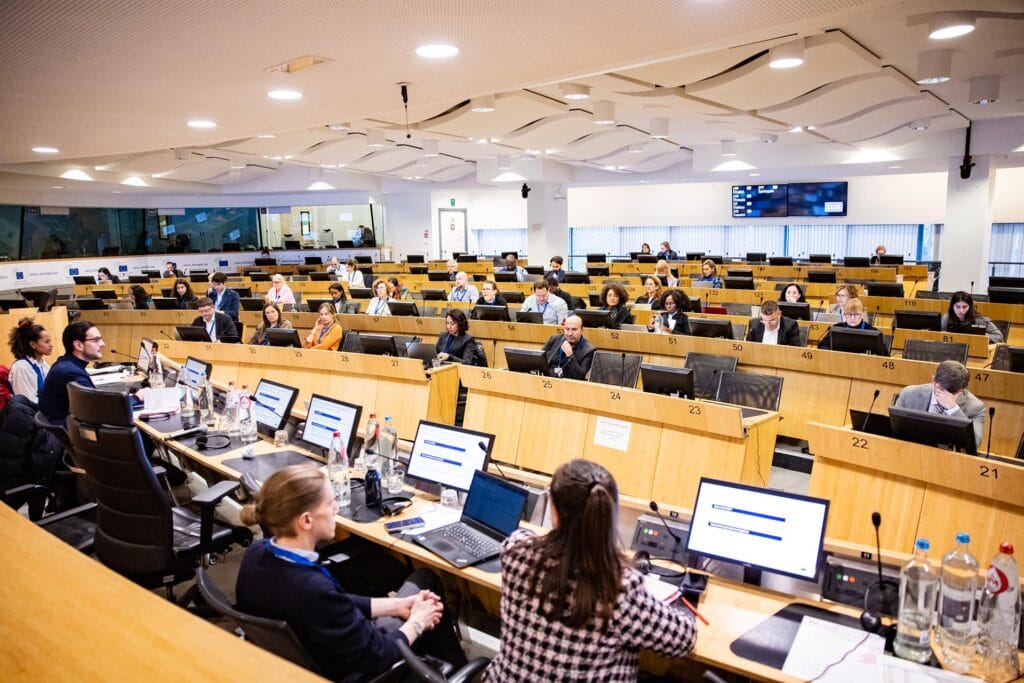
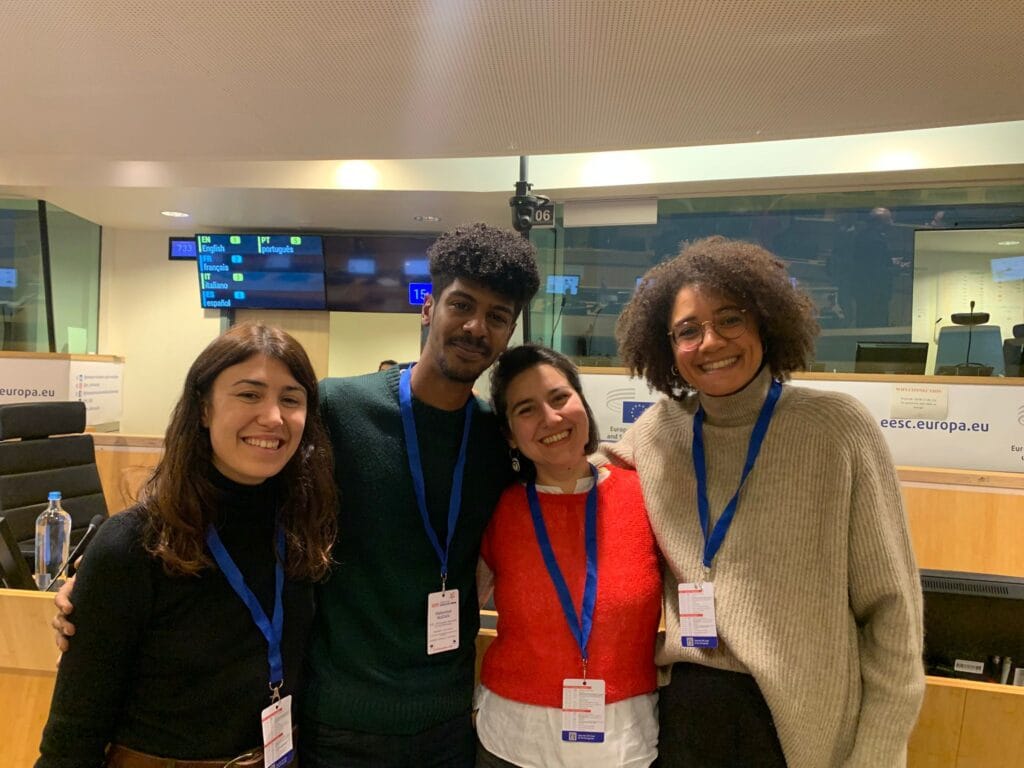
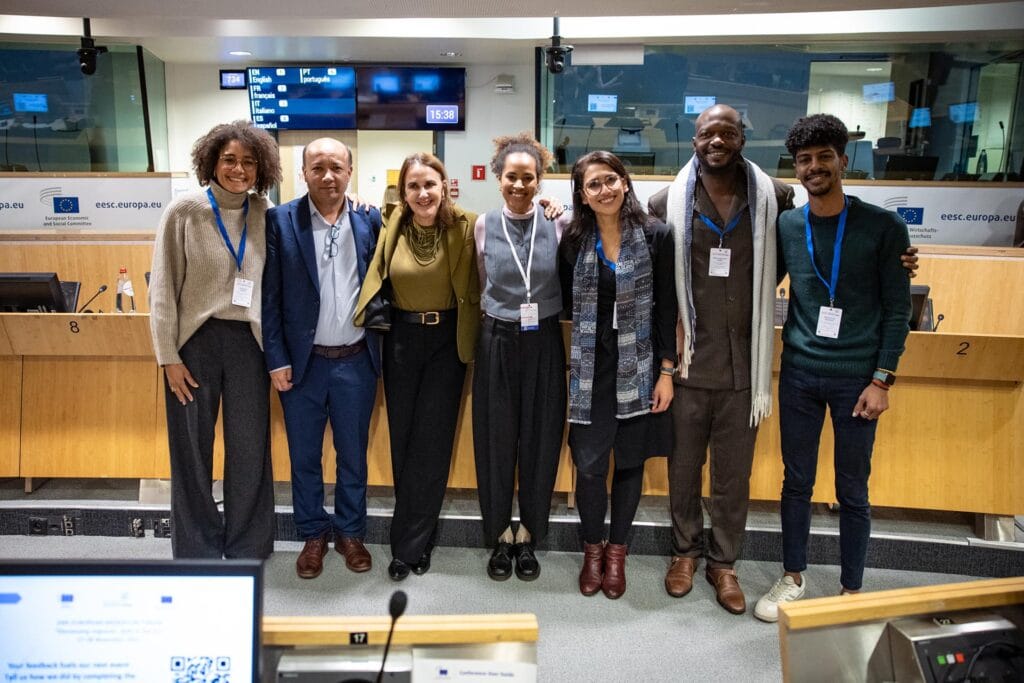
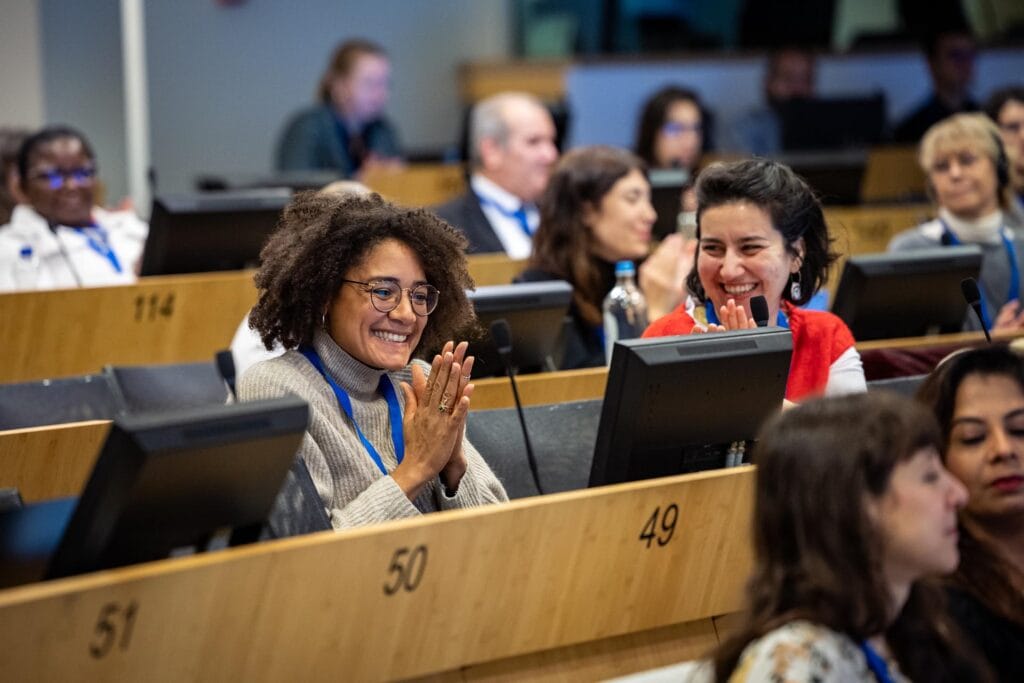
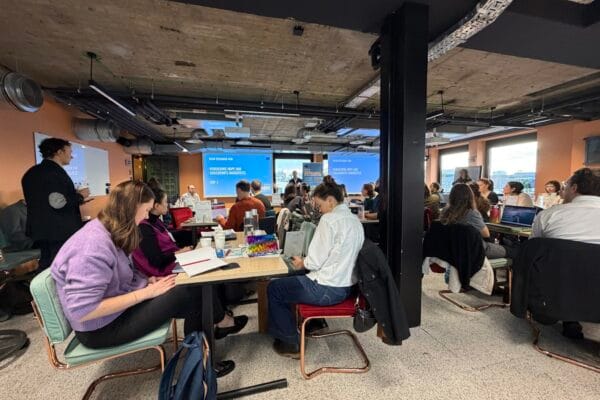
On 27 and 28 November, the ABD Group attended the 10th European Migration Forum in Brussels to discuss how to recognise, value and dignify the experiences and skills of migrants in Europe. ABD participated by contributing its experience in the POWGEN project, one of eight initiatives funded by AMIF funds in 2023 in the area of labour market integration.
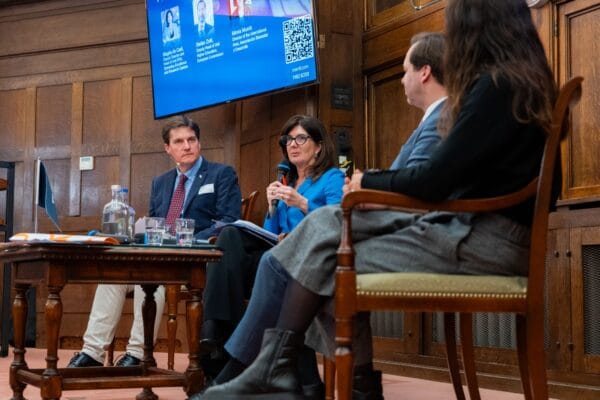
On behalf of the EU, European Commissioner for Migration and Home Affairs Magnus Brunners and President of the European Economic and Social Committee Séamus Boland outlined the European Union’s objectives in relation to migration.
In addition, the Forum featured two thematic conferences. The first, on ‘positive models of integration,’ featured companies such as Hostaway and Ikea, cities such as Rotterdam and Aarhus, the European Trade Union Confederation, and the JOBROAD project. The second dealt with aspects that facilitate migrants’ entry into the labour market, with testimonies from the Canary Islands Government, the NGO Odyssea, Save the Children and the EU-funded programmes Su.Pr.Eme and DUO for a JOB.
Guarantee rights before employment’
During the Forum, round table discussions were organised between the participating organisations to address various topics: European funds for integration into the labour market: lessons learned and the future; protection of migrant workers and combating illegal employment; and combating human trafficking for labour exploitation.
The head of the International Area, Mireia Munté, expressed the organisation’s concerns and proposals regarding access to the labour market. She argued, first and foremost, for the need for a new European approach to ensure ‘dignified, effective and rights-based’ labour market integration.
Munté summarised the organisation’s position in eight points.
- Guarantee rights before employment’
People are not just workers or individuals who need to integrate into the labour market; they have rights that must be guaranteed in order for them to work. Many people are already in Europe but are unable to access the labour market due to administrative barriers imposed by individual states or different administrations, resulting in a lack of access to work permits and situations of extreme vulnerability.
To resolve this, it is proposed to commit to regularisation and access to residence and work permits to prevent irregularity from becoming chronic. Access to documentation would also make it possible to combat exploitation, the underground economy and discrimination.
- Fast and free degree recognition
The organisation denounced the difficulties in recognising higher education qualifications obtained in migrants’ countries of origin. This is a slow, costly and often absurd process that leads many highly educated people to take on precarious jobs that are well below their qualifications. This has a direct impact on people’s health and represents a loss of talent for the European labour market.
In this regard, it was proposed to harmonise recognition criteria among Member States, with unified free procedures and maximum time limits for the evaluation of qualifications, as well as to promote bilateral agreements with countries in the Global South that facilitate the mutual recognition of qualifications, while respecting the autonomy of the education systems of origin.
- Accessible, subsidised training adapted to reality
ABD warned that the precariousness of people’s lives makes it practically impossible to pursue long training programmes without support. For this reason, it called for grants to recognise dedication and effort in training, as well as other measures that take into account situations such as homelessness, having children to care for or not having a family network.
- Reconciliation and support for mothers, single-parent families and victims of gender-based violence
The ABD group highlighted the difficulties faced by many mothers from diverse backgrounds, especially single mothers, in maintaining their administrative status and employment without a support network.
- Ensuring housing in order to be able to work
The lack of access to decent housing, whether due to exorbitant prices (€565 on average for rooms and €1,200 for flats) or racial discrimination in the property market, seriously hinders integration into the labour market. Added to this is the lack of access to appointments and procedures with the authorities (immigration, registration, etc.), which generates an illegal market for buying and selling and complicates the administrative regularisation process for obtaining a residence and work permit.
- Forgotten situations: LGTBIQ+ people, people with HIV and people over 65
During the round table discussion, emphasis was placed on the situation of persons who require special protection:
- Homosexual people and trans women who flee persecution in their countries of origin and end up in substance use circuits due to lack of access to rights.
- People who migrate with HIV and are over 65 years of age who need to work to achieve the minimum number of years of contributions, but find themselves without real opportunities.
- Supporting businesses and employment services
ABD pointed out that many companies are unaware of the procedures and deadlines associated with the regularisation processes that allow them to hire migrants.
In view of this situation, it was recommended to specialise employment services in order to support these processes and ensure respect for workers’ labour rights.
- Better use of European funding
During the forum, it was requested that European funds allocated to employment be designed and implemented with greater flexibility and with a more social and comprehensive approach. The following was proposed:
- Promote more job placement projects and corporate awareness
- Avoiding the risk of a “circular economy” that perpetuates precariousness
Secretariat of the European Migration Forum
The meeting also served to introduce the secretariat of the European Migration Forum, which is responsible for organising the Forum’s work and selecting its new representatives: one person from the European Commission, one person from the EESC and four members from civil society organisations.


YouTube
ABD presentation. Why do we do what we do?
Instagram
📢 Come to the Europe Day of the LILA project